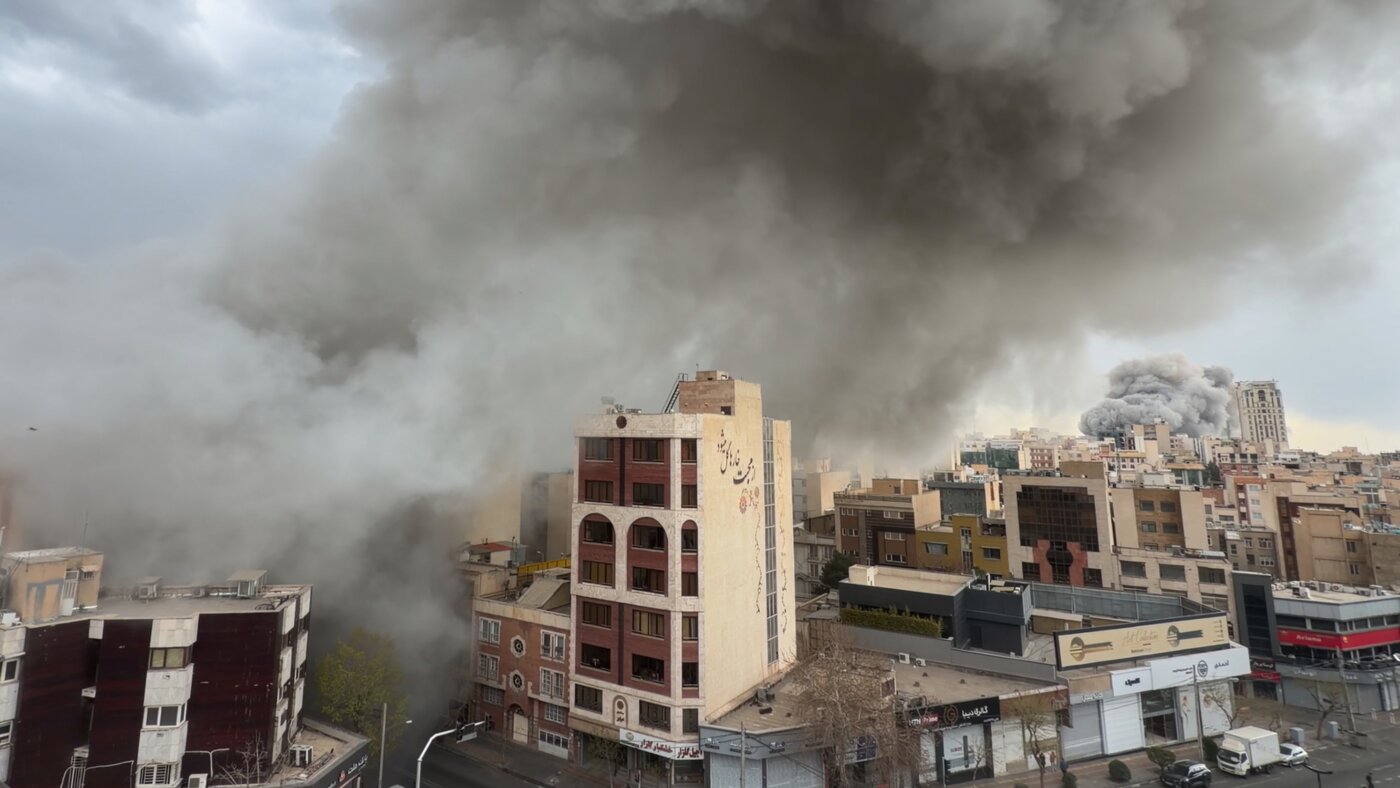
The conflict involving Iran has intensified dramatically across the Middle East, leading to the deaths of six U.S. service members as regional strikes escalated and Iran-aligned factions increased their aggressive actions. Reports from U.S. Central Command (CENTCOM) on Monday confirmed these fatalities, which occurred during initial Iranian retaliatory attacks following a joint U.S.-Israeli military campaign initiated on Saturday. These American casualties, identified as ground-based personnel, were stationed in Kuwait, according to an unnamed U.S. official cited by NPR. The tragic loss of life underscores the rapidly expanding scope and severity of hostilities, which have also claimed hundreds of Iranian lives, including high-ranking officials and numerous civilians, as reported by humanitarian organizations and Iranian authorities. This latest development marks a significant escalation in a conflict that President Trump has indicated could persist for several weeks, if not longer, highlighting the volatile nature of the current geopolitical landscape and raising urgent concerns about regional stability. The increasing tempo of military engagements and the rising human toll on both sides signal a critical phase in the ongoing confrontation, demanding close international scrutiny.
The current surge in hostilities, designated "Operation Epic Fury," began with a joint U.S.-Israeli military campaign launched on Saturday, targeting various locations within Iran. This offensive prompted immediate and forceful retaliation from Tehran, leading directly to the engagement that resulted in the American fatalities. The broader context of this conflict involves a complex web of regional rivalries and proxy engagements, with numerous Iran-backed groups actively participating in attacks across the Middle East, further destabilizing an already volatile region. The involvement of these non-state actors complicates efforts to contain the conflict and raises the specter of a wider conflagration. President Trump has publicly stated his administration's expectation for the conflict to continue for "four to five weeks," while also emphasizing the United States' "capability to go far longer than that," signaling a readiness for a protracted engagement. This declaration sets a somber tone for the coming weeks, suggesting that a swift resolution is unlikely and that the region should brace for sustained military activity and its profound humanitarian consequences. The strategic implications of such an extended conflict for global energy markets and international diplomacy remain a significant concern.
Further details emerging from the conflict highlight the significant human cost and operational challenges. CENTCOM confirmed that the six U.S. service members who perished were killed during Iran's initial counter-attacks on Saturday. While their identities are currently being withheld, pending notification to their families, officials indicated they were ground-based forces operating in Kuwait. General Dan Caine, Chairman of the Joint Chiefs of Staff, acknowledged the grim reality of ongoing combat, stating on Monday that the U.S. anticipates "additional losses" but remains committed to "minimize losses" wherever possible. In a separate, equally concerning incident, three U.S. F-15E fighter jets crashed in Kuwait on Sunday night. CENTCOM attributed these crashes to an "apparent friendly fire incident," explaining that during intense combat — which included assaults from Iranian aircraft, ballistic missiles, and drones — the American fighter jets were mistakenly targeted and shot down by Kuwaiti air defense systems. On the Iranian side, the humanitarian organization Iranian Red Crescent Society reported a staggering toll of at least 555 Iranians killed since the joint military campaign began on Saturday. This figure tragically includes Iran's Supreme Leader, Ayatollah Ali Khamenei, and members of his immediate family, a development with profound implications for Iran's future leadership. Additionally, Iranian officials disclosed that over 168 schoolgirls were among the casualties, killed in a direct strike on a school, underscoring the devastating impact on civilian populations.
The reported death of Supreme Leader Ayatollah Ali Khamenei, if confirmed by independent sources, represents an seismic shift in Iranian politics and could trigger an unprecedented power vacuum, potentially leading to internal instability or a more aggressive stance from hardline factions seeking to consolidate power. This event alone carries immense implications for the trajectory of the conflict and the future of the Islamic Republic. The "friendly fire" incident involving U.S. F-15E fighter jets in Kuwait further underscores the inherent chaos and extreme risks associated with high-intensity combat operations, particularly in a multi-faceted battlespace involving various air defense systems and enemy threats. Such incidents, even if accidental, can strain alliances and complicate operational coordination in a rapidly evolving conflict zone. The substantial civilian casualties reported by the Iranian Red Crescent Society and Iranian officials, including a large number of schoolgirls, are likely to inflame public sentiment within Iran and across the broader Muslim world, potentially galvanizing further support for retaliatory actions against U.S. and Israeli forces. This tragic loss of innocent lives adds a severe humanitarian dimension to the military confrontation, making any path to de-escalation significantly more challenging. President Trump's projection of a "four to five weeks" conflict, coupled with the readiness for a "far longer" engagement, suggests a calculated but uncertain strategy, indicating that the U.S. is prepared for a prolonged period of instability and military commitment in the Middle East.
In summary, the Middle East finds itself at a critical juncture, with the conflict involving Iran rapidly escalating and exacting a heavy toll on both military personnel and civilians. The confirmed deaths of six U.S. service members and hundreds of Iranians, including the Supreme Leader and numerous schoolgirls, highlight the severe human cost of the intensifying hostilities. The "friendly fire" incident involving U.S. jets further illustrates the complex and dangerous operational environment. As the region grapples with these profound developments, the immediate future remains highly uncertain. International observers will be closely watching for any signs of de-escalation, further retaliatory actions, or shifts in leadership within Iran. The potential for the conflict to expand beyond its current scope, drawing in more regional and international actors, remains a significant concern, making the coming days and weeks crucial for determining the trajectory of this volatile confrontation.