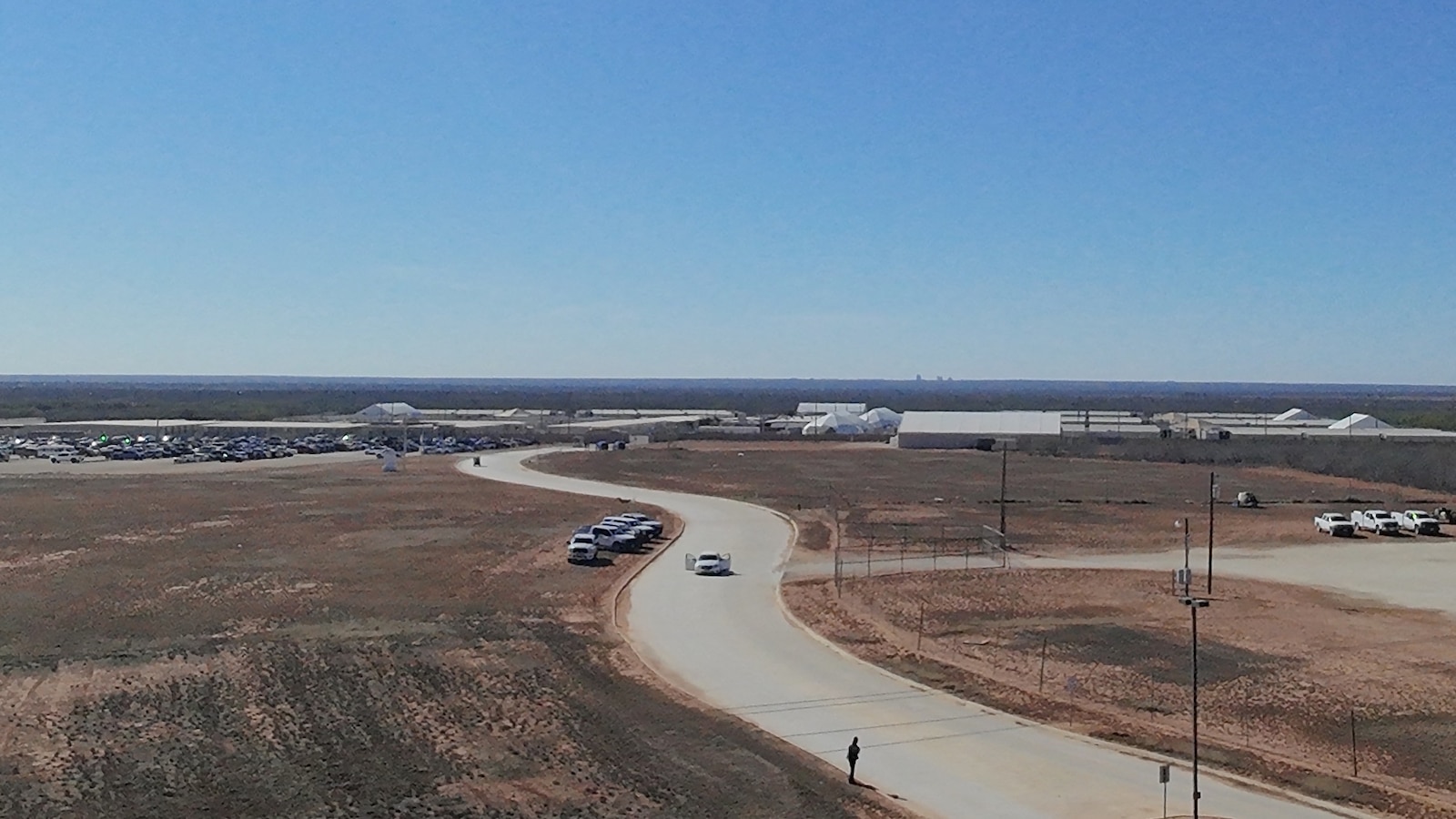
Recent emergency calls originating from the South Texas Family Residential Center, a prominent Immigration and Customs Enforcement (ICE) facility in Dilley, Texas, have brought to light a series of critical medical situations involving vulnerable detainees. These calls, spanning from October 2025 through February 2026 and obtained by ABC News, document medical personnel at the sprawling Frio County center requesting urgent ambulance services for migrant individuals, including pregnant women and young children, experiencing severe health crises. Incidents detailed in the audio recordings include requests for assistance with seizures, fainting spells, and significant respiratory distress among residents. Advocacy groups, medical experts, and legislative figures have consistently voiced apprehension regarding the conditions within the facility, asserting that these newly revealed emergency dispatches underscore their long-standing concerns about the welfare and medical care provided to those held in detention. The frequency and nature of these urgent requests paint a troubling picture of the health challenges faced by families within the center.
The South Texas Family Residential Center, situated in Dilley, represents one of the largest family detention facilities operated under the purview of U.S. immigration authorities. Its establishment and continued operation have been subjects of intense debate and scrutiny for years, particularly concerning the suitability of detaining families, and especially young children, in such environments. Historically, immigrant advocates and human rights organizations have consistently challenged the practice of family detention, citing potential psychological trauma and inadequate access to healthcare as primary concerns. The facility's role in the broader immigration enforcement strategy has positioned it at the center of discussions about border policies and the treatment of asylum seekers. These recent emergency dispatches serve to reignite and intensify these ongoing conversations, providing concrete examples that critics argue validate their long-held fears about the inherent risks associated with housing vulnerable populations in a detention setting, regardless of the stated intentions for their care.
Specific instances documented in the emergency call logs highlight the acute nature of the medical emergencies reported from the Dilley facility. In one notable call from January, a staff member sought immediate medical aid for a 17-month-old child exhibiting severe respiratory distress. Further records indicate calls for a 6-year-old boy suffering from profound lethargy and a high fever, a 14-month-old also experiencing respiratory difficulties, and a 22-month-old presenting with a fever alongside critically low oxygen levels. These detailed accounts, made by medical staff within the center to Frio County dispatchers, consistently emphasized the urgent need for external ambulance services. Adding to these concerns, reports indicate that a couple previously interviewed by ABC News described their 1-year-old daughter contracting both COVID-19 and Respiratory Syncytial Virus (RSV) during their two-month stay at the facility, further illustrating the health risks faced by young detainees and the potential for infectious disease transmission within the crowded environment.
The pattern of emergency calls emerging from the South Texas Family Residential Center carries significant implications for the ongoing discourse surrounding migrant detention and the standards of care within such facilities. Experts in public health and immigration law suggest that the documented medical emergencies, particularly those involving infants and young children, point to systemic issues that may extend beyond isolated incidents. The consistent need for external emergency services for conditions like respiratory distress and high fevers in young detainees raises questions about the adequacy of on-site medical resources, preventative health measures, and environmental factors within the facility. Advocacy groups contend that these incidents underscore the inherent vulnerability of detained families and argue for alternative, community-based solutions that prioritize health and well-being over detention. Lawmakers and medical professionals who have previously voiced concerns are likely to leverage these new details to push for increased oversight, independent investigations, and potentially, policy reforms aimed at safeguarding the health of all individuals in immigration custody, especially the most susceptible.
In conclusion, the recently obtained emergency 911 calls from the South Texas Family Residential Center offer a stark glimpse into the critical health challenges confronting migrant families and children held in detention. These reports of seizures, respiratory distress, and high fevers among young detainees, alongside documented cases of infectious diseases, reinforce the persistent concerns raised by immigrant advocates, medical professionals, and lawmakers regarding the conditions and medical provisions at the facility. As the debate over immigration policy and the treatment of detainees continues, these specific incidents are expected to intensify calls for greater transparency, accountability, and a reevaluation of the practice of family detention. Observers will be closely watching for responses from ICE and government officials, as well as potential legislative actions or further investigations into the welfare of individuals housed within these centers.