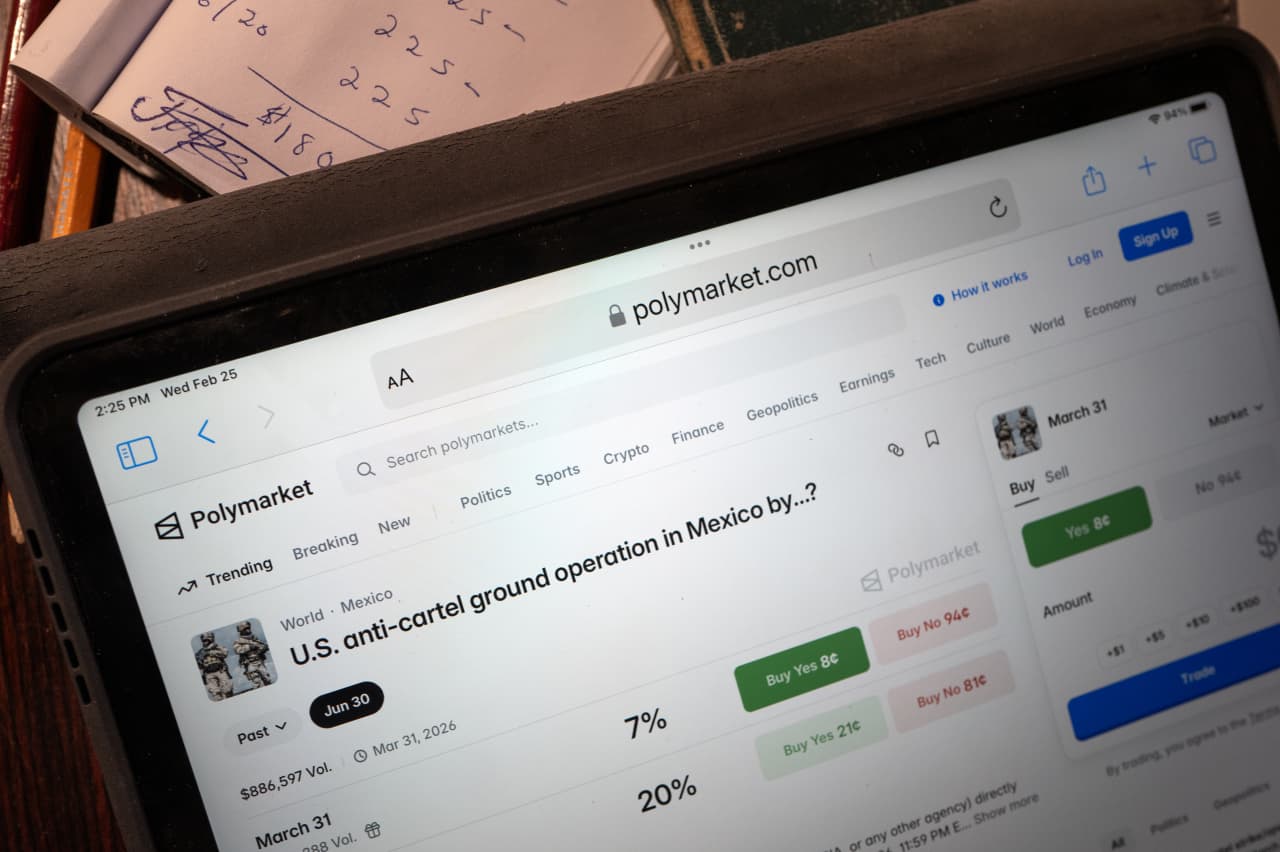
The burgeoning world of prediction markets, including prominent platforms like Polymarket and Kalshi, has recently been engulfed in a significant controversy, with reports indicating a surge of criticism over the past weekend. At the heart of this dispute are serious allegations of insider trading, specifically tied to bets placed on a particularly sensitive market concerning the ongoing Iran conflict. This situation has reportedly ignited a "firestorm of criticism" directed at how these platforms operate and manage markets related to volatile geopolitical events. Sources familiar with the matter suggest that the integrity of these decentralized betting systems is now under intense scrutiny, as questions arise about the fairness and transparency of trading activities when sensitive, non-public information might be involved. The emergence of these claims underscores a growing tension between the innovative nature of prediction markets and the ethical complexities of profiting from global instability, particularly when the outcomes could be influenced by privileged knowledge. The incident highlights a critical juncture for the industry, prompting a reevaluation of safeguards against market manipulation and the potential for regulatory oversight.
Prediction markets function as platforms where users can wager on the future outcomes of various events, ranging from political elections and economic indicators to scientific breakthroughs and, controversially, geopolitical developments. Platforms such as Polymarket and Kalshi have gained considerable traction by offering a unique blend of entertainment and potential insight, allowing participants to "bet" on the likelihood of specific events occurring. The underlying premise is that the collective wisdom of market participants can often provide a more accurate forecast than traditional polling or expert analysis. However, the very nature of these markets, particularly those dealing with highly sensitive international affairs like the Iran conflict, introduces significant ethical and regulatory challenges. The potential for individuals with privileged access to information to exploit these markets for financial gain has long been a concern, raising questions about market integrity and the moral implications of profiting from human suffering or political instability. This weekend's events have brought these latent concerns to the forefront, forcing a public reckoning with the inherent risks associated with unregulated or lightly regulated betting on real-world events.
The specific allegations emerging over the weekend center on suspicious trading patterns observed in markets related to the Iran conflict, according to various reports. While precise details regarding the alleged insider trading activities remain under investigation and have not been fully disclosed, the core concern revolves around individuals potentially leveraging non-public information to place advantageous bets on the outcomes of events directly influenced by the conflict. This could involve knowledge of impending policy decisions, military actions, or diplomatic maneuvers that are not yet public. Furthermore, a significant part of the controversy stems from the handling of this "particularly sensitive market" by the platforms themselves. Critics, as indicated by the "firestorm of criticism," are reportedly questioning the adequacy of the platforms' internal controls, their responsiveness to unusual trading activity, and their overall policies regarding markets that touch upon matters of national security and international relations. The lack of clear regulatory frameworks for these nascent markets further complicates the situation, leaving platforms to largely self-regulate in an environment ripe for ethical dilemmas and potential abuse.
Analysts and industry observers suggest that these allegations could have profound implications for the future of prediction markets. The credibility of these platforms, which often tout their ability to aggregate information and provide accurate forecasts, hinges entirely on the perception of fair play and market integrity. Should insider trading be substantiated, it would severely undermine public trust and potentially invite more stringent regulatory scrutiny from authorities worldwide. Experts point out the inherent difficulty in policing insider trading in decentralized or globally accessible markets, where participants can operate with a degree of anonymity across various jurisdictions. Moreover, the ethical dimension of allowing bets on events with significant human cost, such as military conflicts, is increasingly being debated. Critics argue that such markets can incentivize speculation on human suffering and may even create perverse incentives, while proponents maintain they are merely reflecting existing information and providing a valuable forecasting tool. The current controversy forces a critical examination of this balance, pushing platforms to consider more robust mechanisms for identifying and preventing illicit activities, or face a significant backlash.
In conclusion, the recent allegations of insider trading and the controversy surrounding the handling of sensitive markets tied to the Iran conflict represent a critical challenge for prediction market platforms like Polymarket and Kalshi. The "firestorm of criticism" underscores a growing demand for greater transparency, accountability, and ethical governance within this rapidly evolving industry. While prediction markets offer innovative avenues for information aggregation and forecasting, their expansion into highly sensitive geopolitical domains necessitates robust safeguards against manipulation and exploitation. The coming weeks will likely see increased pressure on these platforms to address the allegations, enhance their integrity measures, and potentially engage with regulators to establish clearer guidelines. The outcome of this controversy will undoubtedly shape public perception and regulatory attitudes towards prediction markets, determining whether they can mature into legitimate forecasting tools or remain mired in ethical and legal ambiguities.