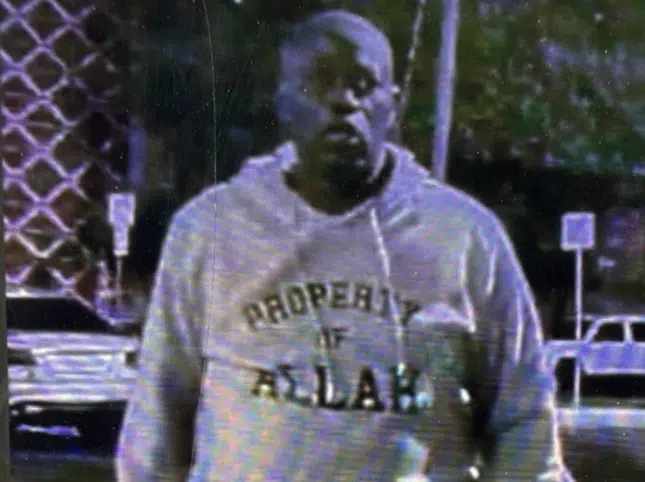
In the early hours of March 2, 2026, a horrific mass shooting erupted at Buford’s bar on Austin’s bustling Sixth Street, claiming the lives of three individuals and critically wounding thirteen others. The assailant, identified as 53-year-old Ndiaga Diagne, a naturalized U.S. citizen originally from Senegal, opened fire on innocent patrons just before the establishment's closing time. However, what could have escalated into an even greater tragedy was swiftly averted by the rapid intervention of three Austin Police Department officers. Reports indicate these officers arrived on the scene within a mere 57 seconds, neutralizing the threat by fatally shooting Diagne and, according to various officials, saving countless lives. Despite widespread commendation from figures including Austin’s mayor and Governor Greg Abbott, who hailed them as "heroes," these officers unexpectedly found themselves facing potential criminal scrutiny. This unusual turn of events stems from Travis County District Attorney José Garza, a prosecutor described as "Soros-backed" and progressive, who invoked a 2021 policy mandating a grand jury review for every officer-involved shooting, a decision that has sparked considerable public outrage.
The tragic incident unfolded in one of Austin's most vibrant entertainment districts, transforming a routine night out into a scene of terror. The victims of the attack included 30-year-old amateur MMA fighter Jorge Pederson, 21-year-old University of Texas student Savitha Shan, and 19-year-old Texas Tech fraternity member Ryder Harrington, whose lives were tragically cut short. Beyond the immediate devastation, details emerging about the perpetrator, Ndiaga Diagne, suggested a deeply disturbing motive. Sources indicate Diagne was found wearing a shirt emblazoned with "Property of Allah" and an Iranian flag underneath, with a Quran discovered in his vehicle. Furthermore, investigators uncovered social media posts attributed to Diagne, reportedly praising Iran's destruction of Israel, alongside a manifesto. This document, according to reports, explicitly linked his actions to a desire for revenge following recent U.S. military strikes against Iran. Consequently, the Federal Bureau of Investigation (FBI) has launched an inquiry into the incident, treating it as a potential act of Islamist terrorism, underscoring the grave implications of the attack beyond local crime.
The swift and decisive action by the three Austin Police Department officers has been widely lauded by public safety officials and political leaders alike. Austin’s mayor publicly recognized their courage, while Governor Greg Abbott specifically praised them as "heroes who saved lives," sentiments echoed by the Central Texas Public Safety Commission. Their intervention, occurring less than a minute after the initial shots, is credited with preventing a far greater loss of life in the crowded bar. However, this heroism was quickly overshadowed by the decision of Travis County District Attorney José Garza. Officials stated that Garza, a prosecutor whose campaign received significant backing from financier George Soros, initiated a 2021 policy requiring all officer-involved shootings to be presented to a grand jury. This policy, reportedly developed in collaboration with the left-leaning Wren Collective, grants Garza’s office considerable control over the evidence presented to the grand jury. Furthermore, Texas grand jury proceedings are conducted in secrecy, with no legal obligation to disclose information that might exonerate the officers. Despite the clear justification for their actions in stopping a massacre, the officers, represented by attorney Doug O’Connell through the Austin Police Association, were compelled to navigate this process, a move that immediately ignited widespread public outcry.
The decision by District Attorney José Garza to subject the Austin police officers to a grand jury review, despite their widely acknowledged role in preventing further bloodshed, has ignited a fervent debate about prosecutorial discretion and public safety. Critics argue that applying such a rigid policy to an incident where officers demonstrably saved lives could have a chilling effect on law enforcement's willingness to act decisively in future critical situations. The policy, crafted with the Wren Collective, and its inherent secrecy regarding exculpatory evidence, raises questions about fairness and transparency, particularly when officers are acting under extreme duress to protect the public. This scenario highlights a growing tension between progressive prosecutorial reforms, which often seek increased accountability for police, and the practical realities faced by first responders in high-stakes, life-or-death encounters. Observers suggest that while police accountability is crucial, applying a blanket policy without immediate recognition of justified force in a clear act of terrorism could undermine public trust in the justice system and demoralize officers who risk their lives. The outrage following Garza's initial adherence to the policy underscores a significant public expectation that heroism, especially in preventing mass casualties, should be met with commendation, not immediate criminal investigation.
The aftermath of the Austin Sixth Street shooting presents a complex narrative, juxtaposing heroic police action against a controversial legal process. While the community and state leaders celebrated the officers for their swift intervention that curtailed a potential massacre, the subsequent grand jury review initiated by District Attorney Garza has become a focal point of contention. This situation encapsulates a broader national discussion regarding the balance between police accountability and the imperative for law enforcement to act decisively in the face of imminent danger. As the legal proceedings unfold, the implications for officer morale, future police responses to active threats, and the interpretation of prosecutorial policies in critical incidents will undoubtedly remain under intense scrutiny. The public will continue to monitor how this case, rooted in an act of terror, ultimately shapes the relationship between law enforcement, the judiciary, and the communities they serve.