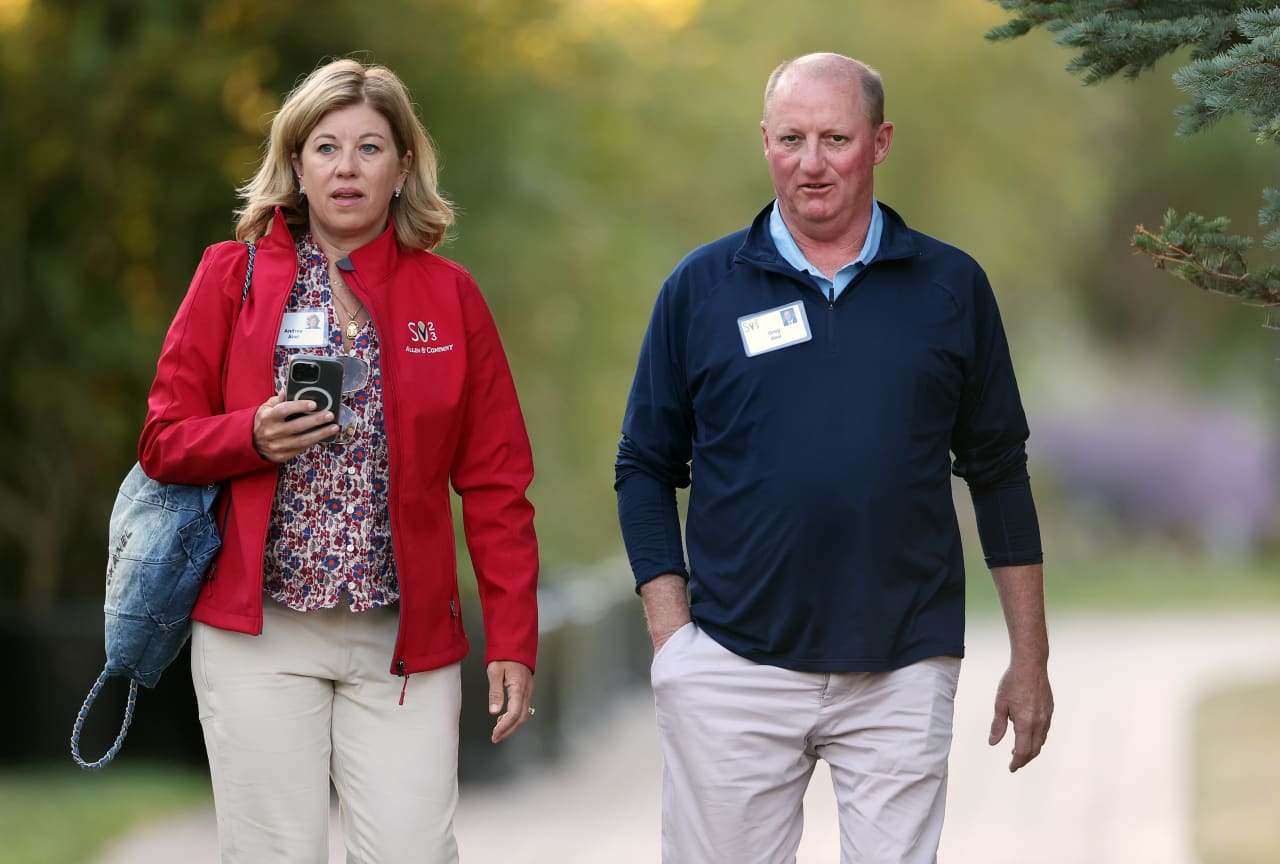
Berkshire Hathaway, the prominent multinational conglomerate, has initiated a program of repurchasing its own shares this week, a move confirmed by the company's chief executive, Greg Abel. According to recent reports, this corporate action signals a strategic decision by the Omaha-based firm regarding its capital allocation. Adding a significant layer of personal commitment to the company's financial strategy, Mr. Abel himself has reportedly committed the entirety of his take-home compensation to acquiring Berkshire Hathaway stock during the same period. This dual action—a corporate buyback alongside a substantial personal investment from the top executive—is a notable development in the financial markets, often interpreted as a strong indicator of leadership confidence in the company's intrinsic value and future prospects. The timing of these simultaneous transactions, occurring within the current week, places them firmly in the immediate focus of investors and market observers keen to understand the underlying rationale and potential implications for one of the world's largest and most closely watched companies.
Stock buybacks, or share repurchase programs, are a common corporate finance strategy where a company buys back its own outstanding shares from the open market. Companies typically engage in buybacks for several reasons, including returning capital to shareholders, reducing the number of outstanding shares to boost earnings per share (EPS), or signaling to the market that management believes the stock is undervalued. Such programs can enhance shareholder value by increasing the ownership stake of remaining shareholders and potentially driving up the stock price. Concurrently, an executive's personal investment in their company's stock, especially one as significant as committing all take-home pay, is widely regarded as a powerful vote of confidence. This action aligns the executive's personal financial interests directly with those of the shareholders, fostering a perception of shared destiny and strong belief in the company's long-term performance. These types of moves are often scrutinized by investors looking for signals about a company's health and future direction, particularly from a firm with the stature and influence of Berkshire Hathaway.
The decision by CEO Greg Abel to invest all of his take-home pay into Berkshire Hathaway shares underscores a profound level of conviction in the conglomerate's financial stability and growth trajectory. This personal financial commitment from a top executive is not merely symbolic; it represents a tangible alignment of interests between leadership and shareholders, suggesting that Mr. Abel perceives the company's current valuation as attractive. While the specific amount of his take-home pay was not disclosed in reports, the declaration that it constitutes his entire net compensation highlights the magnitude of his personal belief in the company's future. This executive action complements the broader corporate strategy of initiating share repurchases, reinforcing the message of confidence emanating from the highest levels of the organization. The simultaneous nature of these events—the company's buyback program commencing this week and the CEO's personal stock acquisition—presents a unified front to the market, emphasizing a concerted effort to enhance shareholder value and demonstrate faith in the enterprise.
Market analysts and financial commentators typically interpret a combination of corporate stock buybacks and significant insider buying, particularly from a CEO, as a robust signal of undervaluation or strong future performance expectations. When a company repurchases its shares, it often suggests that management believes the stock is trading below its intrinsic value, making it an opportune time to invest in itself. This belief is amplified when the chief executive personally commits substantial capital, such as all of their take-home pay, to acquire shares. Such actions can often lead to positive investor sentiment, as they imply that those with the most intimate knowledge of the company's operations and prospects are putting their money where their mouth is. While specific market reactions to Berkshire Hathaway's latest moves will unfold, the general principle holds that these types of strategic financial decisions by both the corporation and its top leadership are closely watched for insights into a company's internal outlook and potential trajectory in the broader market.
In summary, Berkshire Hathaway has embarked on a share repurchase initiative this week, a strategic financial maneuver aimed at optimizing capital and potentially enhancing shareholder value. This corporate action is notably bolstered by the personal commitment of CEO Greg Abel, who has reportedly invested all of his take-home pay into acquiring company stock during the same period. These concurrent actions, a corporate buyback and a significant personal investment from the chief executive, collectively send a powerful message of confidence to the market regarding the company's perceived value and future prospects. Investors will likely monitor subsequent financial disclosures and market performance to gauge the full impact of these decisions, as such moves from a company of Berkshire Hathaway's stature often carry significant weight across the financial landscape.