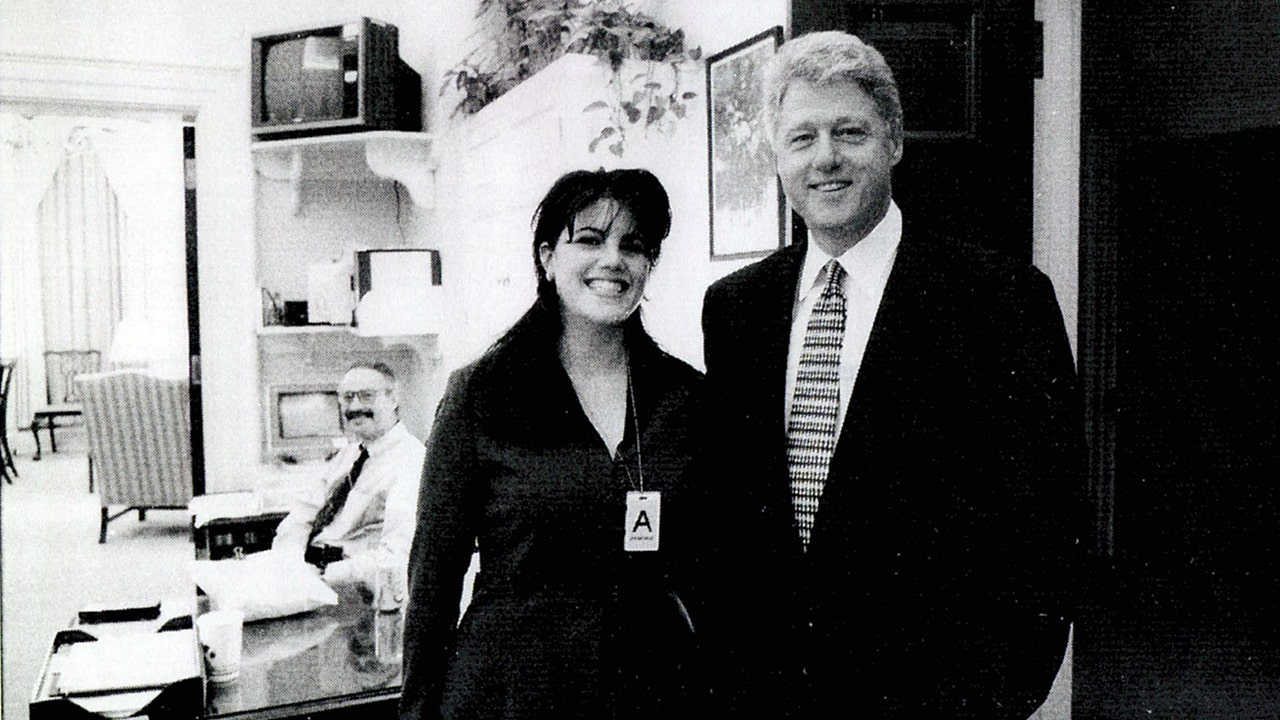
Former President Bill Clinton is once again at the center of national attention, facing renewed scrutiny over his past associations with the late financier Jeffrey Epstein, who was incarcerated on charges of sex trafficking minors before his death in 2019. Lawmakers recently questioned Clinton regarding these connections, a development that, according to reports, has brought his truthfulness and character back into the public spotlight. While officials have clarified that Clinton has not been implicated in any wrongdoing related to Epstein's criminal activities, this latest inquiry serves as a fresh entry in a long history of controversies that have shadowed his career. The questioning on Friday, as indicated by sources, underscores persistent questions that have followed the former president for nearly three decades, focusing on allegations of sexual improprieties that he has consistently and vigorously denied. This ongoing narrative continues to challenge perceptions of his public image and personal conduct.
The current focus on Clinton's ties to Epstein is not an isolated incident but rather the latest chapter in a series of allegations that have punctuated his public life since the late 1990s. These claims, often involving sexual misconduct, have repeatedly drawn national attention to his character and ethical standing, creating a recurring pattern of scrutiny that has tested his credibility over the years. The controversies, which span almost 30 years, have become a significant part of the public discourse surrounding the former president, shaping how his legacy is perceived. Each new allegation or renewed inquiry, such as the recent questioning by House Republicans concerning the Epstein probe in what reports describe as the Clintons' hometown, tends to revive the broader historical context of these long-standing issues, making it challenging for the former president to fully move past the shadow of these past events.
Among the most prominent allegations that have surfaced over the decades are those made by Juanita Broaddrick and Kathleen Willey. Broaddrick, in 1998, accused Clinton of raping her in 1978, during his campaign for governor of Arkansas. She later described, in a 2018 interview with Fox News, what she believed were attempts by the Clintons to prevent her from speaking publicly about the incident. Broaddrick recounted a specific encounter with Hillary Clinton at a fundraiser, where, according to her account, Hillary's demeanor shifted, causing her significant apprehension. By the time Broaddrick's allegations became public, the statute of limitations had expired, precluding any prosecution for the alleged assault, a claim which Clinton has consistently denied. Separately, Kathleen Willey, identifying herself as a former friend and supporter of Clinton's presidential ambitions, also came forward in 1998. In an interview with Fox, Willey explained that she sought a job at the White House in 1993 due to her husband's severe financial difficulties, during which time she recounted an incident involving President Clinton that has since become a subject of public debate.
The recurrent nature of these allegations, culminating in the recent Epstein inquiry, raises significant questions about the enduring impact of personal conduct on public figures and their legacies. While former President Clinton has not been implicated in any criminal wrongdoing concerning the Epstein case, the mere association and subsequent questioning by lawmakers can, according to political analysts, fuel existing narratives of distrust and skepticism. These events often serve as flashpoints for broader discussions on accountability, the statute of limitations in historical cases, and the challenges of separating a public servant's political achievements from their personal life. The involvement of House Republicans in the Epstein probe, as reported, also suggests a potential partisan dimension, where political opponents may leverage past controversies to maintain scrutiny on prominent figures. This dynamic underscores how deeply ingrained these issues remain in the political landscape, influencing public perception long after the events themselves.
In conclusion, former President Bill Clinton continues to navigate a complex public landscape where his credibility is frequently re-examined through the lens of past controversies. The recent questioning by lawmakers regarding his connections to Jeffrey Epstein, while not resulting in any implication of wrongdoing for Clinton, has inevitably reignited a decades-long pattern of scrutiny concerning allegations of sexual improprieties. This ongoing challenge to his public image highlights the lasting impact of historical claims on political figures. As the Epstein probe continues, and with the persistent nature of these allegations, the public will likely remain attentive to any further developments, continuing to weigh the former president's denials against the persistent questions that have defined significant portions of his post-presidency.