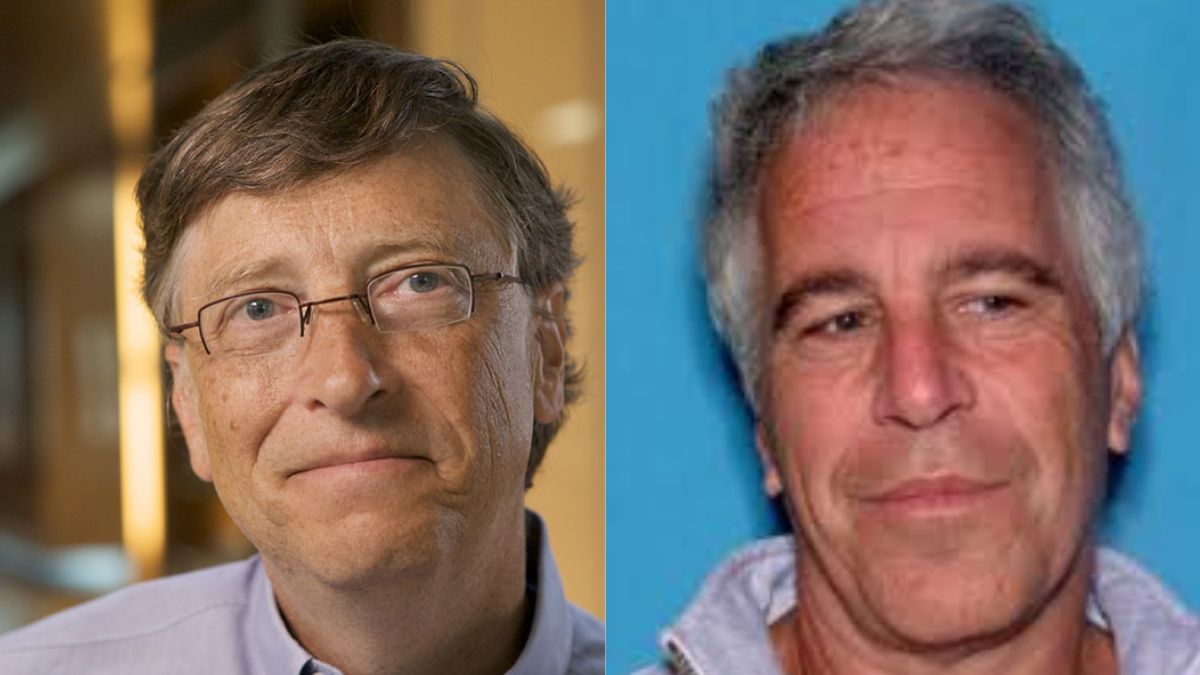
Recent disclosures stemming from the extensive Jeffrey Epstein case files have brought renewed public attention to prominent figures, including Microsoft co-founder and philanthropist Bill Gates. These documents, partially released by the Department of Justice, have reignited discussions surrounding Gates's past associations and personal conduct. Alongside the revelations from the Epstein archive, scrutiny has also intensified regarding a previously acknowledged extramarital relationship involving Gates and a Microsoft employee during the early period of his marriage to Melinda French Gates. This confluence of events places the Seattle-based billionaire, widely recognized for his pioneering work in technology and his significant global health and climate change initiatives, under a fresh wave of media and public examination. The ongoing release of materials related to Epstein, a convicted sex offender, continues to cast a long shadow, prompting questions about the extent of connections between the disgraced financier and influential individuals across various sectors. Officials stated that these releases are part of a broader effort to provide transparency surrounding the complex and disturbing Epstein network, drawing in names that span the worlds of business, politics, and philanthropy.
Bill Gates's journey from a technology visionary to a global philanthropist has been extensively documented. As the co-founder of Microsoft, he played a pivotal role in the microcomputer revolution, and his influence earned him a spot among TIME's most impactful individuals of the 21st century. Beyond Microsoft, he has founded and chairs various enterprises, including TerraPower, focusing on innovative energy solutions. Forbes reported his net worth at an impressive $107.7 billion as of February 2026, positioning him as the 18th wealthiest person globally. While his professional achievements underscore a remarkable degree of focus and dedication, his personal life has also captivated public interest. Gates's marriage to Melinda French Gates, which began in 1994 after they first met in New York in 1987, was long perceived as a robust partnership built on mutual ambition and support. Despite their distinct philanthropic focuses—Gates on global health and climate, Melinda on women's empowerment—their union appeared steadfast and largely private. Consequently, their announcement of separation on May 3, 2021, came as a considerable surprise to many observers, marking a significant shift in the public perception of their seemingly unshakeable bond.
The recent surge in public interest stems significantly from the Department of Justice's ongoing release of documents pertaining to Jeffrey Epstein. Initially, more than three million pages were made public, followed by an additional 11,000 files in December 2025, responding to sustained public demand for greater transparency. These extensive records reportedly contain a range of materials, including blurred images, videos, and photographs, which have further fueled speculation and concern. Epstein, a figure notorious for his conviction as a sex offender, faced numerous accusations of sexual abuse from underage girls, making any association with him deeply problematic for public figures. Among the notable names reportedly appearing in these files are Prince Andrew, former President Bill Clinton, and Bill Gates himself. Sources indicate that Gates first encountered Epstein in 2011, accompanied by his foundation advisor, Boris Nikolic. The released documents also reportedly include a series of email exchanges between Epstein and Nikolic. One particular email, as reported by The Sun, contained a cryptic remark: "Your friend Bill is nuts. H". This detail, alongside the broader context of the files, adds another layer to the scrutiny surrounding Gates's past interactions. Furthermore, the renewed focus on his personal life has brought to the forefront his prior admission of an affair with a Microsoft employee, which occurred early in his marriage to Melinda French Gates, adding a historical dimension to the current public discourse.
The inclusion of Bill Gates's name within the voluminous Jeffrey Epstein files carries significant implications for his public image and the extensive philanthropic work he champions globally. For a figure whose reputation is largely built on innovation and humanitarian efforts, any association with a convicted sex offender like Epstein inevitably invites intense scrutiny and raises questions about judgment and accountability. Experts suggest that such revelations can erode public trust, potentially impacting the effectiveness of the Bill & Melinda Gates Foundation's initiatives, despite the foundation's independent operations. The public's demand for transparency, evidenced by the continuous pressure for more file releases, underscores a societal expectation that even the most powerful individuals are not immune to ethical examination. The resurfacing of Gates's acknowledged affair, juxtaposed with the Epstein connections, creates a narrative of personal complexities that contrasts sharply with his carefully cultivated public persona. This situation highlights the ongoing challenge for high-profile individuals to navigate their private lives and associations in an era of unprecedented digital transparency and public accountability, where past actions, however distant, can resurface with profound consequences. The broader implications extend to how charitable organizations maintain their integrity when their founders face such controversies, potentially influencing donor confidence and public perception of their mission.
In summary, Bill Gates, a titan of technology and philanthropy, is currently navigating a period of heightened public scrutiny. This intensified focus is primarily driven by the recent release of documents linked to Jeffrey Epstein, which reportedly include references to Gates, alongside the renewed attention on his previously acknowledged extramarital affair. The Department of Justice's ongoing disclosure of Epstein's extensive files continues to unravel complex connections involving influential figures, underscoring the enduring public demand for transparency regarding the activities of the disgraced financier. While Gates's professional legacy as a co-founder of Microsoft and a leading global philanthropist remains significant, these personal and associative revelations are prompting a re-evaluation of his public image. Moving forward, observers will likely watch for further details emerging from the Epstein files and assess how these disclosures might influence public trust, his ongoing philanthropic endeavors, and the broader narrative surrounding one of the world's most prominent individuals. The saga serves as a potent reminder that even those at the pinnacle of global influence are subject to continuous ethical and personal examination.