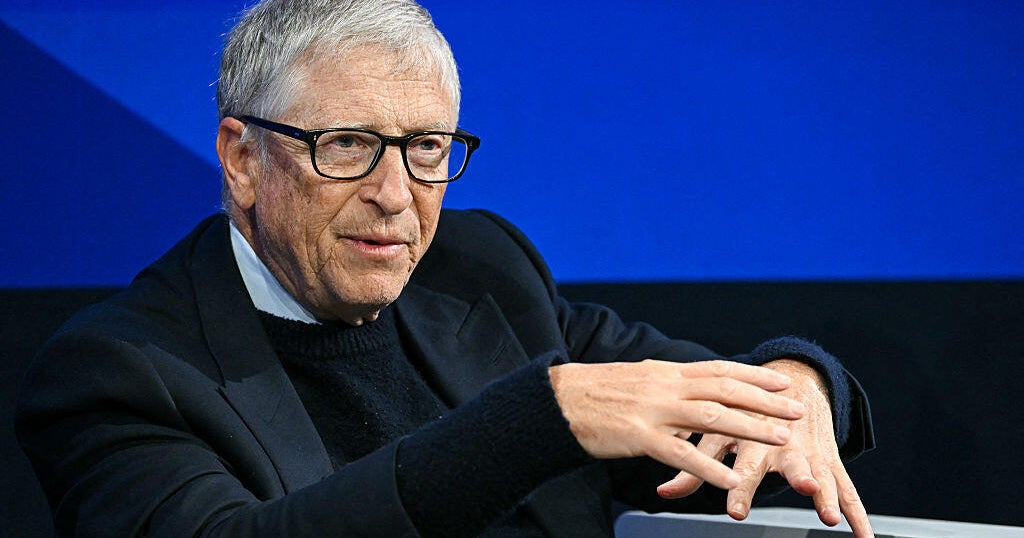
Microsoft co-founder Bill Gates is among seven prominent individuals who have been formally requested to provide testimony before the House Oversight and Government Reform Committee. This significant development, reported on Tuesday, is part of the committee's ongoing and extensive investigation into the activities of convicted sex offender Jeffrey Epstein. The group summoned includes individuals with diverse backgrounds, ranging from former employees of Epstein to high-profile figures in technology, finance, and politics. Committee Chair James Comer indicated in letters to the recipients that the committee believes these individuals possess crucial information pertinent to its inquiry. The scheduled dates for their appearances before the congressional body span from mid-April to early June, signaling a prolonged period of scrutiny into Epstein's network and its potential connections. This latest move underscores the committee's commitment to thoroughly examining the intricate web surrounding Epstein's illicit operations and any associated misconduct.
The House Oversight Committee's investigation into Jeffrey Epstein and his associates is multifaceted, focusing on several key areas. According to statements from Chairman Comer, the committee is specifically scrutinizing the alleged mismanagement of the federal government's initial investigation into both Epstein and his accomplice, Ghislaine Maxwell. Furthermore, the inquiry aims to uncover the methods by which Epstein and Maxwell reportedly sought to cultivate favor and wield influence to shield their illegal activities from detection and prosecution. A critical component of the committee's mandate also involves examining potential violations of ethics rules by elected officials who may have had dealings with the disgraced financier. This broader context follows previous testimonies, including those provided separately last week by former President Bill Clinton and former Secretary of State Hillary Clinton, highlighting the extensive reach of the committee's probe into the highest echelons of power and influence that Epstein allegedly infiltrated.
Beyond Bill Gates, the six other individuals requested to testify bring a range of reported connections to Epstein's orbit. Lesley Groff, identified as Epstein's longtime executive assistant, and Sarah Kellen, another former employee, are expected to provide insights into the daily operations and inner workings of Epstein's enterprises. Kathryn Ruemmler, who served as former White House counsel to President Barack Obama, has also been summoned, though details of her specific connection were not fully elaborated in initial reports, beyond a spokesperson for her being noted by CBS News. Leon Black, co-founder of Apollo Global Management, a prominent figure in the financial sector, is another key individual on the list. Doug Band, a longtime personal aide and counselor to former President Bill Clinton, is also slated to appear. Rounding out the group is tech billionaire Ted Waitt, who is noted as a former boyfriend of Ghislaine Maxwell and reportedly attended Chelsea Clinton's 2010 wedding as Maxwell's guest, further illustrating the varied and sometimes unexpected connections within Epstein's social and professional circles. A spokesperson for Bill Gates confirmed his intention to cooperate, stating, according to reports, that Gates "welcomes the opportunity to appear before the Committee" and looks "forward to answering all the committee's questions to support their important work," while asserting he "never witnessed or participated in any of Epstein's illegal conduct."
The summoning of such a diverse and high-profile group of individuals by the House Oversight Committee signifies a determined effort to fully understand the scope and implications of Jeffrey Epstein's network. The involvement of figures from technology, finance, and political spheres suggests the committee is not merely focused on Epstein's direct criminal acts but also on how his illicit activities may have been enabled, protected, or overlooked by powerful individuals and institutions. Expert observers suggest that the committee's focus on "mismanagement of the federal government's investigation" and "potential violations of ethics rules" indicates a pursuit of systemic accountability, aiming to identify any failures in oversight or deliberate attempts to obstruct justice. The testimonies are anticipated to shed light on the mechanisms of influence Epstein employed and the extent to which his connections might have shielded him, potentially leading to reforms in how such high-level criminal enterprises are investigated and prosecuted in the future. This inquiry could have significant ramifications for public trust in institutions and the scrutiny applied to those in positions of power.
As the House Oversight Committee prepares for these upcoming testimonies, the focus remains squarely on uncovering the full truth behind Jeffrey Epstein's operations and the extensive network that facilitated his crimes. The scheduled appearances of Bill Gates, former Epstein associates, and figures connected to political and financial elites underscore the gravity and breadth of this congressional investigation. What emerges from these testimonies, slated from April through early June, could provide critical insights into how a convicted sex offender maintained such far-reaching influence and evaded full accountability for so long. The committee's stated objectives — examining investigative failures, influence-peddling, and ethical breaches — suggest a comprehensive effort to address systemic issues. The public will be watching closely for any new revelations that could further illuminate the dark corners of Epstein's world and hold those who enabled him accountable.