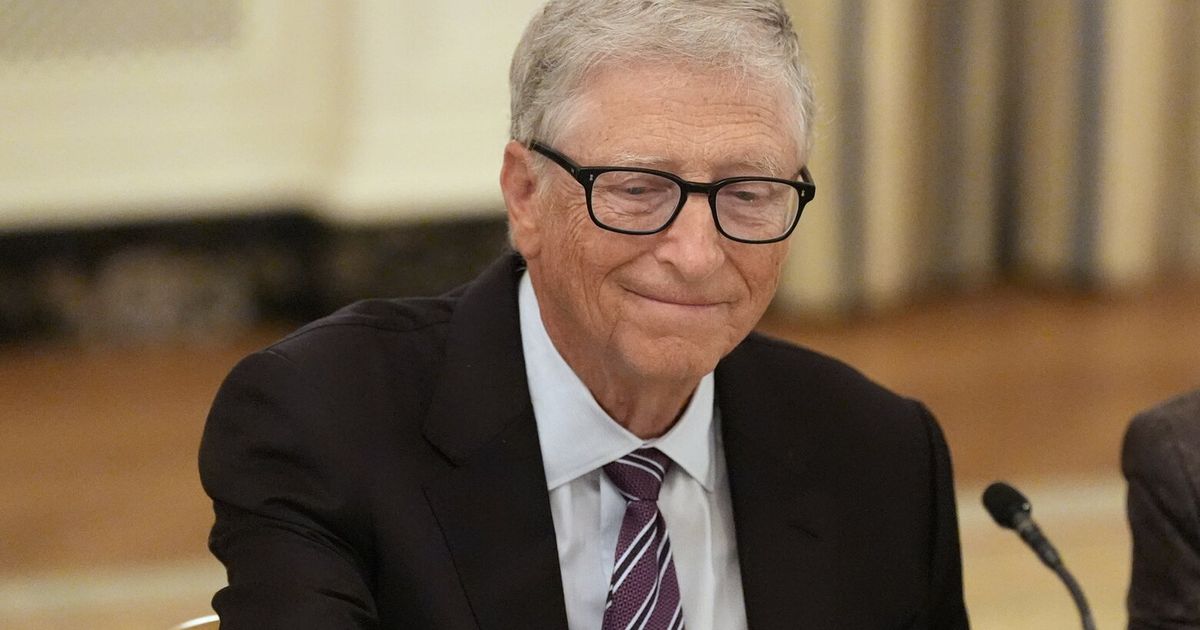
During an internal town hall meeting held on Tuesday, Bill Gates reportedly issued an apology to employees of the Gates Foundation regarding his association with Jeffrey Epstein. According to a recording of the event reviewed by The Seattle Times, the co-founder expressed that his long-standing relationship with the convicted sex offender posed a risk to the integrity and mission of the Seattle-headquartered philanthropic organization. This acknowledgment from the prominent technology magnate and global philanthropist comes in the wake of extensive records detailing their interactions surfacing publicly. These documents were part of a substantial release by the U.S. Department of Justice, bringing renewed scrutiny to the nature and extent of Gates's connections to Epstein, whose criminal activities have cast a long shadow over many high-profile individuals. The apology underscores the significant internal and external pressure facing the foundation as it navigates the fallout from these revelations, aiming to reassure its dedicated workforce and maintain its public standing.
The Bill & Melinda Gates Foundation, established in 2000 by Gates and his then-wife, Melinda French Gates, has grown into one of the world's most influential philanthropic entities, focusing on global health, poverty reduction, and educational initiatives. Given its prominent role and commitment to humanitarian causes, any association with a figure like Jeffrey Epstein carries immense reputational risk and potential for undermining public trust. Epstein, a financier convicted of sex offenses, maintained a network of powerful and wealthy contacts, and the emergence of records detailing his interactions with Gates has prompted widespread concern. The foundation's operations, which are deeply intertwined with public perception and donor confidence, rely heavily on maintaining an unimpeachable ethical standing. The context of this apology is crucial, highlighting the gravity with which the foundation's leadership views the potential damage from these revelations, particularly concerning an organization dedicated to improving lives globally.
Reports indicate that Gates's connection with Epstein spanned several years, a period during which Epstein's illicit activities were either known or widely rumored. The recent release of a massive trove of documents by the U.S. Department of Justice has brought these interactions into sharper focus, detailing the extent of Epstein's network and the individuals with whom he associated. While the specific nature of Gates's interactions with Epstein beyond what has been publicly reported remains a subject of intense media and public interest, the apology to foundation staff suggests a recognition of the profound negative impact these ties have had. Officials stated that Gates, a co-founder of Microsoft, addressed the matter directly with his employees, a move likely intended to mitigate internal anxieties and reaffirm the foundation's core values amidst the controversy. The apology itself, as captured in the internal town hall recording, serves as a direct acknowledgement of the perceived threat to the foundation's operational integrity and reputation.
The implications of Bill Gates's apology extend beyond the immediate internal dynamics of the Gates Foundation, touching upon broader issues of accountability for public figures and the ethical responsibilities of philanthropic organizations. Expert perspectives suggest that associations with individuals like Jeffrey Epstein can severely erode public trust, which is paramount for non-profits relying on donations and public support. For a foundation of the Gates's stature, maintaining an unblemished reputation is crucial for its ability to attract talent, secure partnerships, and effectively implement its global initiatives. This incident prompts critical questions about due diligence processes for high-profile individuals and the potential for reputational contagion. Going forward, the foundation may face increased scrutiny regarding its governance, transparency, and internal policies to prevent similar controversies, as stakeholders and the public alike will be watching for concrete actions to reinforce its ethical framework and restore confidence.
In summary, Bill Gates's recent apology to the staff of the Gates Foundation underscores the significant challenges posed by his past connections to Jeffrey Epstein. The acknowledgment that these ties endangered the Seattle-based philanthropic organization, as reported from an internal meeting, highlights the serious reputational and operational risks involved. This development, triggered by the release of extensive documents from the U.S. Department of Justice, places the foundation under renewed public and internal scrutiny. As one of the world's leading charitable organizations, the Gates Foundation's ability to navigate this controversy will be critical for its future endeavors. Moving forward, observers will be closely watching for further statements, potential policy changes, and actions taken by the foundation to reinforce its commitment to ethical standards and ensure its mission remains untainted by past associations.