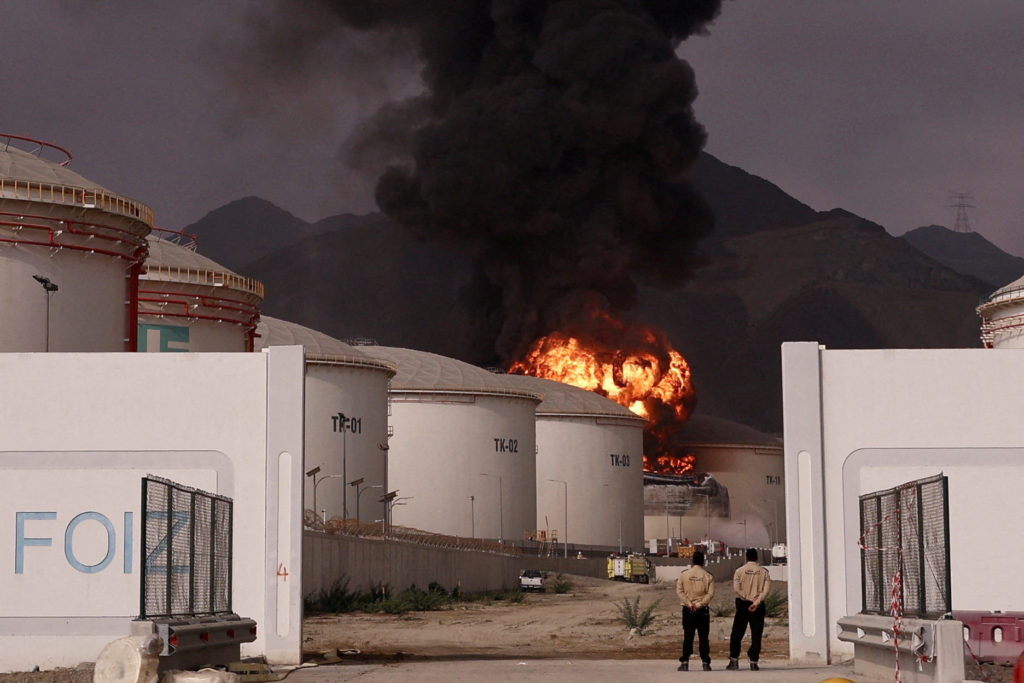
Recent strategic assessments indicate that Iran's fundamental approach to regional dynamics centers on cultivating apprehension regarding the potential for an escalating conflict. This strategy, according to reports, is designed to compel allies of the United States to exert sufficient influence to bring an end to what Iran perceives as their ongoing campaign. The objective is to leverage the specter of widespread instability and economic disruption across the Persian Gulf to shift the geopolitical calculus in its favor. By fostering a climate of uncertainty and highlighting the severe repercussions of a broader confrontation, Tehran aims to create an environment where regional partners and international actors aligned with Washington reconsider their current policies and actions. This calculated maneuver seeks to undermine diplomatic, economic, and potentially military pressures directed against Iran, ultimately aiming to alleviate its isolation and secure its regional interests through indirect means. The emphasis is on psychological warfare and strategic deterrence, rather than direct, large-scale military confrontation, to achieve its policy goals.
This strategic posture by Iran is deeply rooted in a complex history of regional rivalries and perceived external threats. For decades, the Islamic Republic has navigated a challenging geopolitical landscape marked by international sanctions, military encirclement, and proxy conflicts. Observers note that the 'campaign' Iran seeks to halt encompasses a range of activities, including economic sanctions imposed by the U.S. and its partners, the sustained military presence of American forces in the region, and the diplomatic efforts to isolate Tehran. From Iran's perspective, these actions represent an existential challenge to its sovereignty and regional influence. Consequently, its strategy of instilling fear is not merely reactive but a proactive attempt to reshape the terms of engagement, compelling adversaries to weigh the costs of continued pressure against the risks of regional conflagration. This approach reflects a long-standing doctrine of asymmetric warfare and strategic patience, where the threat of escalation serves as a powerful deterrent and a tool for negotiation.
To execute this strategy, Iran reportedly employs a multifaceted approach designed to project power and demonstrate its capacity to disrupt regional stability. This includes, according to various intelligence assessments, the development of advanced missile capabilities, the support for various non-state actors and proxy groups across the Middle East, and periodic demonstrations of naval strength in vital waterways like the Strait of Hormuz. While specific incidents are not detailed in the core assessment, the cumulative effect of these actions is to create a pervasive sense of vulnerability among its neighbors and international shipping. The aim is not necessarily to initiate a full-scale war, but rather to keep the region on edge, ensuring that the economic and security costs of any sustained 'campaign' against Iran remain prohibitively high for U.S. allies. This calculated ambiguity regarding its red lines and response capabilities serves to amplify the perceived dangers of a widening conflict, thereby increasing the pressure on Washington's partners.
Analysts suggest that the effectiveness of Iran's fear-based strategy hinges on several critical factors, including the cohesion of U.S. alliances and the economic resilience of regional states. Should U.S. allies, particularly those heavily reliant on stable energy markets and secure trade routes, perceive the risks of escalation as too great, they might indeed advocate for a de-escalation of tensions or a reconsideration of policies targeting Iran. However, this strategy also carries significant inherent risks for Tehran. Overplaying its hand could lead to unintended consequences, potentially provoking a stronger, more unified response from the international community or even direct military intervention, which Iran ostensibly seeks to avoid. Furthermore, the constant state of heightened alert and instability could alienate potential regional partners and further entrench existing animosities, making any future diplomatic resolution more challenging. Experts contend that while this strategy offers a low-cost, high-impact method of deterrence, its long-term sustainability and ultimate success remain uncertain.
In conclusion, Iran's strategic calculus, as outlined in recent reports, is fundamentally geared towards leveraging the threat of a broader regional conflict to achieve its foreign policy objectives. By systematically instilling fear among U.S. allies, Tehran aims to foster an environment where the costs of confrontation outweigh the benefits of maintaining pressure. This approach, while potentially effective in the short term, places significant strain on regional stability and carries inherent dangers of miscalculation and unintended escalation. Moving forward, observers will be closely watching how U.S. allies respond to this persistent pressure, and whether diplomatic efforts can find a pathway to de-escalation that addresses both Iran's security concerns and the broader international community's desire for regional peace. The delicate balance between deterrence and provocation will continue to define the volatile dynamics of the Persian Gulf.