A Georgia resident, Colin Gray, has been found guilty on all charges, including second-degree murder and involuntary manslaughter, in a landmark case that has intensified the national discourse surrounding parental accountability in instances of school violence. The verdict, delivered on Tuesday, links Gray to a tragic incident in September 2024 at Apalachee High School in Winder, a community situated northeast of Atlanta. His teenage son stands accused of perpetrating the attack, which resulted in the deaths of two students and two educators. This conviction marks a significant moment, drawing widespread attention to the legal ramifications for parents whose children are involved in such devastating events, according to recent reports. The proceedings have underscored the evolving legal landscape concerning the responsibilities of guardians in preventing acts of extreme violence.
The case against Colin Gray has garnered substantial national scrutiny, fundamentally reshaping discussions about the extent to which parents can be held criminally liable for the actions of their children, particularly in the context of school shootings. Historically, such prosecutions have been rare, with legal systems often focusing primarily on the direct perpetrators. However, a growing trend in recent years has seen prosecutors exploring avenues to hold parents accountable, often citing alleged negligence in securing firearms or addressing warning signs. The Apalachee High School tragedy, and the subsequent conviction of Gray, serves as a potent example of this shifting legal and societal perspective. It highlights a broader societal demand for accountability beyond the immediate assailant, prompting a re-evaluation of parental duties in safeguarding both their own households and the wider community from potential harm, according to legal observers following similar cases nationwide.
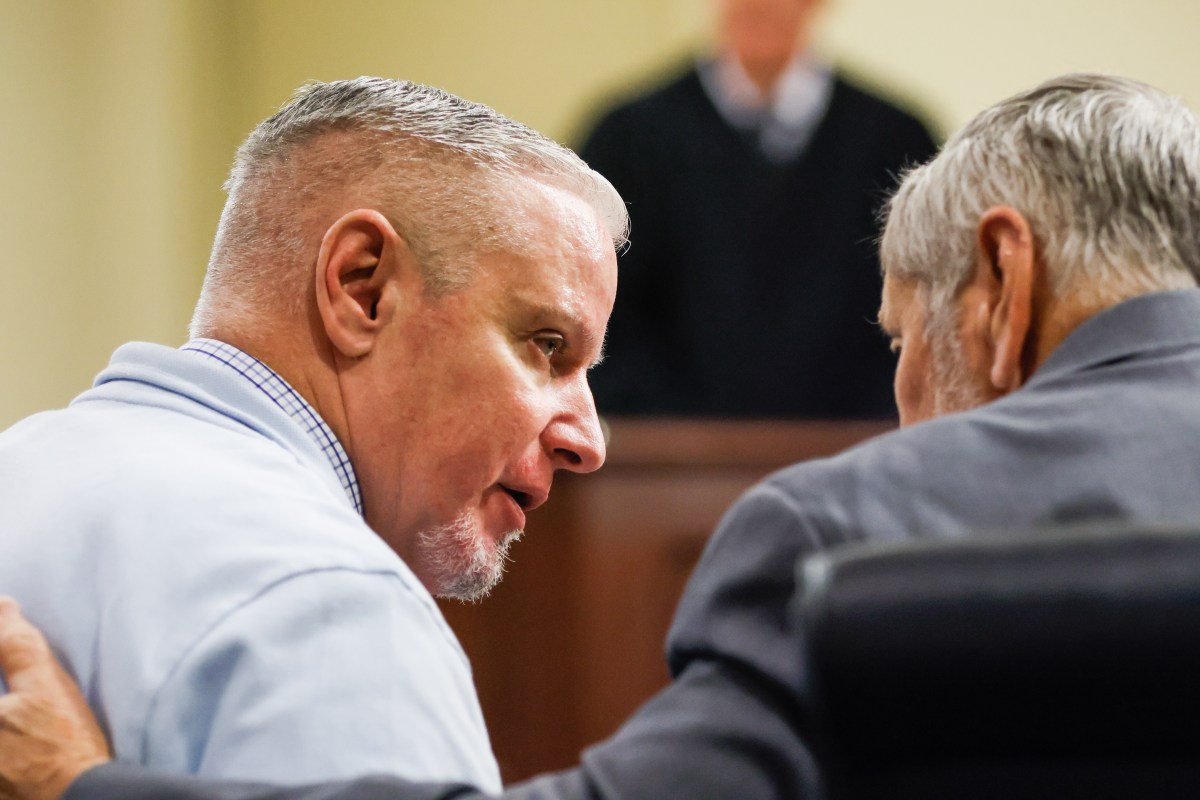
During the courtroom proceedings, Colin Gray reportedly displayed minimal emotional reaction as individual jurors confirmed their verdicts. Following the unanimous declaration of guilt on all counts, deputies proceeded to handcuff Gray at the defense table before escorting him from the courtroom. The specific charges of second-degree murder and involuntary manslaughter underscore the jury's finding of a significant degree of culpability on Gray's part, moving beyond mere negligence to a more direct connection with the tragic outcomes of the September 2024 attack. While the immediate aftermath saw Gray's removal, the legal process is not yet complete; officials stated that his sentencing will occur at a subsequent date, the specifics of which are yet to be announced. This phase will determine the precise penalties Gray will face for his conviction, further solidifying the legal consequences of the jury's decision.
The conviction of Colin Gray is anticipated to have far-reaching implications, potentially setting a significant precedent for future cases involving parental liability in school shootings. Legal experts suggest that this verdict could embolden prosecutors in other jurisdictions to pursue similar charges against parents, particularly where evidence points to a failure to secure weapons or address known risks. This development reflects a societal shift towards broadening the scope of responsibility in preventing gun violence, moving beyond the individual shooter to encompass those who may have enabled access to weapons or overlooked critical warning signs. The outcome in Winder is likely to intensify debates around gun storage laws, parental rights, and the complex ethical considerations of assigning criminal blame to individuals who did not directly commit the violent acts but whose actions or inactions are deemed contributory. It signals a potential tightening of legal expectations for parental oversight, according to analyses from various legal commentators.
In summary, the conviction of Colin Gray for second-degree murder and involuntary manslaughter marks a pivotal moment in the ongoing national discussion about parental accountability in the wake of school shootings. The verdict, stemming from the tragic events at Apalachee High School, underscores a growing legal trend to hold parents criminally responsible for their children's violent acts. As Gray awaits sentencing, the case continues to draw attention to the profound legal and ethical challenges surrounding parental duties and the prevention of gun violence. This outcome is expected to influence future legal strategies and public discourse, prompting continued scrutiny of how society addresses the multifaceted issue of school safety and the responsibilities of those connected to perpetrators.