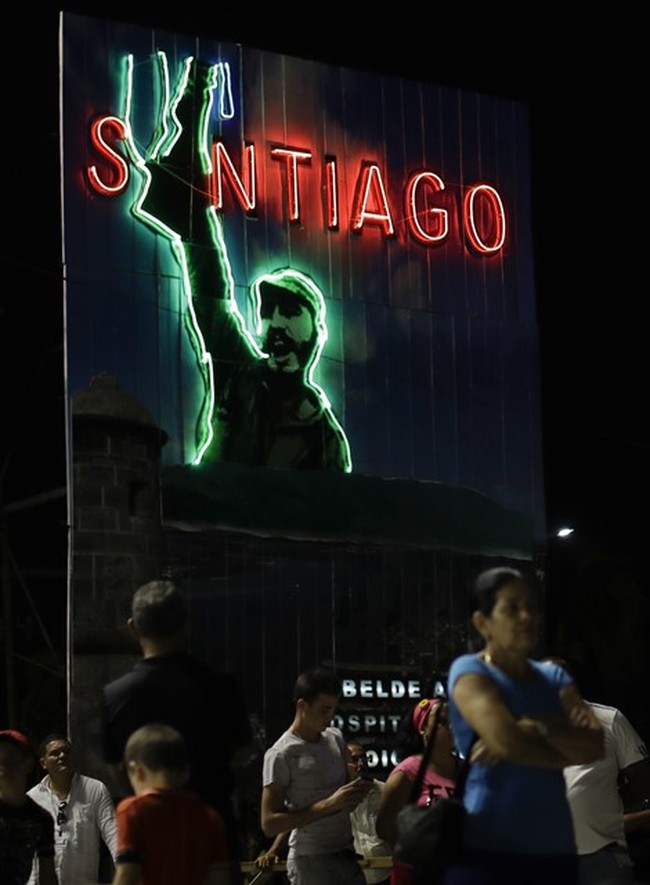
Millions of residents across Cuba, particularly in the capital Havana and the western provinces, continue to endure widespread power outages following a significant operational failure at one of the island's largest thermoelectric power plants. The incident, which began on Wednesday, initially plunged an estimated two-thirds of the nation into darkness. As of Friday, reports indicate that approximately half of the country still lacks electricity, with officials cautioning that full restoration could take several more days. The critical infrastructure breakdown has prompted international attention, with President Donald Trump reiterating his assessment of Cuba as a 'failed state' and suggesting that the Cuban government is seeking assistance from the United States. These remarks come amidst ongoing US operations concerning Venezuela and Iran, adding a geopolitical layer to the unfolding domestic crisis in Cuba.
This latest widespread blackout underscores the persistent challenges facing Cuba's energy sector, which has long struggled with an aging electrical grid and dwindling domestic oil reserves. The island's infrastructure has been prone to frequent disruptions, making Wednesday's incident a stark reminder of the systemic vulnerabilities. The affected facility, a pivotal thermoelectric plant, is crucial for supplying power to a significant portion of the Cuban population. The initial fault led to an immediate and extensive loss of power, impacting daily life and economic activity across vast swathes of the country. Experts suggest that the chronic issues with Cuba's energy infrastructure are exacerbated by limited access to modern technology and spare parts, often attributed to long-standing economic embargoes and internal resource allocation challenges, contributing to a cycle of maintenance backlogs and operational instability.
Specific details regarding the plant malfunction have emerged, with state-run media providing insights into the cause and ongoing repair efforts. According to reports from government radio station Radio Rebelde, the plant's technical director, Román Pérez Castañeda, confirmed that the incident was triggered by a pipe burst within the boiler system. This rupture led to a water leak and a subsequent fire, which, fortunately, was extinguished without causing significant structural damage to the facility. However, Pérez Castañeda emphasized that repair crews must first precisely locate the fault before they can proceed with the necessary repairs and restart the unit. An unnamed energy official, also quoted by Radio Rebelde, indicated that restoring full operations could require at least 72 hours from the time of the shutdown, a timeline that suggests power may not be fully re-established until late this weekend or early next week for the remaining affected areas.
The prolonged power crisis in Cuba carries significant implications, both domestically and internationally. Domestically, it highlights the urgent need for substantial investment and modernization of the nation's critical infrastructure, a task made more complex by economic constraints. The recurring nature of these outages can erode public confidence and further strain an already struggling economy. On the international front, President Trump's comments introduce a new dimension to US-Cuba relations. His assertion that Cuba is a 'failed state' and his suggestion that the island 'needs help' could be interpreted in various ways. Some analysts might view it as an opening for humanitarian aid or technical assistance, potentially signaling a shift in policy, while others might see it as a rhetorical pressure tactic. The context of ongoing US involvement in regional affairs, particularly concerning Venezuela and Iran, adds complexity to any potential offer of assistance, raising questions about the conditions and broader strategic objectives behind such an overture.
As millions in Cuba continue to grapple with the lack of electricity, the focus remains on the arduous repair process at the damaged thermoelectric plant. The coming days will be critical for restoration efforts, with officials working against the clock to bring power back online across the island. Beyond the immediate crisis, the incident serves as a stark reminder of Cuba's long-term infrastructure vulnerabilities. President Trump's public statements about Cuba seeking US assistance introduce a new, potentially pivotal, element into the bilateral relationship. Observers will be closely watching for any official requests for aid from Havana and the specific nature of any potential US response, which could reshape the dynamics between the two nations in the wake of this widespread and impactful power outage.