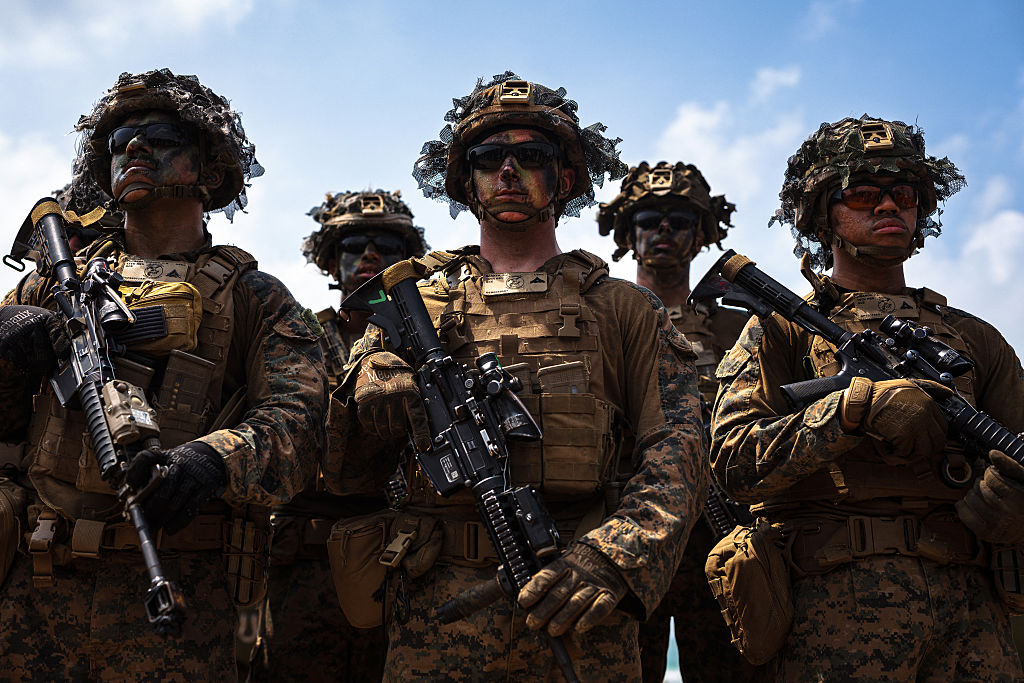
A significant call has emerged advocating for a drastic reduction in the United States' military budget, proposing a cut of 50% amidst escalating international tensions, particularly concerning Iran. This demand, articulated by various commentators and advocacy groups, extends beyond merely opposing specific military actions, such as potential conflict with Iran. It represents a fundamental challenge to the long-standing bipartisan commitment to maintaining global military supremacy, a policy that critics argue has fueled continuous overseas engagements. The current administration, led by Donald Trump, is cited by these proponents as exacerbating global instability, with concerns that foreign interventions may intensify as domestic support potentially wanes. This perspective suggests that a substantial reevaluation of defense spending is crucial to de-escalate conflicts and reorient national priorities.
The push for significant military budget cuts is framed not as a novel response to recent geopolitical events but as a necessary corrective to decades of entrenched foreign policy. According to reports from critical observers, both major political parties have historically upheld a fundamental dedication to projecting US military power globally. This commitment, sources indicate, has often transcended partisan divides, leading to consistent and substantial defense appropriations. For instance, recent legislative actions saw a considerable portion of House Democrats, reportedly 55%, voting in favor of the latest US Armed Forces budget. This pattern suggests that even among those who might voice objections to specific foreign policy decisions, the underlying premise of maintaining a dominant military force remains largely unchallenged within mainstream political discourse. Critics argue that this bipartisan consensus perpetuates a cycle of interventionism, making a radical re-evaluation of spending imperative.
Further elaborating on the political landscape, analysts point out that while some establishment figures within the Democratic party, such as Chuck Schumer and Hakeem Jeffries, have expressed reservations regarding recent military actions, their concerns often center on procedural aspects or "strategic clarity" rather than a fundamental rejection of US global dominance. This distinction, according to proponents of budget cuts, highlights a deeper issue where the overarching goal of US supremacy is rarely questioned in mainstream political discourse. Even prominent figures like Kamala Harris have publicly affirmed a commitment to ensuring the United States possesses "the strongest, most lethal fighting force in the world" during her campaign. This widespread acceptance, critics argue, underpins the premise that Washington retains the prerogative to conduct military operations, including bombing or invading, in any country globally, provided it deems the justification sufficient.
The advocacy for a 50% reduction in military spending represents a profound challenge to the prevailing assumptions guiding US foreign policy. While a broad bipartisan consensus on military dominance is observed, certain political figures stand out as notable exceptions to this trend. Individuals such as Bernie Sanders, Alexandria Ocasio-Cortez, and James Talarico have consistently articulated clearer anti-war positions, advocating for a more restrained approach to international engagement. This emerging counter-narrative suggests that merely opposing specific conflicts, like the current tensions with Iran, or even demanding an end to US aid to allies, may not be sufficient to fundamentally alter the trajectory of US foreign policy. Instead, proponents argue that a drastic cut to the military budget is necessary to dismantle the infrastructure supporting continuous global intervention and redirect resources towards domestic priorities or diplomatic solutions.
In summary, the call to halve the US military budget signifies a radical re-imagining of America's role on the global stage, moving beyond critiques of individual conflicts to challenge the foundational principles of US military supremacy. This movement, gaining traction amidst heightened international tensions and perceived domestic political vulnerabilities, underscores a growing desire among certain segments for a fundamental shift in national priorities and resource allocation. As the debate over defense spending intensifies, observers will be watching to see if these calls for substantial cuts can gain broader political traction and reshape the discourse around US foreign policy, potentially leading to a re-evaluation of long-held bipartisan commitments.