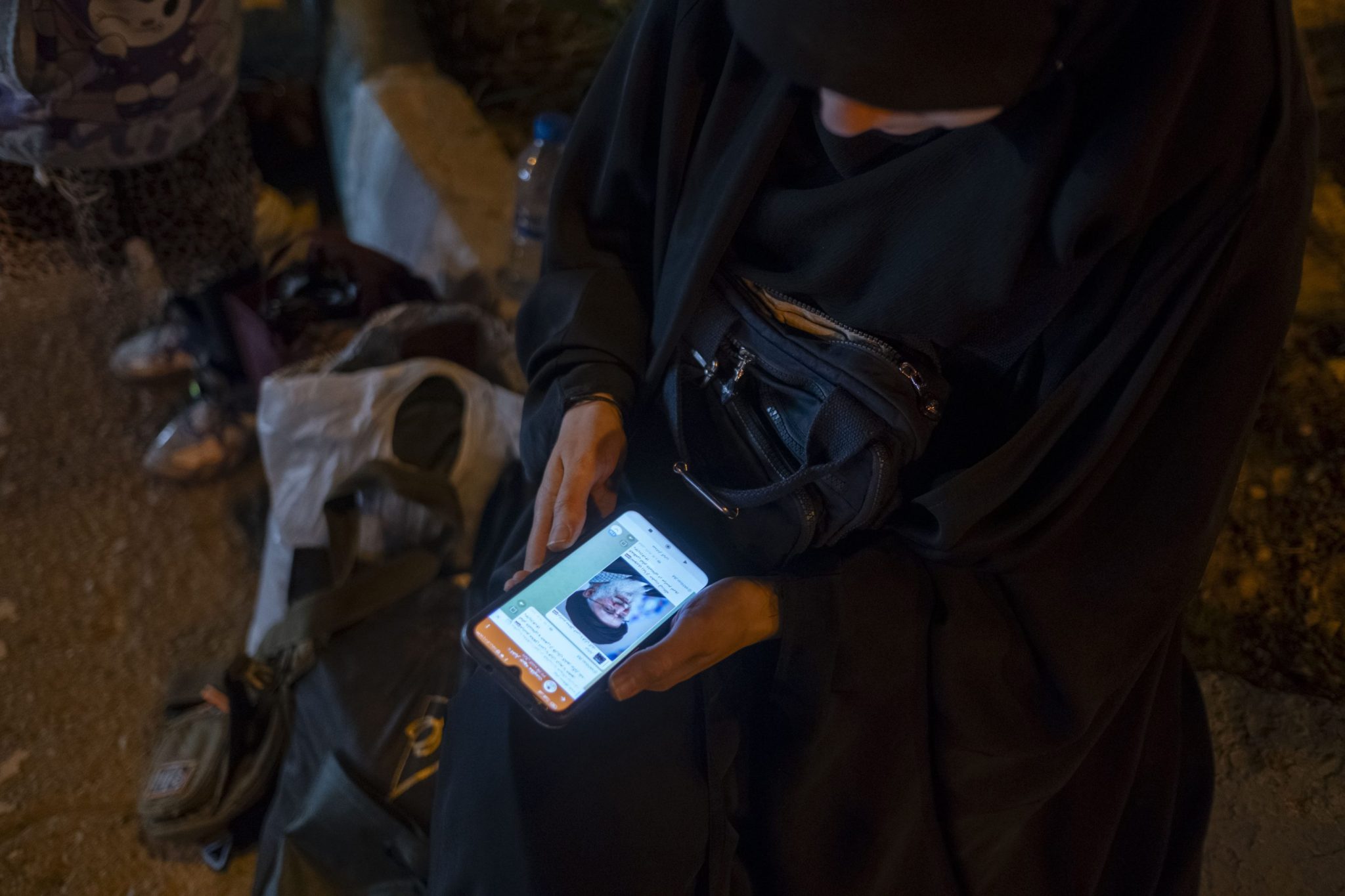
In the immediate aftermath of strikes on Tehran this past Saturday morning, millions of Iranian mobile users received unexpected push notifications from the widely used BadeSaba Calendar prayer application. The app, reportedly downloaded over five million times, had been compromised, issuing alerts that proclaimed "Help has arrived!" and urged the formation of a "People’s Army" to defend "Iranian brothers," according to an assessment by the cyber intelligence firm Flashpoint. This digital intrusion escalated on Sunday when the application disseminated instructions for Islamic Revolutionary Guard members to surrender, alongside details for safe gathering points for protesters. Subsequently, pro-regime elements launched a swift counter-response, initiating what Flashpoint describes as the "most aggressive" phase to date of Iran's "Great Epic" cyber campaign. This period is anticipated to be one of "extreme volatility," with hacktivists and proxy groups expected to drive escalation in the absence of centralized command from Tehran, as indicated by Flashpoint.
The "Great Epic" cyber campaign represents a loosely organized collective of cyber operatives operating under the banner of the "Cyber Islamic Resistance." This umbrella group has been linked to various cyber incidents, including the disruption of gas stations in Jordan and sophisticated attacks targeting U.S. and Israeli military contractors. These past operations have involved both the destruction of data and the execution of psychological operations, mirroring the tactics observed in the recent BadeSaba compromise. The current escalation suggests a potential shift in strategy, where the template demonstrated by the BadeSaba hack—a widespread, impactful digital message—could be reversed and deployed against Western entities. Coordination for these activities, according to Flashpoint, often occurs through platforms like Telegram and Reddit, where alleged attack screenshots are posted as evidence, though their veracity can take weeks or months to confirm, as noted by former NSA expert Kathryn Raines, now a threat intelligence team lead at Flashpoint.
The compromise of the BadeSaba application and the subsequent pro-regime cyber offensive highlight a critical juncture in Iran's digital conflict landscape. The initial messages from the hijacked prayer app, calling for national defense, were followed by more specific instructions on Sunday, guiding rank-and-file members of the Islamic Revolutionary Guard towards surrender and directing protesters to secure locations. This sequence of events unfolded against a backdrop of significant disruption to Iran's command structure. According to assessments, the Iranian leadership has been effectively incapacitated by the recent strikes, creating a substantial vacuum at the top of the country's cyber operations. Kathryn Raines emphasized that this leadership void is highly likely to foster "more unpredictable, decentralized proxy attacks," suggesting a departure from previously more coordinated state-sponsored cyber activities and posing new challenges for threat detection and mitigation.
The implications of this decentralized operational model are profound, particularly for Western companies and infrastructure. With a diminished central command, the initiative for cyber escalation is increasingly falling to hacktivists and various proxy groups. This shift introduces a higher degree of unpredictability into the threat landscape, as these actors may operate with less oversight and potentially more aggressive or opportunistic motives. The methodology observed in the BadeSaba incident, where a widely used application was leveraged for mass communication and psychological operations, could serve as a blueprint for future attacks targeting Western entities. Experts suggest that identifying and defending against such diffuse threats becomes significantly more complex when the perpetrators are not directly controlled by a central state apparatus, making traditional attribution and deterrence strategies less effective. This evolving dynamic necessitates a re-evaluation of cybersecurity postures for organizations operating in regions or sectors deemed potential targets.
In conclusion, the recent cyber activities in Iran, marked by the compromise of the BadeSaba app and the subsequent "Great Epic" campaign, signal a period of significant digital instability. The reported decimation of Iran's central leadership has created a vacuum that is being filled by decentralized proxy groups and hacktivists, leading to an anticipated surge in unpredictable cyber attacks. This shift poses an elevated and complex threat to Western companies, which could become targets for operations mimicking the psychological warfare tactics seen domestically in Iran. Cybersecurity experts are closely monitoring the situation, anticipating extreme volatility in the coming days and weeks. Organizations are urged to remain vigilant and prepare for a new era of less predictable, more diffuse cyber threats emanating from the region, as the long-term impact of this leadership void on Iran's cyber capabilities continues to unfold.