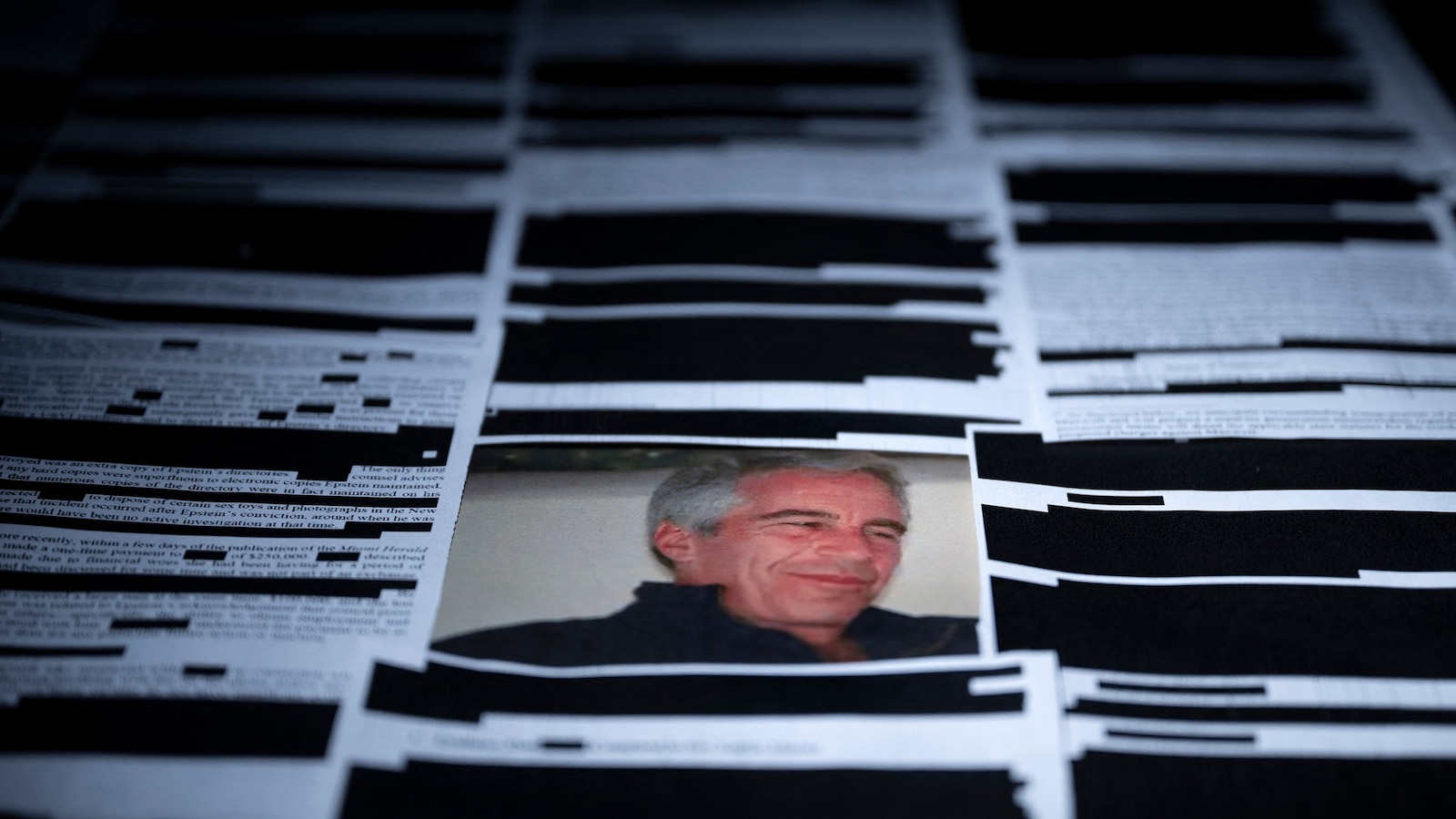
The United States Department of Justice (DOJ) announced on Thursday the public release of three previously undisclosed FBI interview reports from 2019. These documents pertain to a woman who, according to the reports, made uncorroborated claims of sexual abuse by Donald Trump during the 1980s, when she was a minor between the ages of 13 and 15. The interview summaries, officially known as FBI 302 reports, were initially withheld from a much larger tranche of documents associated with the late financier Jeffrey Epstein, which saw a significant public release in January. This latest disclosure, communicated by the DOJ via a statement on social media, adds a new dimension to the ongoing public scrutiny surrounding individuals connected to Epstein's illicit network and highlights the continued process of declassifying and releasing sensitive investigative materials.
The release of these specific FBI 302 reports is part of a broader, ongoing effort to make public millions of pages of documents categorized under the 'Epstein files.' This extensive collection of records has been the subject of considerable public and legal interest, shedding light on the activities and associates of Jeffrey Epstein, who faced charges related to sex trafficking. The FBI 302 reports themselves are standard investigative forms used by the Federal Bureau of Investigation to summarize interviews with witnesses or subjects. Their release, even years after the interviews were conducted in 2019, underscores the persistent demand for transparency surrounding the Epstein investigation and its tangential connections. The allegations themselves, dating back to the 1980s, place them in a historical context that predates much of the public awareness of Epstein's activities, adding another layer of complexity to the unfolding narrative.
According to the recently disclosed reports, the woman's allegations describe incidents of abuse occurring when she was a minor, specifically between the ages of 13 and 15, during the 1980s. Officials stated that these claims remain uncorroborated, a crucial distinction in legal and investigative contexts, indicating that the allegations have not been substantiated by additional evidence or independent verification. The interviews summarized in the FBI 302 reports were conducted in 2019, suggesting that these claims came to the attention of federal investigators relatively recently, despite the alleged events occurring decades prior. The decision to initially withhold these particular documents from the extensive January release of Epstein-related materials, only to release them separately now, points to a deliberate and potentially phased approach by the Department of Justice in managing the disclosure of sensitive information, especially concerning high-profile individuals.
The release of these specific documents, even with the explicit notation that the allegations are uncorroborated, carries significant implications for public discourse and the ongoing scrutiny surrounding figures associated with Jeffrey Epstein. Legal observers often emphasize that 'uncorroborated' does not equate to 'false,' but rather signifies a lack of supporting evidence at the time of the investigation, which can be particularly challenging for claims dating back several decades. This disclosure contributes to the broader narrative of transparency and accountability that has characterized the handling of the Epstein files, allowing the public to review the nature of claims made to federal investigators. For public figures like Donald Trump, any mention in such documents, regardless of the corroboration status, can invite renewed media attention and public discussion, further fueling the complex and often contentious dialogue surrounding the Epstein network and its reach.
In summary, the Department of Justice's recent release of three FBI interview reports from 2019 marks another development in the extensive public disclosure of documents related to the Jeffrey Epstein investigation. These reports detail uncorroborated allegations made by a woman claiming sexual abuse by Donald Trump in the 1980s, when she was a minor. While the claims remain unsubstantiated by additional evidence, their release underscores the ongoing commitment to transparency surrounding the Epstein files and the meticulous process of declassifying sensitive investigative materials. As more documents continue to emerge, the public will likely remain focused on how these disclosures shape the understanding of Epstein's network and the individuals connected to it, with further releases or official statements being key elements to watch in the coming months.