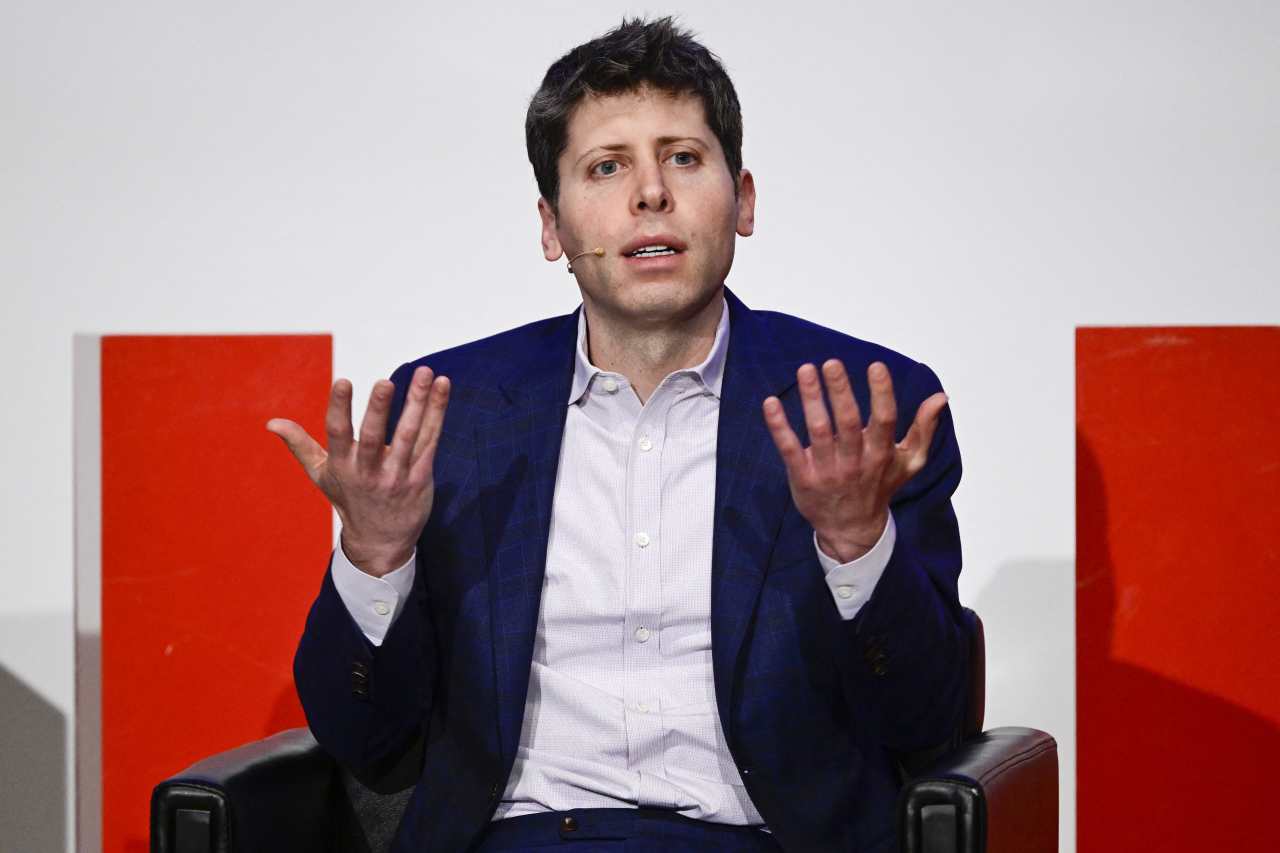
Sam Altman, the chief executive of OpenAI, has publicly acknowledged a significant communication error regarding the company's recent engagement with the United States government, specifically concerning a collaboration with the Pentagon. According to statements attributed to Altman, he conceded that the initial presentation of this new government deal was perceived as "opportunistic," a characterization that sparked considerable public and internal scrutiny. Facing widespread backlash over the announcement, the influential AI leader has committed to promptly revising the official language used to detail the partnership. The objective of this amendment, as indicated by Altman, is to explicitly underscore the stringent restrictions and ethical safeguards that will govern the application of OpenAI's advanced artificial intelligence technologies in such sensitive defense contexts. This candid admission and the subsequent pledge for immediate clarification highlight the delicate tightrope walk AI developers must navigate, balancing rapid technological advancement with unwavering adherence to ethical principles, especially when their innovations intersect with national security and military applications. The incident underscores the intense public and industry scrutiny that leading AI firms face as their powerful technologies become increasingly integrated into critical governmental and defense infrastructures.
OpenAI, initially founded with a non-profit mission to ensure artificial general intelligence (AGI) benefits all of humanity, has historically emphasized the safe and ethical development of AI. While the company later transitioned to a "capped-profit" model to attract necessary capital for large-scale research, its core commitment to beneficial AI and avoiding misuse has remained a cornerstone of its public identity. Engaging with defense entities like the Pentagon, therefore, presents a complex ethical dilemma, as AI technologies are inherently "dual-use" – capable of both benevolent and potentially harmful applications. Concerns within the AI community and among the public often revolve around the potential for AI to be integrated into autonomous weapons systems, enhance surveillance capabilities, or contribute to other applications that could raise significant ethical questions regarding accountability, human control, and the escalation of conflict. The perceived "opportunistic" announcement of this deal, without immediate and clear articulation of safeguards, likely triggered anxieties about a potential deviation from OpenAI's stated ethical framework, prompting the swift need for clarification from its leadership.
The admission by OpenAI's CEO, Sam Altman, that the announcement of the government deal was "sloppy" and came off as "opportunistic" suggests a recognition of a public relations misstep that inadvertently undermined the company's carefully cultivated image. While specific details of the Pentagon deal itself were not elaborated upon in the initial reports concerning Altman's statement, the commitment to "amend the language to emphasize restrictions" points to a proactive effort to address criticisms head-on. These anticipated revisions are expected to clarify the boundaries within which OpenAI's AI models can be deployed by defense agencies. Such restrictions typically involve prohibitions against using AI for lethal autonomous weapons, mass surveillance, or applications that violate human rights. The emphasis on these safeguards is crucial for an organization that has consistently advocated for responsible AI development and has, in the past, outlined principles for ethical AI use. The incident highlights the ongoing challenge for AI companies to transparently communicate their partnerships, especially with entities whose missions might be perceived as conflicting with the broader ethical aspirations of the AI community, ensuring that technological advancement does not outpace ethical oversight.
This incident carries significant implications for OpenAI's brand reputation and its standing within the broader AI ethics discourse. For a company that has positioned itself as a leader in responsible AI development, an admission of appearing "opportunistic" in a defense partnership can erode public trust and invite skepticism from researchers and and policymakers alike. Experts in AI ethics often highlight the critical need for transparency and robust governance frameworks when powerful AI technologies are deployed in sensitive sectors. The swiftness of Altman's response, while indicative of an attempt at damage control, also underscores the intense pressure on AI companies to align their commercial strategies with their stated ethical missions. This situation serves as a stark reminder of the complexities involved in navigating the dual-use nature of advanced AI. It suggests that even market leaders must continually re-evaluate their communication strategies and internal policies to ensure that their actions consistently reflect their commitment to beneficial and safe AI, especially as the lines between civilian and military applications of AI become increasingly blurred. The incident may prompt other AI firms to review their own engagement protocols with government and defense sectors.
In conclusion, Sam Altman's acknowledgment of a "sloppy" and "opportunistic" announcement regarding OpenAI's government deal, particularly with the Pentagon, marks a pivotal moment for the company's public image and ethical positioning. His commitment to immediately amend the language to highlight crucial restrictions is a direct response to the backlash and an attempt to reaffirm OpenAI's dedication to responsible AI deployment. This episode underscores the critical importance of clear, transparent communication and robust ethical frameworks as AI technologies become more pervasive and powerful. Moving forward, the AI community and the public will closely observe how OpenAI implements these promised clarifications and whether its actions consistently align with its foundational principles of developing AI that benefits humanity safely. The incident serves as a crucial case study in the ongoing global dialogue about the ethical governance of artificial intelligence, particularly at the intersection of cutting-edge technology and national security interests.