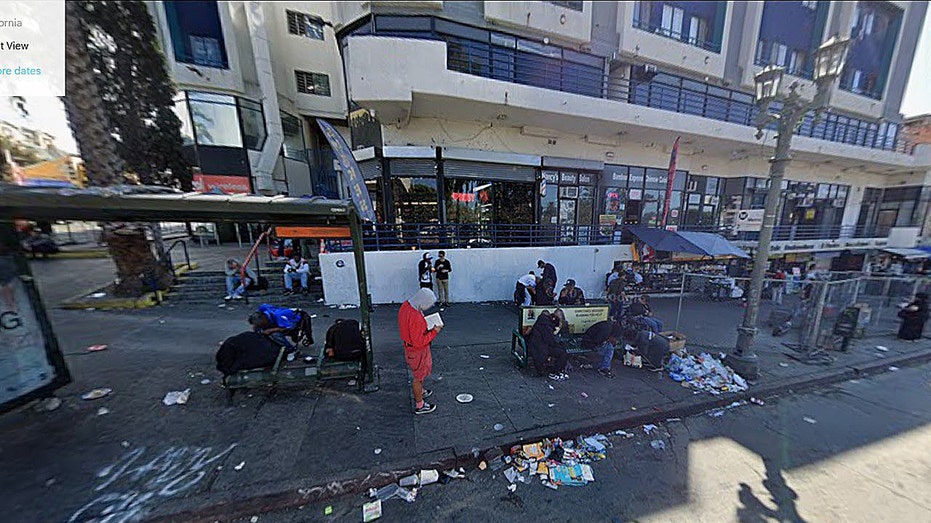
A significant federal operation on Thursday led to the apprehension of a dozen alleged members and associates linked to a prominent Los Angeles street gang, as confirmed by the U.S. Attorney’s Office for the Central District of California. The individuals are reportedly connected to the 18th Street gang, identified as the largest criminal organization of its kind in the city. Authorities indicate that the group allegedly employed a deceptive tactic to avoid detection, utilizing tents to blend in seamlessly with the homeless population in various urban areas. Investigators assert that this network was actively involved in illicit drug distribution across Los Angeles, with primary operational hubs located in MacArthur Park and the Skid Row district. This sweeping takedown represents a concerted effort by federal agencies to dismantle a criminal enterprise accused of widespread harm and exploitation within vulnerable communities.
The 18th Street gang has long been recognized as a formidable force in Los Angeles's criminal landscape, reportedly evolving into a vast organization with alleged ties to the notorious Mexican Mafia. This latest federal action underscores the persistent challenges posed by such entrenched criminal networks. According to official reports, the gang members now face a litany of serious charges, including allegations of murder, extortion, racketeering, conspiracy, and extensive drug trafficking. The scope of these charges highlights the multifaceted nature of the gang's alleged criminal activities, extending far beyond simple drug sales to encompass a broad spectrum of violent and organized crime. The operation’s focus on areas like MacArthur Park and Skid Row also brings to light the devastating impact these illicit activities have on already struggling communities and their residents.
Further details released by the U.S. Attorney’s Office for the Central District of California reveal that the arrests stem from a total of seven federal indictments targeting members of this particular gang. Bill Essayli, the first assistant U.S. attorney for the Central District of California, emphasized the severe consequences of the gang's alleged actions, stating that the 18th Street gang has inflicted considerable damage upon the residents of MacArthur Park. According to Essayli, the gang's activities have transformed the park into an area plagued by crime, overrun with drug addicts, and exploited by the very criminals who facilitate their addiction. This statement underscores the profound social and public safety implications of the gang's alleged operations, particularly their reported strategy of using tents to camouflage their illicit activities within homeless encampments, thereby exploiting a vulnerable segment of the population for their criminal enterprise.
This federal intervention signifies a critical move to disrupt a criminal enterprise that allegedly capitalized on urban blight and social vulnerabilities. The reported tactic of using tents to blend with the homeless population in areas like MacArthur Park and Skid Row presents a unique challenge for law enforcement, requiring sophisticated investigative methods to distinguish legitimate residents from criminal operatives. Such strategies not only complicate policing efforts but also further stigmatize and endanger the already marginalized homeless community. The comprehensive nature of the charges, ranging from drug trafficking to murder and racketeering, suggests a deep-seated and violent organization. This takedown could potentially serve as a significant blow to the 18th Street gang's operational capacity and its alleged connections to larger criminal syndicates like the Mexican Mafia, potentially leading to a re-evaluation of security measures in affected public spaces.
In conclusion, the federal takedown resulting in the arrest of 12 alleged members of the 18th Street gang marks a substantial effort to combat organized crime in Los Angeles. The charges, which include serious offenses like murder and drug trafficking, underscore the alleged brutality and extensive reach of this criminal organization. The reported method of exploiting the homeless population by blending in with their encampments highlights a disturbing tactic that complicates law enforcement and further victimizes vulnerable individuals. As legal proceedings commence, the focus will shift to the prosecution of these individuals and the broader implications for public safety and urban policy in areas heavily impacted by gang activity and homelessness. This operation serves as a stark reminder of the ongoing battle against criminal enterprises that seek to exploit societal weaknesses for illicit gain.