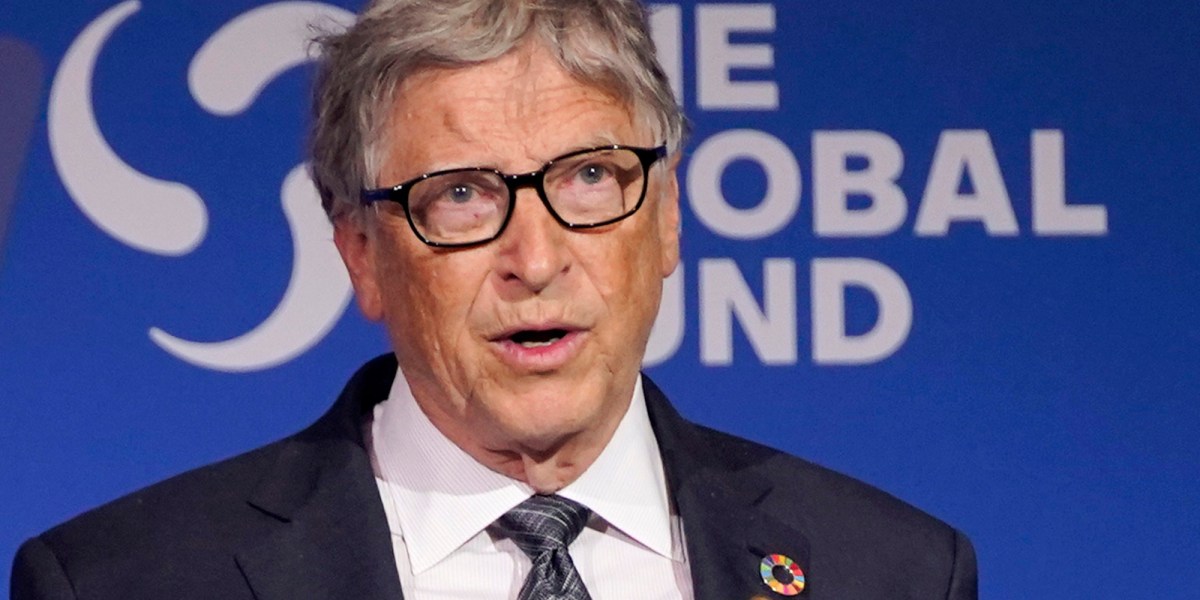
Bill Gates recently confronted his controversial association with convicted sex offender Jeffrey Epstein during an internal town hall meeting with staff at his philanthropic organization, the Gates Foundation. The nonprofit confirmed that Gates, speaking on Tuesday, acknowledged his actions and accepted accountability for his past interactions with Epstein. A spokesperson for the Gates Foundation elaborated, stating that Gates engaged openly with numerous inquiries, providing detailed responses to his employees. This internal address follows a period of heightened public scrutiny surrounding Gates's connections to the late financier, particularly after the U.S. Justice Department released a substantial volume of documents pertaining to its investigation into Epstein's activities. These newly public records have brought renewed attention to the nature and extent of their relationship, prompting Gates to directly address the matter with his foundation's workforce.
The Justice Department's extensive files reveal multiple instances of Bill Gates's involvement with Epstein, including various forms of communication and documented encounters. Among the released materials are email exchanges between Gates and Epstein, which reportedly touched upon potential philanthropic initiatives. Additionally, calendar entries within the documents log specific dates when the two men met, further illustrating their interactions. Photographs depicting Gates at events also attended by Epstein have emerged from these files. Despite these documented connections, it is crucial to note that Gates has not faced any accusations of wrongdoing in relation to Epstein's criminal activities. He has consistently maintained that he was unaware of Epstein's illicit conduct, asserting that his meetings with the financier were solely for the purpose of discussing philanthropic endeavors, driven by a belief that Epstein could assist in securing funding for critical global health projects. Gates previously expressed profound regret for these interactions, telling Australia's 9News earlier this month, "Every minute that I spent with him I regret and I apologize that I did that."
The increased public focus on Gates's ties to Epstein intensified significantly last month, following the Justice Department's release of millions of documents related to its investigation. This renewed attention has had tangible impacts on Gates's public engagements. For instance, he recently withdrew from delivering the keynote address at the India AI Impact Summit in New Delhi. Officials indicated that this decision was made to ensure that the summit's primary objectives and key priorities remained the central focus, rather than being overshadowed by the controversy surrounding his personal associations. Furthermore, the strain caused by Gates's relationship with Epstein extended into his personal life. Both Bill Gates and his former spouse, Melinda French Gates, have publicly acknowledged that these connections created considerable difficulties within their marriage. Melinda French Gates, who departed the Gates Foundation in 2024 to concentrate on her own philanthropic efforts through Pivotal Ventures, has also weighed in on the matter, stating that her ex-husband must "answer to those things" when questioned about his links to Epstein.
The ongoing revelations and Gates's public acknowledgments carry significant implications for his personal legacy and the reputation of the Gates Foundation, a global leader in philanthropy. Experts suggest that while Gates has taken steps to address the issue directly with his staff, the persistent scrutiny could challenge public trust in his leadership and the foundation's mission. The controversy underscores broader questions about accountability for public figures and the due diligence expected when engaging with individuals of questionable character, even under the guise of charitable work. Maintaining transparency and demonstrating a clear commitment to ethical practices will be paramount for the foundation moving forward. The media landscape itself is not immune to these complexities; for example, the Associated Press receives financial backing from the Gates Foundation for its news coverage in Africa, and from Melinda French Gates’s Pivotal Ventures for its reporting on women in the workforce and statehouses, highlighting the intricate web of relationships within the philanthropic and journalistic spheres.
In summary, Bill Gates has made a direct and candid acknowledgment of his past association with Jeffrey Epstein to his foundation's employees, taking responsibility for his actions amidst a wave of renewed public and media scrutiny. This internal address, prompted by the release of Justice Department documents detailing his connections, underscores the lasting impact of the Epstein scandal on prominent public figures. While Gates has consistently denied knowledge of Epstein's crimes and expressed profound regret for their interactions, the situation continues to draw attention, affecting his public engagements and personal relationships. Moving forward, observers will be watching closely to see how these disclosures impact the Gates Foundation's operations, its public image, and the broader conversation surrounding ethical conduct and accountability in global philanthropy.