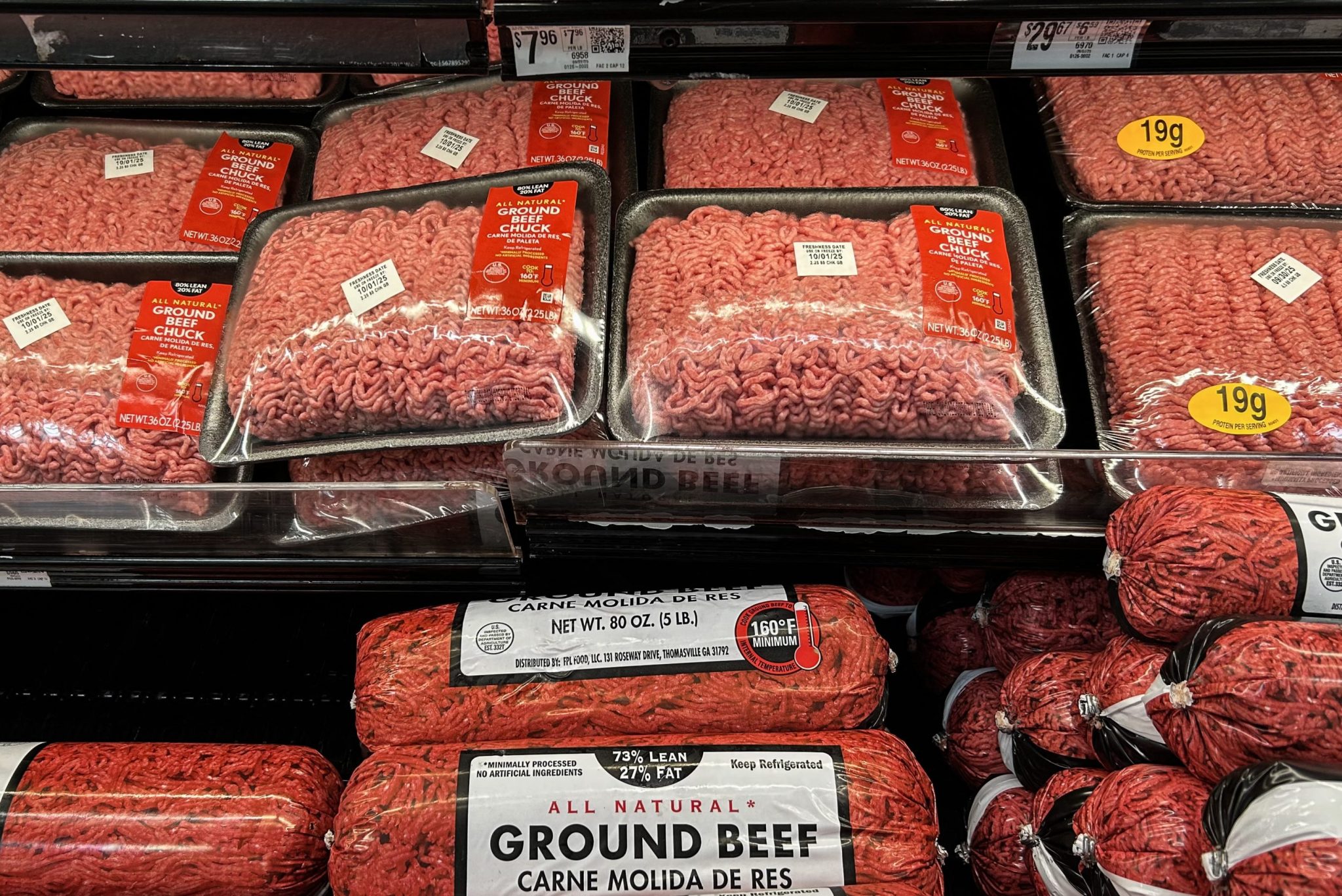
A new dietary phenomenon, dubbed 'boy kibble,' is rapidly gaining traction among Gen Z men, particularly on social media platforms, as a straightforward and economical method to meet protein requirements. This trend involves consuming a basic combination of ground beef and rice, a meal described by some as the human equivalent of dog food due to its simplicity and functional nature. Far from being a result of culinary laziness, reports indicate that young men are intentionally incorporating this regimen into their diets, often consuming it multiple times a week, sometimes as frequently as seven times, with the explicit goal of muscle development through an affordable protein source. Fitness influencers are reportedly championing this minimalist approach, highlighting its efficiency for a quick, low-calorie protein hit, thereby solidifying its status as one of the most discussed food trends online today. The widespread adoption underscores a growing emphasis on practical nutrition within this demographic, driven by both fitness aspirations and economic considerations.
The emergence of 'boy kibble' can be understood within the broader landscape of viral food trends that have captivated social media users in recent years. It stands as a male-coded counterpart to the 2023 'girl dinner' phenomenon, where women showcased artfully arranged, often eclectic plates featuring various meats, cheeses, breads, fruits, and leftovers, resembling charcuterie boards. While 'girl dinner' celebrated aesthetic and diverse snacking, 'boy kibble' prioritizes utility and cost-effectiveness, reflecting a distinct set of priorities. This simple, often bland, dietary choice is also a significant entrant in the ongoing 'protein craze' that has permeated the consumer market. The heightened demand for protein has prompted numerous companies to innovate and capitalize, with examples including Dunkin's introduction of iced protein lattes and the upcoming release of protein-fortified chips by Doritos, reportedly offering up to 10 grams of protein per bag. The ubiquity of protein callouts on supermarket shelves further illustrates the pervasive influence of this nutritional focus across the food industry.
Adding further impetus to the protein-centric dietary shift, official recommendations have also played a role. According to reports, the Trump administration's Health and Human Services Secretary, Robert F. Kennedy Jr., released new nutritional guidelines in January, encouraging American households to increase their consumption of protein, dairy products, and healthy fats. This governmental endorsement appears to have coincided with a robust market for meat products, with sales of meat snacks reportedly increasing by 6.6% in 2025, indicating a strong consumer response to protein-rich options. However, this surge in demand and official guidance comes amidst significant economic pressures on key protein sources. Despite claims from President Donald Trump that prices have decreased, data indicates a substantial rise in the cost of beef. Ground beef, a staple in the 'boy kibble' diet, reportedly reached $6.75 per pound in January, marking a notable 22% increase compared to its price of $5.55 in January 2025, according to available figures, highlighting a growing financial challenge for consumers seeking affordable protein.
The 'boy kibble' trend illuminates a fascinating intersection of economic realities, health aspirations, and the powerful influence of digital culture. On one hand, the escalating cost of essential protein sources like beef, as reported, compels individuals to seek out the most budget-friendly ways to maintain their desired nutritional intake for muscle building. The simplicity of ground beef and rice offers a clear, no-frills solution to this challenge. On the other hand, the rapid dissemination of such trends through social media, propelled by fitness influencers, demonstrates the significant role online platforms play in shaping contemporary dietary habits. This phenomenon suggests a pragmatic approach to nutrition among Gen Z men, where the functional benefits of cheap protein outweigh considerations of culinary variety or gourmet appeal. Experts might view this as a potential double-edged sword, providing accessible protein but potentially leading to a lack of dietary diversity if adopted too rigidly, warranting further observation into its long-term nutritional implications.
In summary, the 'boy kibble' trend represents a significant shift in dietary practices among Gen Z men, driven by the dual motivations of affordable protein acquisition and muscle development. Its viral spread on social media, coupled with broader market responses from food companies and even governmental nutritional advisories, underscores the pervasive 'protein craze' currently shaping consumer choices. While offering a cost-effective solution to protein intake, the trend also highlights the economic pressures faced by consumers, particularly regarding rising meat prices. As this minimalist approach to eating continues to evolve, future developments may include further innovation in protein-fortified products, shifts in dietary recommendations, and ongoing discussions about the balance between nutritional efficiency, cost, and overall dietary health. Observers will be watching to see if this functional food trend maintains its momentum or if more diverse, yet still affordable, protein solutions emerge.