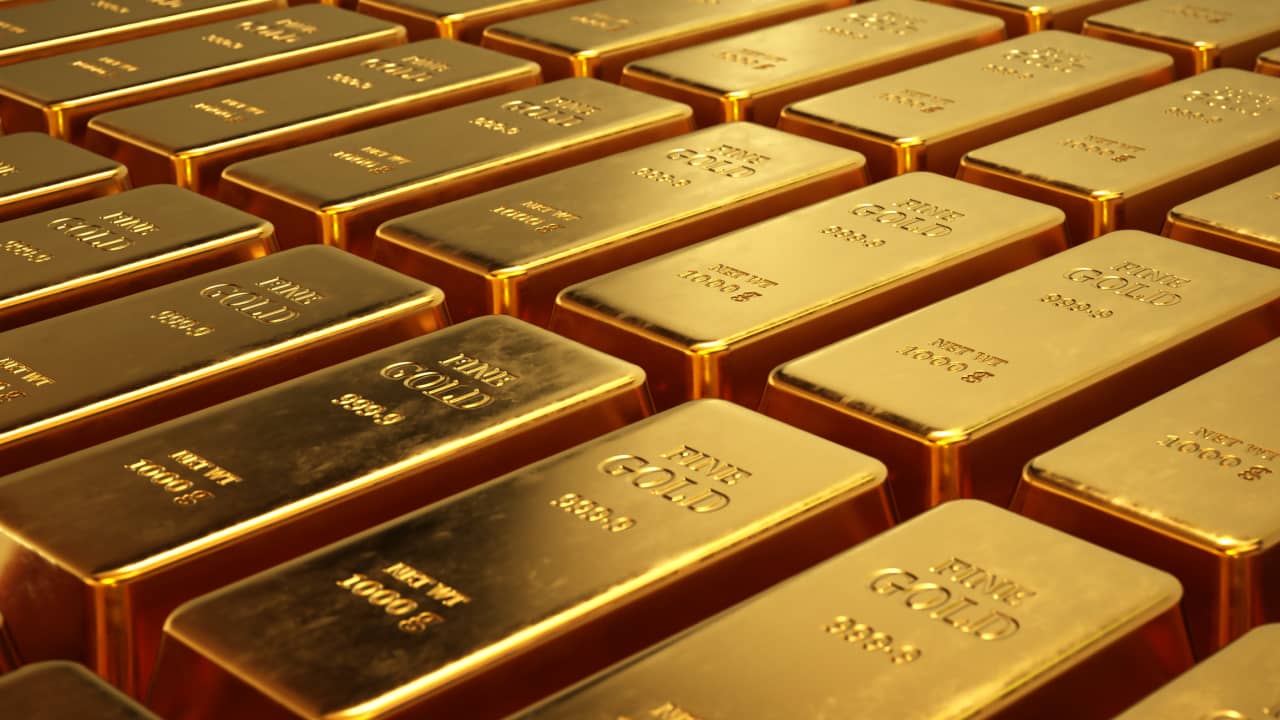
Gold's recent impressive market performance has sparked a crucial debate among financial analysts and market observers, who are challenging one of the precious metal's most enduring perceived attributes: its role as a reliable hedge against inflation. Despite experiencing what many describe as a "sensational run" in value, a growing body of analysis, according to reports, suggests that gold's upward trajectory may not consistently correlate with its effectiveness in preserving purchasing power during periods of rising prices. This re-assessment compels investors to look beyond conventional wisdom and critically examine the true drivers of gold's appeal, especially for those who traditionally allocate capital to the asset with the primary objective of safeguarding against the erosive effects of inflation on their wealth. The fundamental question now being posed by various market commentators is whether gold's current strength is a testament to its inflation-hedging capabilities or if other, perhaps more transient, factors are at play, necessitating a nuanced understanding of its utility in modern investment portfolios.
For centuries, gold has occupied a unique and revered position in the global financial landscape, widely regarded as the ultimate safe-haven asset and a steadfast store of value. This deeply ingrained belief stems from its inherent scarcity, durability, and its universal acceptance as a tangible asset, often seen as a bulwark against economic uncertainty and currency devaluation. Historically, investors have instinctively turned to gold during times of geopolitical turmoil, financial crises, and, most notably, when the specter of inflation loomed large, threatening to diminish the real value of fiat currencies and other paper assets. The conventional wisdom posits that as the cost of living rises and the purchasing power of money erodes, gold, by its very nature, would maintain or even enhance its value, thereby acting as a crucial shield for wealth. This long-standing reputation has cemented gold's place in many diversified portfolios as a strategic component intended to offer protection when traditional financial markets face headwinds, particularly those driven by inflationary pressures.
While the precious metal has undeniably been on what market commentators characterize as a "sensational run," exhibiting significant price appreciation over recent periods, reports from financial analysts indicate that this robust performance does not necessarily confirm its efficacy as a consistent inflation hedge. An asset truly functioning as an inflation hedge is expected to demonstrate a reliable and direct positive correlation with inflation rates, meaning its value should systematically increase in real terms as the general price level of goods and services rises, thereby preserving the investor's purchasing power. However, observations suggest that gold's recent gains might be more attributable to a confluence of other market forces, such as heightened global uncertainties, shifts in investor sentiment towards risk-off assets, or even speculative demand, rather than a direct, sustained, and predictable response to inflationary trends. This distinction is paramount for investors, as it challenges the fundamental premise under which many have historically included gold in their portfolios, urging a re-evaluation of its specific role and expected performance characteristics in an inflationary environment.
The emerging perspective that gold may not consistently serve as an effective inflation hedge carries profound implications for investment strategy and the principles of portfolio diversification. If the primary drivers of gold's recent "sensational run" are indeed factors other than its ability to offset inflation, then investors who have allocated significant portions of their capital to gold specifically for inflation protection may need to reassess their strategies. Financial analysts, according to reports, suggest that while gold undeniably retains its value as a potential safe haven during periods of extreme market volatility or geopolitical instability, and can act as a diversifier against equity market downturns, its specific utility as a direct and reliable antidote to inflationary pressures might be less consistent than commonly assumed. This encourages a more sophisticated and nuanced understanding of gold's role, prompting investors to scrutinize the various economic indicators and market dynamics that truly influence its price movements, rather than relying solely on its historical reputation as an all-encompassing inflation shield.
In summary, the current discourse surrounding gold presents a compelling dichotomy: an asset enjoying a period of remarkable market strength, yet simultaneously facing a critical re-evaluation of one of its most widely accepted and cherished attributes. While the "sensational run" of the precious metal is an undeniable market reality, reports from various financial analyses challenge the long-held conviction that this performance is consistently driven by its function as a reliable inflation hedge. This crucial distinction necessitates a deeper inquiry for investors, compelling them to understand the actual drivers of gold's value and its precise role within a well-constructed, diversified portfolio. As global economic conditions continue to evolve, market participants will undoubtedly maintain a close watch on gold's performance, seeking further clarity on whether its traditional reputation as the ultimate inflation shield can indeed withstand contemporary economic realities and the rigorous scrutiny of modern financial analysis.