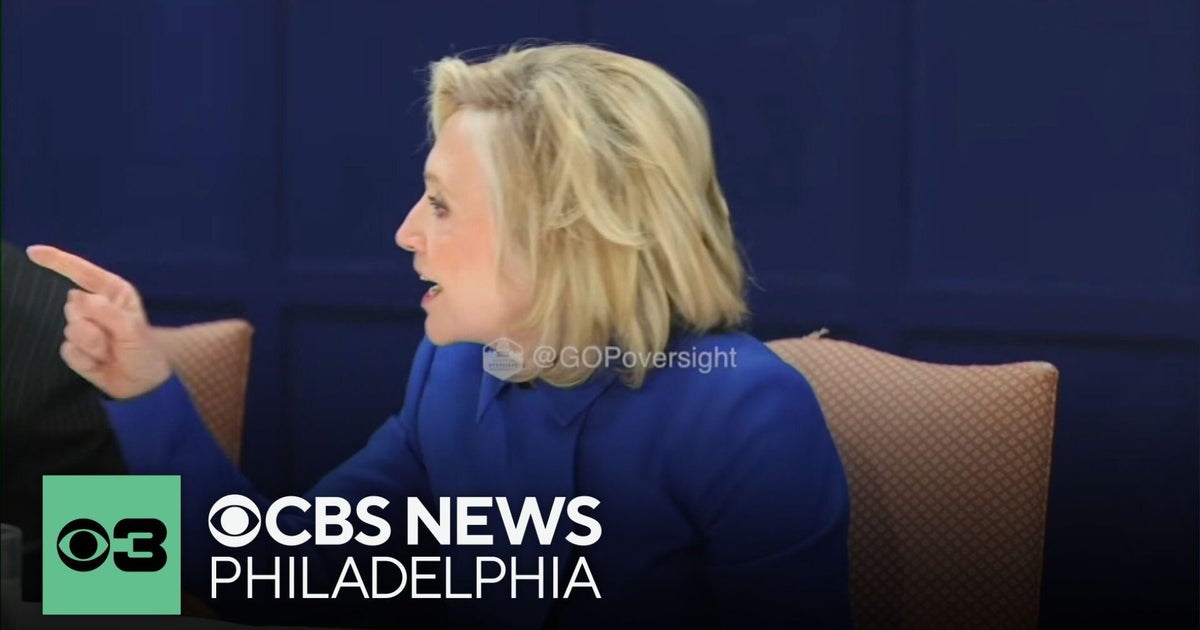
The political landscape witnessed a notable moment of tension recently, as newly unveiled video footage captured former Secretary of State Hillary Clinton expressing significant displeasure towards Representative Lauren Boebert of Colorado. The incident unfolded during a confidential House committee deposition, where both Hillary Clinton and former President Bill Clinton were reportedly answering questions pertaining to documents linked to the late financier Jeffrey Epstein. According to reports, the friction arose when Representative Boebert, a member of the committee, allegedly captured and subsequently disseminated a photograph of the former Secretary of State from within the ostensibly private proceedings. This public display of frustration by Hillary Clinton, documented in the recently released hours of video, highlights the often-strained dynamics within high-stakes congressional inquiries, particularly those involving figures of national prominence and subjects of intense public scrutiny like the Epstein files. The revelation of this interaction adds another layer to the ongoing public discourse surrounding the extensive investigations into Epstein's activities and his connections.
The depositions themselves are part of a broader, long-standing congressional effort to scrutinize the extensive network and activities associated with Jeffrey Epstein, whose controversial life and death have generated widespread public interest and numerous unanswered questions. For years, various committees and investigative bodies have sought to understand the full scope of Epstein's operations and the individuals connected to him, leading to calls for transparency and accountability. The involvement of prominent figures like the Clintons in these inquiries stems from their past associations, however tangential, with Epstein, prompting congressional committees to seek their testimony to gather comprehensive information. Closed-door sessions, such as the one in which this incident occurred, are typically designed to facilitate candid testimony without the immediate pressures of public performance, allowing for a more focused examination of sensitive matters. The subsequent release of video from such sessions, while offering transparency, can also inadvertently expose procedural breaches and personal disagreements that unfold behind closed doors.
The specific confrontation, as depicted in the recently released video, reportedly showed Hillary Clinton reacting strongly to Representative Boebert's actions. While the exact dialogue remains subject to full public review of the extensive footage, officials familiar with the proceedings indicated that Clinton's frustration was palpable, stemming directly from the alleged breach of protocol by the Colorado congresswoman. Taking photographs during a closed-door congressional deposition is widely considered a violation of established rules designed to maintain the integrity and confidentiality of the investigative process. Such rules are in place to ensure witnesses feel secure in providing testimony and to prevent the unauthorized dissemination of potentially sensitive information or images that could be taken out of context. Representative Boebert's decision to post an image from the session, as sources indicate, not only drew a sharp rebuke from the former Secretary of State but also raised questions about decorum and adherence to procedural guidelines within legislative bodies tasked with serious inquiries.
This incident, though seemingly a minor procedural infraction, carries broader implications for political conduct and the ongoing public perception of high-profile investigations. Experts in congressional ethics suggest that unauthorized photography in closed sessions can undermine the trust essential for effective legislative oversight and potentially deter future witnesses from cooperating fully. From a political standpoint, Representative Boebert's action could be interpreted in various ways: as a deliberate act of political theater aimed at generating attention, a challenge to the established norms of congressional conduct, or a genuine misjudgment of protocol. Conversely, Hillary Clinton's visible annoyance underscores the intense pressure and scrutiny faced by individuals testifying in such sensitive inquiries. The public release of this footage also serves as a reminder of how digital media can instantly transform private moments into public spectacles, influencing narratives and shaping opinions on critical issues like the Epstein investigations.
In conclusion, the recently unveiled video footage capturing Hillary Clinton's sharp reaction to Representative Lauren Boebert's alleged photo-taking during a closed-door deposition on Jeffrey Epstein files underscores the persistent tensions surrounding high-stakes congressional inquiries. This specific incident not only highlights the delicate balance between the public's demand for transparency and the necessity of maintaining procedural integrity within legislative bodies but also showcases the often-unseen political maneuvering that occurs behind closed doors. As the full scope of the Epstein investigations continues to unfold, such moments serve as vivid reminders of the intense personal and political pressures involved for all parties. Observers will likely continue to scrutinize the released footage for further insights into the content of the depositions themselves and the conduct of those involved, while the broader implications for congressional decorum, adherence to established rules, and the handling of sensitive information remain a subject of ongoing discussion and potential reform within the legislative process. The episode ultimately contributes to the complex narrative surrounding the Epstein saga, keeping public attention focused on accountability and the pursuit of justice.