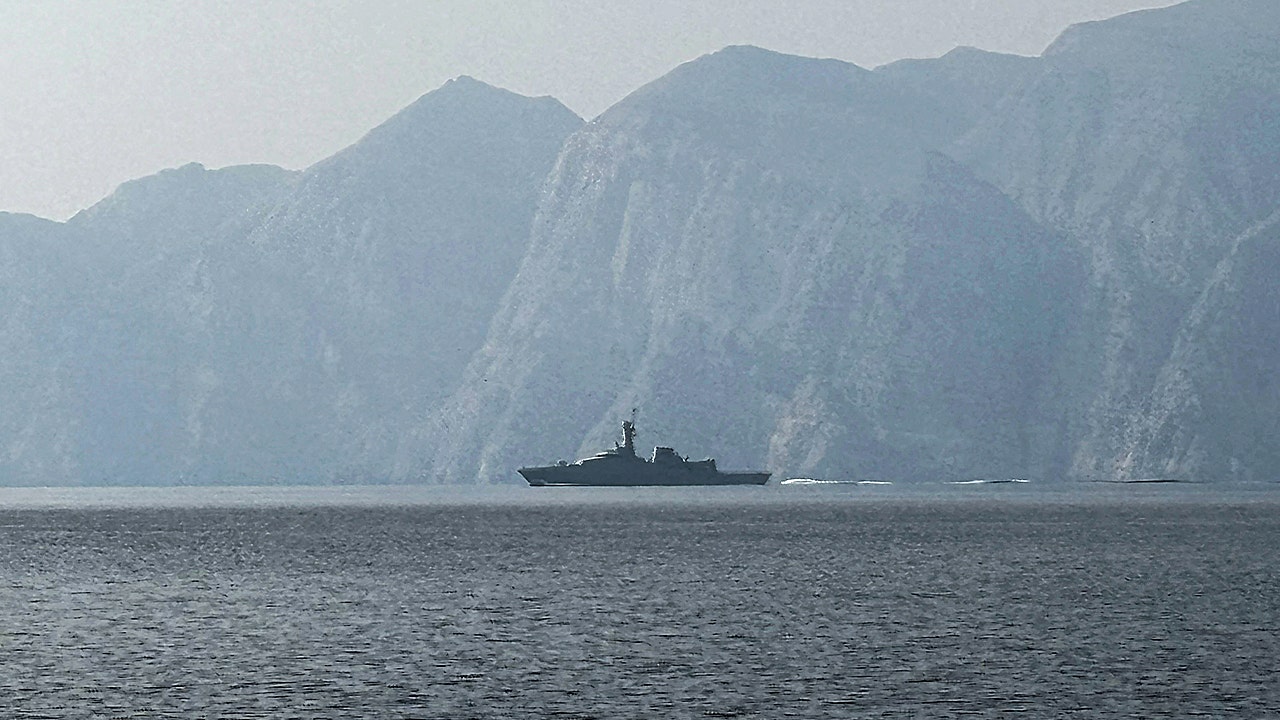
A significant escalation of tensions transformed the Strait of Hormuz into a volatile flashpoint on Sunday, following a series of U.S. and Israeli military actions against targets in Iran, conducted under the codename 'Operation Epic Fury.' Reports indicate that these strikes precipitated a surge in electronic warfare activities and multiple maritime incidents, described as 'attacks,' targeting commercial vessels navigating one of the world's most strategically vital energy transit routes. This sudden increase in regional instability comes on the heels of a stark warning issued by U.S. maritime authorities on February 28, which advised commercial shipping to steer clear of critical waterways including the Persian Gulf, Gulf of Oman, and the Arabian Sea, citing a dangerously elevated security risk. The advisory explicitly recommended that ships avoid these areas if feasible, underscoring the severe threats now facing international shipping in the region, with the United Kingdom Maritime Trade Operations (UKMTO) and other regional bodies confirming several incidents.
The Strait of Hormuz, a narrow passage connecting the Persian Gulf to the open ocean, is globally recognized as an indispensable conduit for a substantial portion of the world's oil and liquefied natural gas shipments. Its strategic importance renders any disruption a matter of international concern, with potential ramifications for global energy markets and supply chains. The recent advisory from U.S. maritime authorities, which preceded Sunday's events, highlighted the growing peril, urging vessels to maintain maximum distance from these key maritime arteries. Jakob P. Larsen, who leads maritime security efforts at BIMCO, a prominent shipping association, emphasized the gravity of the situation, stating that the Persian Gulf, the Strait of Hormuz, and adjacent waters currently represent the most hazardous environment for commercial shipping. According to Larsen, vessels operating within the Persian Gulf face direct threats from Iranian actions, prompting many to attempt to distance themselves from Iranian shores and, in some cases, actively seek to exit the Persian Gulf altogether to mitigate the perceived danger.
Specific incidents reported by the UKMTO and regional authorities on Sunday paint a vivid picture of the escalating threats. One vessel, situated west of Sharjah in the United Arab Emirates, experienced a significant jolt from an explosion caused by an unidentified projectile that detonated in close proximity. Separately, a tanker operating north of Muscat, Oman, sustained a direct hit above its waterline, which subsequently ignited a fire that crew members reportedly managed to bring under control. A third incident involved another vessel located northwest of Mina Saqr, UAE, which was also struck by a projectile, resulting in a blaze on board. Compounding these physical threats, maritime intelligence firm Windward has documented a significant surge in electronic warfare activities, including widespread interference with Global Positioning System (GPS) and Automatic Identification System (AIS) signals. This disruption has reportedly affected over 1,000 ships, particularly concentrated near Iran’s Bandar Abbas port, severely impacting navigation capabilities and raising concerns about maritime safety.
The dual nature of the current escalation, encompassing both kinetic attacks and sophisticated electronic warfare, presents a complex challenge for international shipping and regional stability. Experts suggest that the widespread GPS and AIS jamming could lead to navigation errors, collisions, and make vessels more vulnerable to further attacks or seizures, creating a 'fog of war' scenario on the high seas. This deliberate disruption of critical navigation systems, affecting over a thousand vessels, indicates a calculated effort to sow chaos and exert control over maritime traffic in the region. The broader context of these incidents, following reports of Iran firing missiles at U.S. bases across the Middle East after American strikes on Iranian nuclear and IRGC sites, points to a dangerous cycle of retaliation. This tit-for-tat escalation significantly heightens the risk of miscalculation, potentially drawing more regional and international actors into a wider conflict, with profound implications for global energy security and international trade routes that rely heavily on the Strait of Hormuz.
The immediate aftermath of these events underscores a dramatically heightened state of alert for all maritime operations in the Strait of Hormuz and surrounding waters. The combination of direct physical assaults on commercial shipping and pervasive electronic interference creates an unprecedented level of risk, as articulated by maritime security experts. Shipping companies and international naval forces are now faced with the urgent task of reassessing security protocols and potentially implementing new defensive measures to safeguard vessels and crews. The international community will be closely monitoring the situation for any further escalations or de-escalation efforts, as the stability of this vital waterway remains critical to global economic health. The coming days will likely reveal the extent of the damage, the precise attribution of the attacks, and the international response to what appears to be a rapidly deteriorating security environment in a region already fraught with geopolitical tensions.