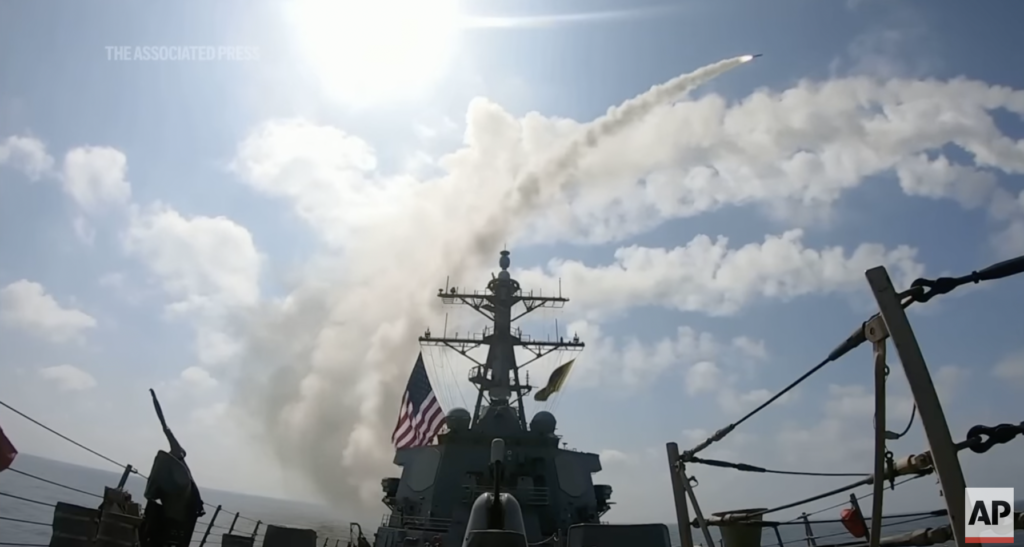
A recent aerial military campaign initiated by the United States and Israel against Iran has rapidly escalated geopolitical tensions, drawing immediate comparisons to a prior U.S. special forces operation in Venezuela. This new conflict, unfolding just over 72 hours after a positive assessment of the Venezuelan intervention, is widely viewed by observers as significantly more intricate and expansive in scope. While the earlier mission to apprehend Venezuelan leader Nicolás Maduro was lauded by some as a strategic masterstroke addressing concerns related to oil, China, and immigration, and simultaneously criticized by others as an unnecessary foray into regime change, the current confrontation with Iran is anticipated to have far more profound and enduring global ramifications. Commentators are urging a nuanced perspective, cautioning against both premature celebrations of victory and overly pessimistic predictions, emphasizing the inherent unpredictability and potential for unforeseen consequences in such large-scale military engagements. The scale and multifaceted nature of the current hostilities suggest a protracted period before their full impact can be accurately assessed, demanding careful consideration from all stakeholders.
The backdrop for understanding the current situation in Iran involves a recent U.S. special forces deployment into Venezuela, which aimed to capture the nation's leader, Nicolás Maduro. This operation initially sparked a polarized international reaction. Some analysts quickly hailed it as a brilliant display of strategic foresight, a calculated move to protect American interests across various domains, including energy resources, regional influence, and migration patterns. Conversely, an equally vocal contingent condemned the action as an unwarranted intervention, characterizing it as a dangerous precedent for regime change. However, more measured voices at the time acknowledged the exceptional tactical execution of the raid, alongside the United States' inherent right to safeguard its national interests. These observers also stressed the necessity of allowing sufficient time for the broader geopolitical implications of such a significant action to unfold. After approximately two months, the Venezuela operation was largely deemed a success, though questions persisted regarding the long-term commitment and operational structure for managing the country's future. This earlier event set a precedent for cautious optimism, a sentiment now being re-evaluated in the context of the much larger-scale conflict with Iran.
The current military action targeting Iran, spearheaded by the United States and Israel, is perceived by many experts as vastly exceeding the scale and complexity of the earlier Venezuelan operation. While the capture of Maduro was noted for its precise and effective tactical execution, the ongoing air war against Iran is described as significantly more intricate and broad-ranging. Analysts suggest that the potential outcomes, whether favorable or adverse, are expected to be far more extensive and impactful globally than those observed following the intervention in Venezuela. Unlike the relatively contained and swiftly executed mission in South America, the conflict with Iran is anticipated to unfold over a considerably longer duration, with its full effects taking an extended period to materialize. This heightened complexity stems from Iran's regional influence, its military capabilities, and the intricate web of alliances and rivalries in the Middle East, all of which contribute to a far more unpredictable and potentially destabilizing scenario compared to the previous engagement.
In the wake of the U.S.-Israel air campaign against Iran, a spectrum of analytical perspectives has emerged, reflecting the deep divisions and uncertainties surrounding the conflict. For those inclined towards a pessimistic outlook, often termed 'blackpilling' by some commentators, it is important to consider the track record of President Donald Trump's foreign policy decisions, which some argue have earned a degree of trust. Furthermore, there are numerous rational, non-extremist justifications that could underpin an American interest in military action against Iran, according to various strategic assessments. Conversely, individuals who are already envisioning a swift victory parade are urged to temper their enthusiasm with a thoughtful consideration of the inherent risks and unpredictable nature of warfare. Historical precedents, particularly those drawn from previous conflicts in the Middle East, serve as stark reminders of the potential for unforeseen consequences and protracted engagements. Expert perspectives consistently highlight the volatile dynamics of the region, emphasizing that initial military successes do not always translate into stable or desirable long-term political outcomes, necessitating a balanced and cautious approach to evaluating the conflict's trajectory.
As the air war against Iran progresses, the imperative for a balanced and informed public discourse remains paramount. Observers emphasize the need to avoid both undue alarmism and premature triumphalism, advocating instead for a perspective grounded in the complex realities of international conflict. Regardless of individual viewpoints on the strategic merits or ethical implications, a unified sentiment of support and gratitude for American service members is widely encouraged, acknowledging the profound personal risks they undertake to safeguard national interests. Furthermore, a critical awareness of the information landscape is crucial, as many online discussions often lack expert insight or factual basis. The long-term implications of this conflict are expected to be far-reaching and will require sustained attention to truly understand its impact on global stability, regional power dynamics, and the lives of countless individuals. Monitoring the evolving situation with a discerning eye, informed by credible sources and expert analysis, will be essential in the coming months and years.