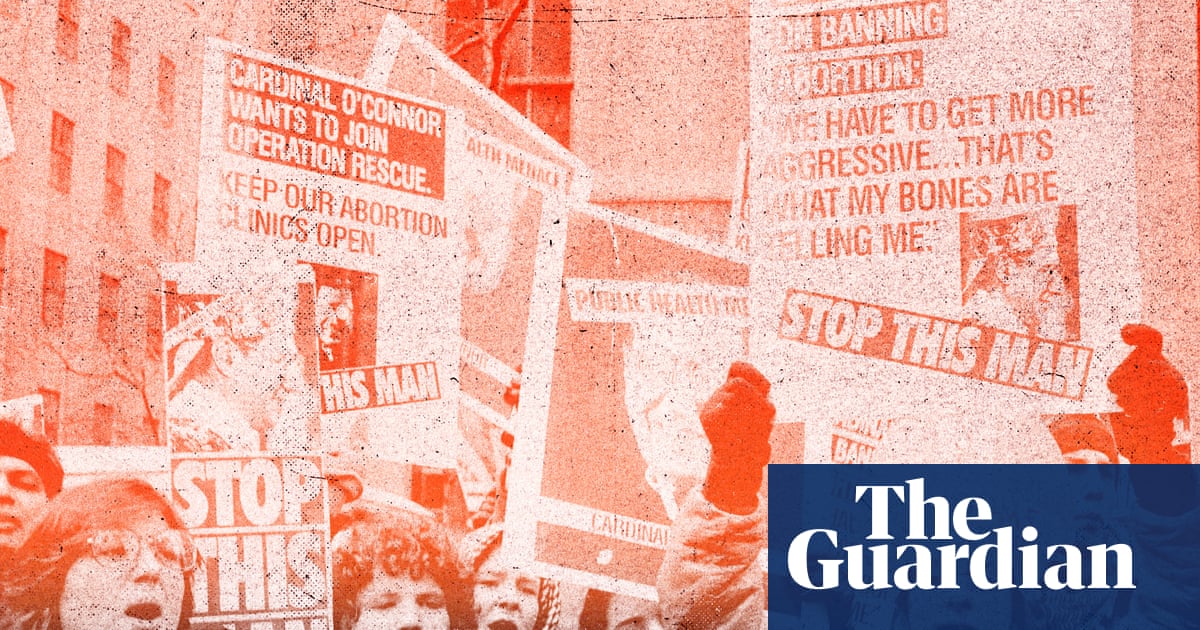
A contentious incident earlier this year in St. Paul, Minnesota, has ignited a significant national discussion regarding the boundaries of public dissent and governmental authority. Dozens of activists disrupted a religious service at Cities church on January 18, vocally demanding the resignation of a pastor who concurrently holds a leadership role within a regional Immigration and Customs Enforcement (ICE) facility. The demonstrators chanted slogans such as “ICE out” and “Hands up, don’t shoot!” during the interruption. However, the controversy escalated beyond the protest itself when reports emerged indicating that officials within the Trump administration are reportedly leveraging a 1994 statute, described by some as a 'nuclear option,' to pursue legal action against both the protesters and journalists covering the event. This move has drawn sharp criticism, with numerous observers contending that the administration has potentially overstepped its legal mandate in its response to the demonstration.
The confrontation at Cities church unfolded amidst a broader national conversation about immigration policy and the appropriate venues for expressing political grievances. The specific target of the protest, a pastor with an active role in a local ICE office, highlighted the complex intersection of faith, community leadership, and government enforcement. Demonstrators aimed to draw attention to what they perceived as an unacceptable conflict of interest, using the church service as a platform for their message. Following the incident, the church released a statement asserting that the protesters had caused distress among children present and fostered an atmosphere characterized by intimidation and threats. This account, coupled with the nature of the disruption, fueled a fierce and ongoing debate among religious leaders, political figures, and the public regarding whether places of worship should be considered legitimate arenas for such forms of public protest and activism.
Central to the escalating controversy is the reported application of a specific 1994 federal law by the Trump administration. While the precise details of the statute’s provisions were not extensively elaborated in initial reports, critics have characterized its deployment in this context as an extreme measure, likening it to a 'nuclear option' due to its perceived severity and potential implications. According to these critics, the administration's reported intent to utilize this particular legislation against individuals participating in the protest, as well as members of the press documenting it, represents a significant overreach of executive power. This approach, observers suggest, could establish a concerning precedent for how future acts of civil disobedience are handled, particularly when they occur within or near religious institutions. The church's official communication further underscored the gravity of the situation, detailing how the activists' actions allegedly created a scene marked by fear and menace, particularly impacting younger attendees.
Legal scholars and civil liberties advocates have begun to weigh in on the implications of the administration's reported strategy, expressing significant concerns about its potential chilling effect on fundamental rights. The use of a robust 1994 law, especially one described as a 'nuclear option,' against protesters and journalists raises serious questions about freedom of speech, the right to assembly, and press freedoms in the United States. Experts suggest that such aggressive legal action could deter legitimate protest and investigative reporting, thereby undermining democratic principles. The debate extends beyond the immediate legal ramifications, touching upon the delicate balance between protecting the sanctity and peace of religious services and upholding the constitutional rights of citizens to express dissent. This development is viewed by many as a critical test of the boundaries of governmental power in responding to public demonstrations, particularly in a politically charged climate surrounding issues like immigration.
The incident at Cities church and the subsequent governmental response have crystallized a multifaceted debate concerning the appropriate limits of protest, the protection of religious institutions, and the scope of executive authority. As critics continue to voice alarm over the reported application of the 1994 law, the situation underscores the ongoing tension between maintaining public order and safeguarding civil liberties. Future developments will likely hinge on the specific legal actions pursued by the administration and the judicial interpretations that follow. This evolving scenario will undoubtedly continue to be a focal point for discussions on free expression, the role of independent journalism, and the extent to which the government can employ powerful statutes in response to acts of public dissent, particularly those occurring in sensitive community spaces.