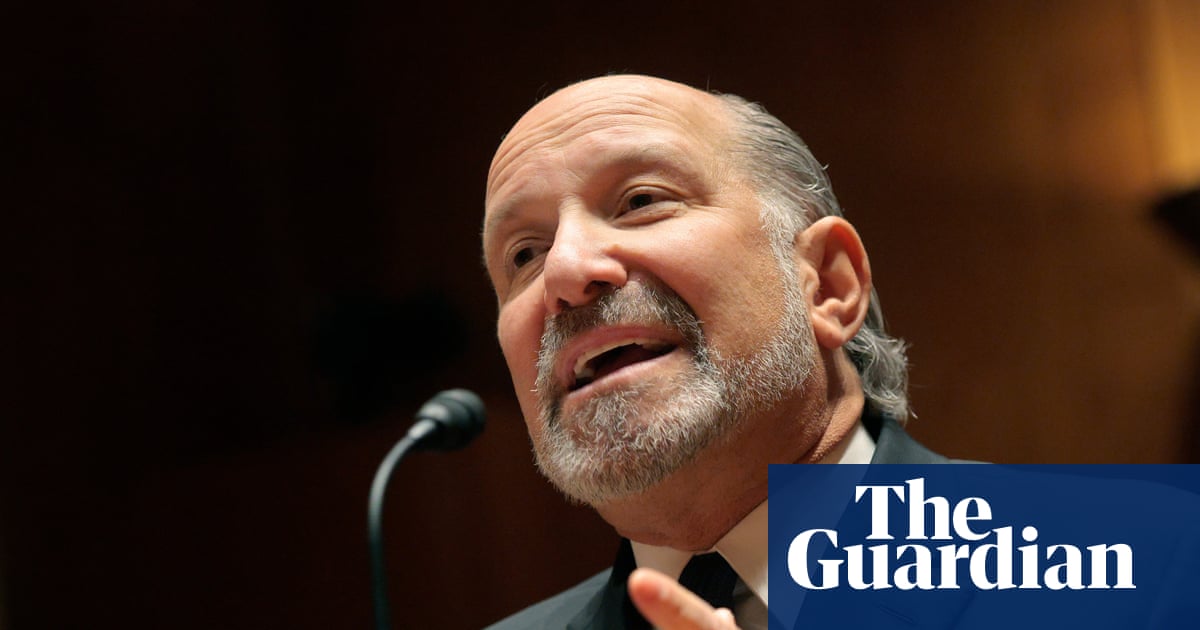
United States Commerce Secretary Howard Lutnick is currently facing a significant escalation of public and political examination concerning his historical associations with the late, convicted sex offender Jeffrey Epstein. This renewed scrutiny has been triggered by the re-emergence of a photograph on the official website of the Justice Department, which reportedly captures Secretary Lutnick alongside Epstein on the financier's private island. This development has swiftly prompted calls for greater transparency from legislative figures across both prominent political parties. Specifically, Democratic Senators Chris Van Hollen of Maryland and Jeff Merkley of Oregon have taken formal steps, requesting that Secretary Lutnick provide comprehensive testimony regarding these connections. The reappearance of this image on a government platform has amplified existing questions about the extent and nature of Lutnick's relationship with Epstein, placing the Commerce Secretary under considerable pressure to address these concerns publicly and thoroughly. The bipartisan nature of the demands underscores the gravity of the situation, indicating a broad consensus within Congress that these past ties warrant immediate and transparent clarification from a high-ranking government official.
The intensified focus on Secretary Lutnick's past associations is set against the grim backdrop of Jeffrey Epstein's extensive and widely publicized criminal activities, which involved the sexual abuse and trafficking of underage girls. Epstein's private island, often referred to as "Little St. James" or "Pedophile Island" in media reports, became notorious as a location where many of these illicit activities allegedly occurred, making any association with it a significant point of public concern. Following Epstein's arrest in 2019 and subsequent death while awaiting trial, a wave of investigations and public revelations brought to light the vast network of influential individuals with whom he maintained connections. High-profile figures from various sectors, including politics, finance, and entertainment, have faced intense scrutiny over their relationships with Epstein, with many experiencing severe reputational damage or career repercussions. The public and political expectation is that any individual holding a position of significant public trust, such as a cabinet secretary, must demonstrate complete transparency regarding any past dealings with a figure of Epstein's infamy, particularly when those dealings involve locations central to his criminal enterprise. This historical context explains the immediate and forceful reaction from lawmakers and the public to the re-emergence of the photograph.
The re-surfacing of the photograph on the Justice Department's official website has lent an undeniable air of official validation to the image, transforming it from a mere circulating photo into a piece of evidence acknowledged by a federal agency. This official placement has undoubtedly contributed to the heightened urgency of the demands for accountability. According to reports, the image distinctly shows Secretary Lutnick in the company of Jeffrey Epstein on the latter's private island, a detail that directly links the Commerce Secretary to a location deeply implicated in Epstein's criminal network. The formal request for testimony from Democratic Senators Van Hollen and Merkley signifies a serious legislative inquiry, moving beyond mere public speculation. These lawmakers are reportedly seeking a comprehensive account from Lutnick, aiming to understand the full scope, duration, and nature of his interactions with Epstein. The bipartisan nature of the calls for transparency, as indicated by the source material, suggests that the concerns transcend partisan divides, reflecting a collective desire within Congress to ensure that all government officials are held to the highest ethical standards, especially concerning associations with convicted criminals of Epstein's caliber. The specific details Lutnick might be asked to provide could range from the context of the photograph to the purpose of his visit to the island and any subsequent interactions.
The renewed focus on Secretary Lutnick's past connections to Jeffrey Epstein carries significant implications for his standing within the current administration and his broader political future. As a high-ranking cabinet member, Lutnick is expected to uphold impeccable ethical standards, and any perceived association with Epstein, particularly one evidenced by a photograph on a government website, can severely undermine public trust. Political analysts suggest that the bipartisan demand for transparency indicates that this issue is unlikely to fade quickly, potentially leading to prolonged questioning and public debate. The re-emergence of such an image serves as a potent reminder that the shadow of the Epstein scandal continues to affect numerous individuals, regardless of their current positions of power. For Secretary Lutnick, navigating these inquiries will require a delicate balance of disclosure and defense, as any misstep could further exacerbate the situation. The incident also highlights the enduring power of digital evidence, even years after the fact, to reignite controversies and compel public officials to confront their past. The administration itself might face pressure to address these concerns, as the conduct of its cabinet members inevitably reflects upon the executive branch as a whole. The outcome of this scrutiny could set a precedent for how past associations with controversial figures are handled for future high-level appointments.
In summary, United States Commerce Secretary Howard Lutnick is currently facing intense public and political pressure following the reappearance of a photograph depicting him with Jeffrey Epstein on the late financier's infamous private island. This development, particularly its presence on the Justice Department's official website, has catalyzed bipartisan demands from lawmakers, including Senators Chris Van Hollen and Jeff Merkley, for Lutnick to provide comprehensive testimony. The incident underscores the enduring impact of the Epstein scandal and the unwavering public and political expectation for transparency and accountability from high-ranking government officials regarding their past associations. As the situation unfolds, all eyes will be on Secretary Lutnick's response to these calls for testimony and any further details that may emerge. The ongoing scrutiny serves as a critical test of governmental ethics and transparency, with the potential to shape perceptions of accountability for public figures entangled in historical controversies. The resolution of this matter will likely have lasting implications for Secretary Lutnick's career and the broader discourse surrounding integrity in public service.