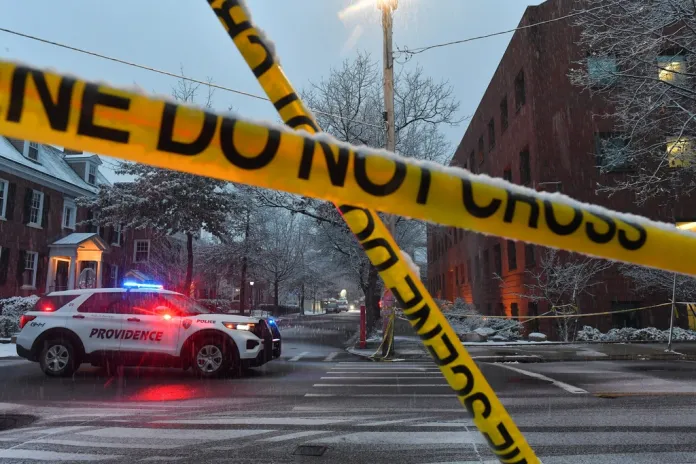
A recent fatal stabbing at a Fairfax bus stop has drawn considerable attention to the alleged assailant's extensive criminal background and immigration status, triggering widespread public and political condemnation. Abdul Jalloh, 32, stands accused of the homicide of Stephanie Minter, 41, an incident that occurred earlier this week. Following his swift apprehension after Ms. Minter's body was discovered, officials from the Department of Homeland Security (DHS) revealed that Jalloh is an undocumented immigrant who entered the United States from Sierra Leone. According to reports from DHS, Jalloh possesses a lengthy history with law enforcement, having been taken into custody and subsequently released on more than three dozen separate occasions for various alleged infractions. This disclosure has intensified scrutiny on both local criminal justice protocols and federal immigration enforcement policies, leading to sharp criticism from multiple sectors concerning public safety and accountability within the system.
The information surrounding Abdul Jalloh's past, as disclosed by Department of Homeland Security officials to various news organizations, paints a deeply concerning picture. His documented record reportedly includes upwards of thirty prior arrests and subsequent releases, encompassing a range of serious accusations such as rape, malicious wounding, numerous counts of assault, identity theft, contributing to the delinquency of a minor, and pick-pocketing. This extensive history of alleged criminal activity, combined with his status as an undocumented immigrant, prompts profound inquiries into the effectiveness of existing legal and immigration enforcement frameworks. The repeated detentions and subsequent releases of an individual with such a significant criminal record highlight a complex dynamic between local law enforcement agencies, judicial practices, and federal immigration authorities, initiating a broader dialogue on how individuals with similar backgrounds are managed within the justice system and whether adequate safeguards are in place to prevent future offenses.
The tragic incident and the subsequent revelations regarding Jalloh's background have rapidly ignited a fervent debate across the nation. Details provided by Department of Homeland Security officials underscore the gravity of the situation, indicating that the alleged perpetrator's interactions with the justice system were frequent and involved serious charges. The fact that an individual accused of such a violent crime had been arrested and released over thirty times for offenses ranging from violent assaults to identity theft, while also being an undocumented immigrant, has become a central point of contention. Critics are questioning the mechanisms that allowed such a pattern to persist, demanding explanations for what they perceive as systemic failures in both criminal justice and immigration enforcement. This situation has brought to the forefront concerns about the coordination, or lack thereof, between different levels of government agencies responsible for public safety and immigration oversight.
Observers and critics are now grappling with the broader implications of this case, particularly concerning the efficacy of current legal and immigration enforcement frameworks. The repeated arrests and releases of an individual with a history of serious alleged crimes, coupled with an undocumented immigration status, raise significant questions about public safety and accountability. Experts suggest that the incident highlights potential gaps in the interplay between local law enforcement, which typically handles arrests for state crimes, and federal immigration authorities, who are responsible for immigration enforcement. The challenge lies in determining whether sufficient measures are in place to identify and manage individuals with extensive criminal records, especially those who are not legally present in the country, to prevent future offenses. This tragic event serves as a stark reminder of the complex policy debates surrounding immigration enforcement, judicial discretion, and the paramount goal of protecting communities.
In summary, the fatal stabbing of Stephanie Minter in Fairfax, allegedly by Abdul Jalloh, an undocumented immigrant with more than 30 prior arrests, has exposed critical vulnerabilities within the nation's justice and immigration systems. The revelations from Department of Homeland Security officials have fueled a significant public and political outcry, demanding a thorough examination of how individuals with extensive criminal histories and undocumented status are managed. This incident has intensified the ongoing debate about the effectiveness of current enforcement policies and the coordination between local and federal agencies. Moving forward, the case is expected to continue prompting discussions on public safety, accountability, and potential reforms to prevent similar tragedies, with stakeholders closely watching for responses from both judicial and immigration authorities.