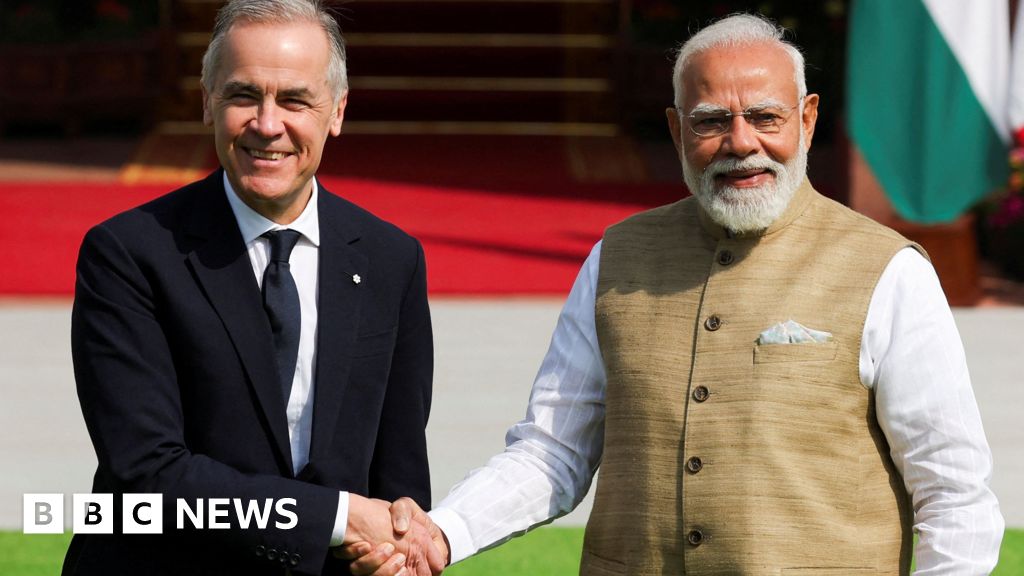
India and Canada have unveiled a series of significant agreements, prominently featuring a 10-year accord on nuclear energy cooperation. This development follows a high-level meeting in Delhi between Indian Prime Minister Narendra Modi and Canadian Prime Minister Mark Carney, aimed at revitalizing bilateral relations that had previously deteriorated due to considerable diplomatic friction. Beyond the pivotal nuclear deal, the two nations also forged consensus across various critical sectors, including advancements in technology, access to vital critical minerals, collaborative efforts in space exploration, strengthening defence ties, and enhancing educational exchanges. Officials indicated that these discussions mark a concerted effort to mend strained ties and foster a more collaborative future, with the nuclear energy pact standing out as a cornerstone of this renewed engagement, signaling a mutual commitment to long-term strategic partnership and energy security, according to joint statements issued after the summit.
The recent diplomatic thaw comes after a period of severe strain that saw relations between Ottawa and Delhi plummet to an unprecedented low. The significant downturn was primarily triggered by allegations made by Prime Minister Carney’s predecessor, Justin Trudeau, who in 2023 publicly linked the Indian government to the assassination of Sikh separatist leader Hardeep Singh Nijjar on Canadian soil. These serious accusations were vehemently denied by India, leading to a rapid escalation of tensions. The diplomatic fallout resulted in both countries expelling each other's diplomats and a temporary suspension of visa services, effectively bringing trade and diplomatic interactions to a near standstill. This challenging period underscored the fragility of the relationship, despite Canada being home to a substantial expatriate Indian community, whose connections often serve as a vital bridge between the two nations. The current administration's efforts to rebuild trust have been a slow but deliberate process, aiming to move past the contentious issues that had previously overshadowed their shared interests.
Since Prime Minister Carney assumed office, a cautious but determined effort has been underway to reconstruct the bilateral relationship. A key factor in this rebuilding process, according to Canadian government statements, is the administration's current assessment that India is not presently implicated in violent criminal activities or threats within Canadian territory. This revised stance has reportedly helped pave the way for renewed dialogue and cooperation. However, this assertion has not gone unchallenged within Canada. Reports indicate that some voices, including a Liberal Member of Parliament from Prime Minister Carney's own party and various members of the Sikh diaspora residing in Canada, have expressed skepticism. These individuals maintain their belief that they continue to be targets of actions originating from India, underscoring persistent concerns within certain segments of the Canadian population despite official reassurances. Furthermore, both national leaders expressed a shared ambition to finalize a comprehensive free trade agreement by the close of 2026, a pact that has been under negotiation for many years. This economic initiative is reportedly driven by a mutual desire to lessen their respective vulnerabilities to punitive trade tariffs imposed by the United States, thereby diversifying their trade relationships and enhancing economic resilience.
The comprehensive nature of the agreements, particularly the 10-year nuclear energy deal and the renewed commitment to a free trade agreement, signals a strategic pivot for both India and Canada. Experts suggest that by diversifying their partnerships in critical sectors like energy, technology, and defence, both nations are actively seeking to strengthen their geopolitical standing and economic independence. The push for a free trade deal, specifically aimed at reducing exposure to U.S. trade tariffs, highlights a broader trend among nations to build more resilient supply chains and trade networks in an increasingly protectionist global environment. This diplomatic reset, while significant, also faces ongoing challenges, particularly the lingering distrust among certain segments of the Canadian population regarding India's alleged activities. The ability of Prime Minister Carney's government to navigate these internal concerns while fostering closer ties with India will be crucial for the long-term success and stability of this renewed partnership. The agreements could unlock substantial economic opportunities and technological advancements for both countries, provided the underlying diplomatic tensions are effectively managed and trust continues to be rebuilt.
In summary, the recent Delhi summit between India and Canada marks a pivotal moment in their bilateral relations, culminating in a landmark 10-year nuclear energy agreement and a renewed commitment to a free trade deal by 2026. These accords, alongside cooperation in technology, critical minerals, space, defence, and education, represent a concerted effort to move past a period of severe diplomatic strain. While the Canadian government has indicated a belief that India is not currently linked to threats on its soil, some internal skepticism persists, particularly within the Sikh diaspora. The success of this diplomatic reset will hinge on the sustained rebuilding of trust and the effective management of lingering concerns. Observers will closely watch the progression of the free trade negotiations and how both nations address internal and external perceptions to solidify this cautiously optimistic new chapter in their relationship.