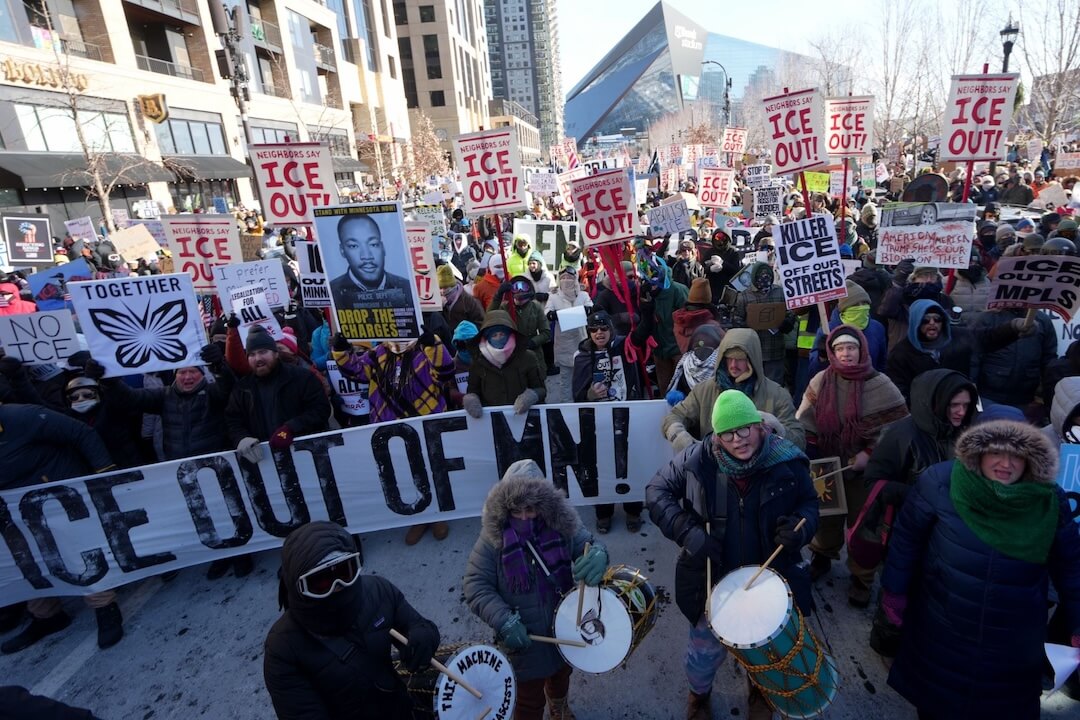
The Star Tribune has garnered significant attention for its comprehensive and deeply personal reporting on the extensive immigration enforcement operations that commenced in Minneapolis in January 2026. These operations saw approximately 4,000 federal agents descend upon the Twin Cities, triggering widespread national concern and local upheaval. The narrative took a tragic turn on January 7, when Renee Good, a poet and mother of three, was fatally shot by a U.S. Immigration and Customs Enforcement agent, according to reports. Just two weeks later, Alex Pretti, an ICU nurse, also lost her life after being shot by a Border Patrol agent. These devastating incidents, coupled with ongoing protests, propelled the story into the national spotlight, yet its most profound impact was felt within the local communities of Minnesota, particularly Minneapolis, where the Star Tribune's coverage has been lauded for its thoroughness, insight, and profound sensitivity, as highlighted in a recent discussion on The Poynter Report Podcast with Star Tribune CEO Steve Grove.
The backdrop to the Star Tribune's acclaimed coverage is a period of intense crisis for the Twin Cities. The arrival of thousands of federal agents in early 2026 marked the beginning of a large-scale immigration enforcement campaign, which quickly escalated into a major national news event. This surge in federal presence led to widespread community fear and significant public demonstrations, drawing attention to the complexities and human costs of immigration policy. The tragic deaths of Renee Good and Alex Pretti, both attributed to federal agents during these operations, according to various accounts, amplified the urgency and emotional weight of the situation. These fatalities transformed an already significant story into one that resonated across the nation, while simultaneously creating an intensely localized crisis for the residents of Minneapolis and the broader Minnesota region, demanding a nuanced and empathetic journalistic response from local news outlets.
The Star Tribune's approach to reporting on these highly charged events has been characterized by a unique blend of journalistic rigor and profound human empathy. According to insights shared by Star Tribune CEO and publisher Steve Grove on The Poynter Report Podcast, the newspaper has consistently delivered coverage described as thorough, insightful, sensitive, moving, fair, and exceptionally personal. This personal dimension stems from the fact that many of the journalists covering these operations are reporting on events unfolding in their own neighborhoods. They are documenting incidents occurring in the communities where they reside, where they grew up, where their children attend school, and where they conduct their daily lives, such as grocery shopping. This proximity means the story is, in many fundamental ways, about their own lives and the fabric of their immediate communities, fostering a deeper, more intimate understanding of the unfolding crisis.
The deeply personal connection between Star Tribune journalists and the events they are covering presents both unique challenges and significant advantages for local reporting. While maintaining objectivity is always paramount, covering a story that directly impacts one's own community can foster an unparalleled level of empathy and understanding, potentially leading to more nuanced and human-centered narratives. This contrasts sharply with the often more detached perspective of national media outlets, which may lack the intimate knowledge of local dynamics and community sentiment. The Star Tribune's experience underscores the critical role of local journalism in times of crisis, demonstrating how reporters embedded within their communities can provide an invaluable service by reflecting the lived experiences of their neighbors, thereby offering a more authentic and impactful account of events that resonate deeply with the affected population and inform the wider public.
In conclusion, the Star Tribune's extensive and sensitive reporting on the 2026 Minneapolis immigration enforcement operations stands as a testament to the vital role of local journalism. The paper's ability to deliver thorough, insightful, and deeply personal coverage, particularly in the face of tragic events like the deaths of Renee Good and Alex Pretti, has provided an essential public service. The unique challenges and strengths derived from journalists covering their own communities have allowed for a narrative that is both factual and profoundly human. As the Twin Cities continue to grapple with the aftermath of these operations, the Star Tribune's ongoing commitment to this story will remain crucial for informing its readership and reflecting the enduring impact on the community.