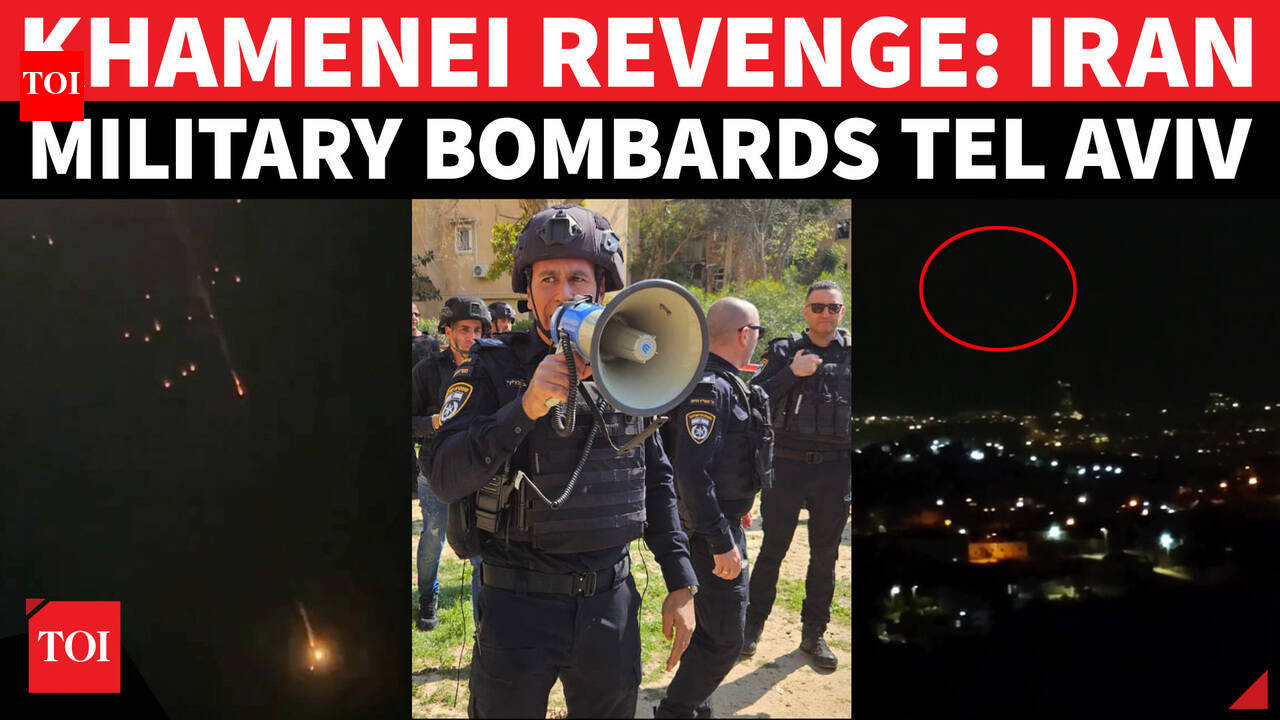
A significant escalation in regional hostilities has been reported in Erbil, Iraq, where an umbrella organization identifying itself as the "Islamic Resistance" has claimed responsibility for a large-scale drone assault. According to recent reports, this Iran-aligned group launched a total of 23 unmanned aerial vehicles targeting various United States facilities within the city, specifically mentioning the American consulate and Erbil International Airport. Iraqi sources have indicated that some of these drones were successfully intercepted prior to reaching their intended targets, mitigating potential damage. The group asserted that these attacks were carried out in direct retaliation for the killing of Iran's supreme leader, an event that has significantly heightened tensions across the Middle East. This incident marks a perilous turn in the ongoing regional conflict, raising serious concerns that Iraq could become a primary battleground in a widening confrontation, further destabilizing an already volatile area.
The latest drone attack in Erbil unfolds against a backdrop of increasing regional instability and a long history of friction involving Iran-backed groups and U.S. interests in Iraq. The presence of U.S. forces in the region, primarily aimed at counter-terrorism operations, has frequently drawn the ire of various Iran-aligned militias. These factions, which reportedly include elements within the Popular Mobilization Forces (PMF), have become increasingly active, contributing to a complex security landscape. Erbil, the capital of Iraq's Kurdistan Region, hosts a significant U.S. diplomatic and military presence, making it a recurring flashpoint. The reported motivation for this particular assault—retaliation for the killing of Iran's supreme leader—underscores the deep-seated grievances and the tit-for-tat nature of the conflict, suggesting that actions against high-profile Iranian figures are likely to provoke a strong response from their regional proxies, thereby perpetuating a dangerous cycle of violence and escalation.
Specific details emerging from the incident highlight the scale and precision of the coordinated drone operation. The "Islamic Resistance" group explicitly claimed the launch of 23 drones, a substantial number indicative of a sophisticated attack capability. The targeting of critical infrastructure such as the American consulate and Erbil International Airport suggests an intent to disrupt operations and project power against U.S. assets. While Iraqi sources confirmed that additional drones were intercepted, preventing further impacts, the sheer volume of the attack underscores the persistent threat posed by these groups. Beyond targeting U.S. facilities, reports also indicate that Kurdish dissident sites have increasingly become targets, further complicating the security situation in the Kurdistan Region. This broader pattern of attacks, categorized under "Operation Epic Fury" by some observers, points to a concerted effort by Iran-backed militias to exert influence and challenge the existing regional order, intensifying the already precarious geopolitical climate.
Analysts are closely examining the implications of this latest drone assault, viewing it as a critical indicator of escalating regional tensions. The direct targeting of U.S. facilities in Erbil by an Iran-aligned group, particularly with such a large number of drones, signifies a dangerous shift in tactics and a willingness to engage in more overt confrontations. Experts suggest that this incident significantly elevates the risk of Iraq transforming into a new frontline in a broader regional conflict, potentially drawing U.S. forces into direct engagements with these militias. The reported retaliatory motive for the attack suggests a calculated response to perceived aggressions against Iranian leadership, indicating that a cycle of escalation could be difficult to break. This situation not only jeopardizes the stability of Iraq but also poses a substantial threat to wider Middle Eastern security, demanding careful diplomatic and strategic responses to prevent an all-out regional conflagration.
In summary, the recent drone attack on U.S. facilities in Erbil, claimed by the Iran-aligned "Islamic Resistance" group, represents a significant and dangerous escalation in the Middle East. With 23 drones reportedly launched and some intercepted by Iraqi forces, the incident underscores the growing capabilities and assertiveness of these militias. The stated motive of retaliation for the killing of Iran's supreme leader signals a deepening cycle of violence. As tensions mount and Iranian-backed groups intensify their activities, the risk of Iraq becoming a central theater in a wider regional war is increasingly palpable. The international community will be closely watching for further developments and potential responses from all involved parties, as the region teeters on the brink of broader conflict.