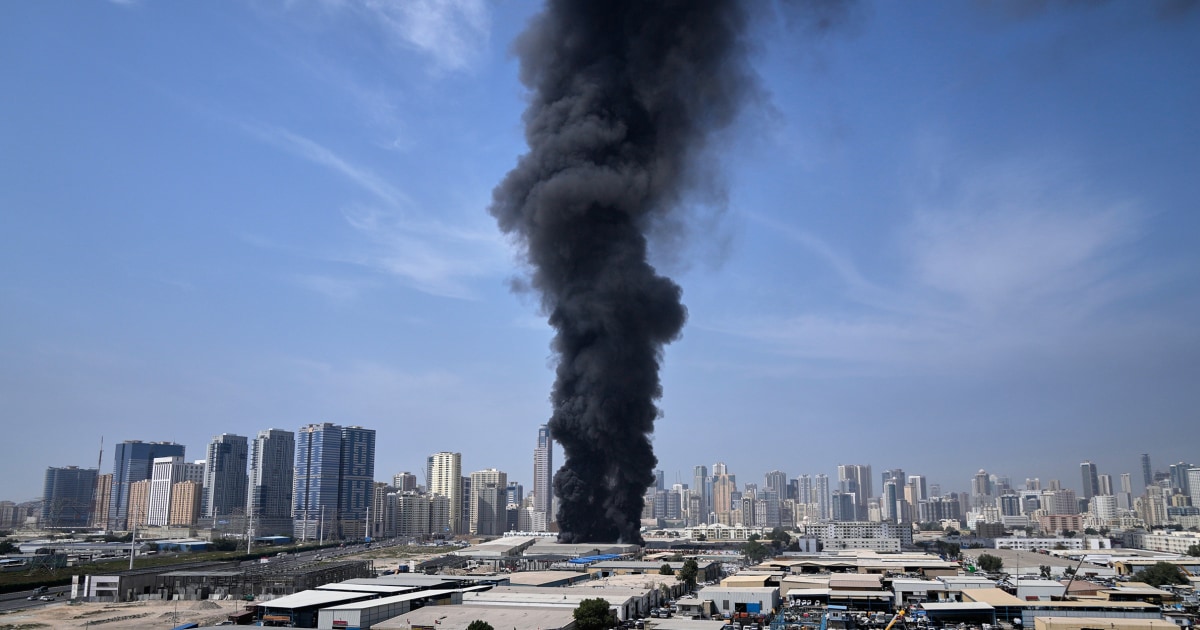
Iran's widespread retaliation for the recent killing of its supreme leader by American and Israeli forces is proving to be a significant strategic miscalculation that is isolating Tehran and infuriating its neighbors, according to high-level Arab diplomatic sources. In response to the elimination of Ayatollah Ali Khamenei and his senior commanders, Iran has launched a series of missile and drone attacks across the region. These strikes have deliberately targeted neighboring Gulf states, including Qatar, Saudi Arabia, and the United Arab Emirates, which are home to major U.S. military installations and critical global energy infrastructure. The aggressive posture has prompted swift defensive measures, with Qatar's military reportedly downing Iranian jets that violated its airspace near the capital, Doha. According to reports, this wave of attacks has had the unintended consequence of unifying American allies, who have issued joint condemnations of Tehran's actions, signaling a deepening rift between Iran and the Arab world as the regional conflict continues to escalate.
The current crisis, dubbed "Operation Epic Fury," was ignited by a series of targeted strikes carried out by the United States and Israel that successfully eliminated Iran's top political and religious authority, Ayatollah Ali Khamenei, along with several of his key lieutenants. This unprecedented action triggered a violent and immediate response from Tehran, which vowed to exact revenge. The ensuing retaliation has plunged the Middle East into a new phase of instability, characterized by missile barrages, aerial combat, and drone warfare. The conflict has not been confined to military targets, with reports indicating that embassies have been assaulted and civilian structures such as hotels and apartments have been set ablaze. The Gulf nations now find themselves on the front line of this widening war, primarily due to their long-standing strategic alliances with Washington and their role as hosts for crucial American military assets, most notably the Al Udeid Air Base in Qatar, the largest U.S. installation in the entire region.
In a clear sign of the escalating tensions, a spokesperson for Qatar's Foreign Affairs Ministry confirmed that the nation's air force had intercepted and brought down Iranian jets, according to information reported by Reuters. The aircraft had reportedly breached Qatari airspace and were advancing toward Doha after ignoring warnings to divert course. This direct military engagement is part of a broader pattern of Iranian aggression that has impacted numerous U.S. partners. Officials have stated that Bahrain, Jordan, Kuwait, Saudi Arabia, and the United Arab Emirates have also been subjected to attacks. In response, these nations, alongside Qatar, released a powerful joint statement on Sunday. The communiqué strongly denounced what it called “Iran’s indiscriminate and reckless missile and drone attacks against sovereign territories across the region.” A veteran Arab diplomat, speaking to NBC News, expressed the region's fury, stating that the Gulf countries were forced into this situation and that it was a “huge mistake for Iran to strike the Arab neighbors.”
From a strategic standpoint, Iran's decision to lash out at its Arab neighbors is being widely interpreted by regional observers and diplomats as a critical error. Three high-ranking Arab officials with direct knowledge of the situation have indicated that Tehran's actions are achieving the opposite of their likely intended effect. Instead of intimidating the region and dividing the U.S.-led coalition, the attacks are fostering unprecedented unity among the Gulf states and reinforcing their security ties with the White House. However, this alliance is being tested under extreme pressure. As the conflict expands with no clear endgame articulated by the American administration, serious questions are emerging about the resilience of these Gulf allies. They are caught in a dangerous crossfire, bearing the immediate consequences of a war they did not start. While they are standing with Washington for now, the long-term sustainability of this position remains a point of growing concern as the economic and security costs of the conflict continue to mount.
In summary, Iran's retaliatory campaign has severely backfired on the diplomatic front, transforming regional apprehension into active anger and solidifying a coalition of its neighbors against it. The attacks on sovereign Arab nations have been labeled a strategic blunder by diplomatic insiders, effectively isolating Tehran at a critical moment. While the United States can currently count on the support of its Gulf allies, the situation remains volatile. The core challenge moving forward is the immense strain this widening conflict places on these frontline nations. As calls for de-escalation and a return to negotiations, such as those issued by Qatar, continue to be overshadowed by military action, the key question is how long this unified regional front can withstand the pressures of an escalating war with no resolution in sight.