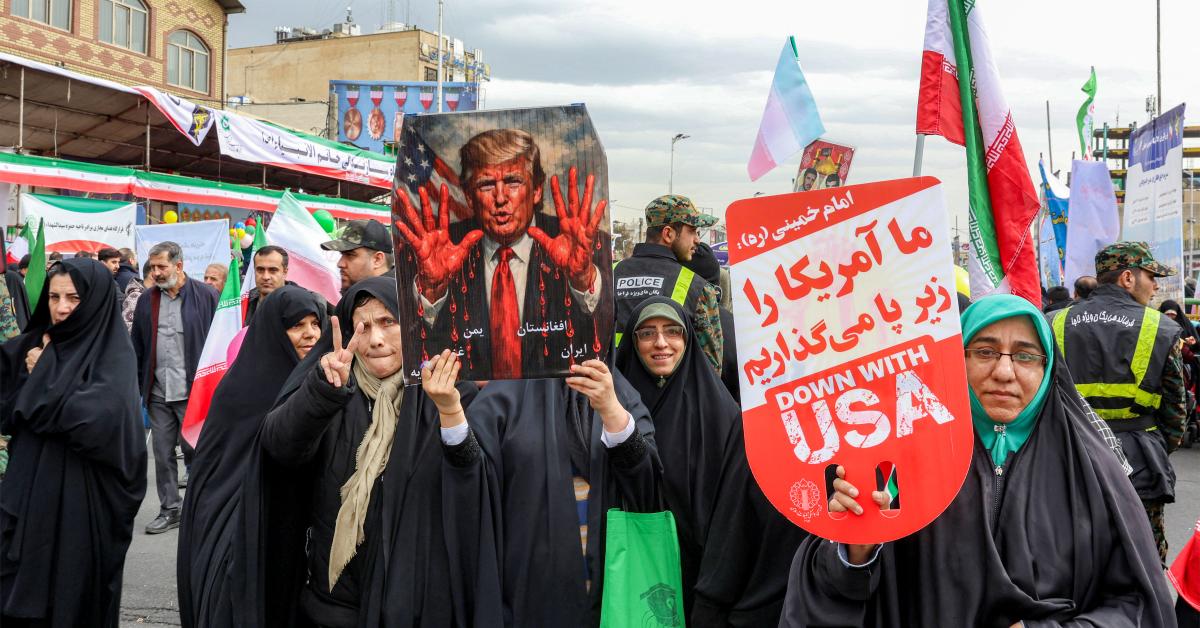
Recent intelligence assessments have brought to light serious allegations concerning the Iranian regime's involvement in extensive covert operations aimed at influencing United States presidential elections. According to these reports, Iran actively sought to prevent the reelection of Donald Trump during both the 2020 and 2024 election cycles. These alleged activities encompassed a spectrum of subtle election influence operations, which, sources indicate, largely went undetected at the time. Furthermore, and perhaps most disturbingly, intelligence sources suggest that specific elements within the Islamic Revolutionary Guard Corps (IRGC) were actively engaged in planning and pursuing assassination plots against Mr. Trump during these periods. These findings underscore a profound and multifaceted threat to American democratic processes and the security of its leaders, emanating directly from a state actor. The scope of these alleged actions, from sophisticated influence campaigns to direct threats against a former and potential future president, highlights a significant escalation in reported foreign interference.
The backdrop to these intelligence findings is a history of complex and often adversarial relations between the United States and Iran, punctuated by periods of heightened tension. While foreign attempts to influence U.S. elections are not unprecedented, the nature and alleged severity of Iran's reported actions, particularly the targeting of a specific candidate and the purported pursuit of assassination plots, represent a critical escalation. Covert influence operations typically involve a range of tactics, including disinformation campaigns, cyber activities, and the manipulation of public discourse, all designed to sway voter sentiment or undermine confidence in democratic institutions. The involvement of the IRGC, a powerful and often autonomous branch of Iran's military, in such schemes adds another layer of gravity. The IRGC has been designated as a foreign terrorist organization by the U.S. and is known for its involvement in regional proxy conflicts and clandestine activities, making these allegations consistent with its operational profile, according to various reports.
Further details emerging from these intelligence assessments paint a concerning picture of the alleged Iranian efforts. The 'unnoticed election influence operations' reportedly employed by the Iranian regime could have included a variety of sophisticated methods. These might range from the creation and dissemination of propaganda through various online channels to the exploitation of social media platforms to amplify specific narratives detrimental to Mr. Trump's candidacy, all designed to operate below the threshold of overt detection. Such operations are often characterized by their subtlety and their ability to blend into the existing information environment, making them particularly challenging to identify and counter in real-time. Moreover, the alleged assassination plots against Mr. Trump, attributed to elements within the IRGC, represent an extreme form of state-sponsored aggression. While specific details of these plots remain classified, the mere existence of such intelligence assessments points to a direct and potentially lethal threat posed by a foreign government against a prominent American political figure, a move that would carry immense geopolitical ramifications if confirmed.
These intelligence revelations carry profound implications for U.S. national security, the integrity of its electoral system, and the broader geopolitical landscape. Experts suggest that if these allegations are substantiated, they would necessitate a robust and multi-faceted response from the United States, potentially involving diplomatic, economic, and even covert countermeasures. The alleged targeting of a specific presidential candidate, especially one who has held and may again hold the highest office, underscores the vulnerability of democratic processes to external manipulation and direct threats. Furthermore, the reported involvement of the IRGC in assassination plots could significantly escalate tensions between Washington and Tehran, potentially leading to a more confrontational stance from the U.S. government. Analysts indicate that such actions, if proven, would not only be a violation of international norms but also a direct challenge to U.S. sovereignty and security, demanding a comprehensive reevaluation of strategies to deter and counter foreign malign influence.
In conclusion, the intelligence assessments detailing Iran's alleged covert operations to influence U.S. elections in 2020 and 2024, specifically targeting Donald Trump, and the purported assassination plots by elements of the IRGC, represent a critical development. These reports highlight a dual threat: sophisticated attempts to undermine democratic processes through influence operations, coupled with extreme measures like alleged physical threats against a leading political figure. As these intelligence findings continue to be processed, they will undoubtedly shape future U.S. foreign policy and national security strategies concerning Iran. The ongoing vigilance and robust counter-intelligence efforts will be paramount in safeguarding the integrity of American elections and protecting its leaders from foreign adversaries, as officials continue to monitor and assess the full scope of these alleged activities.