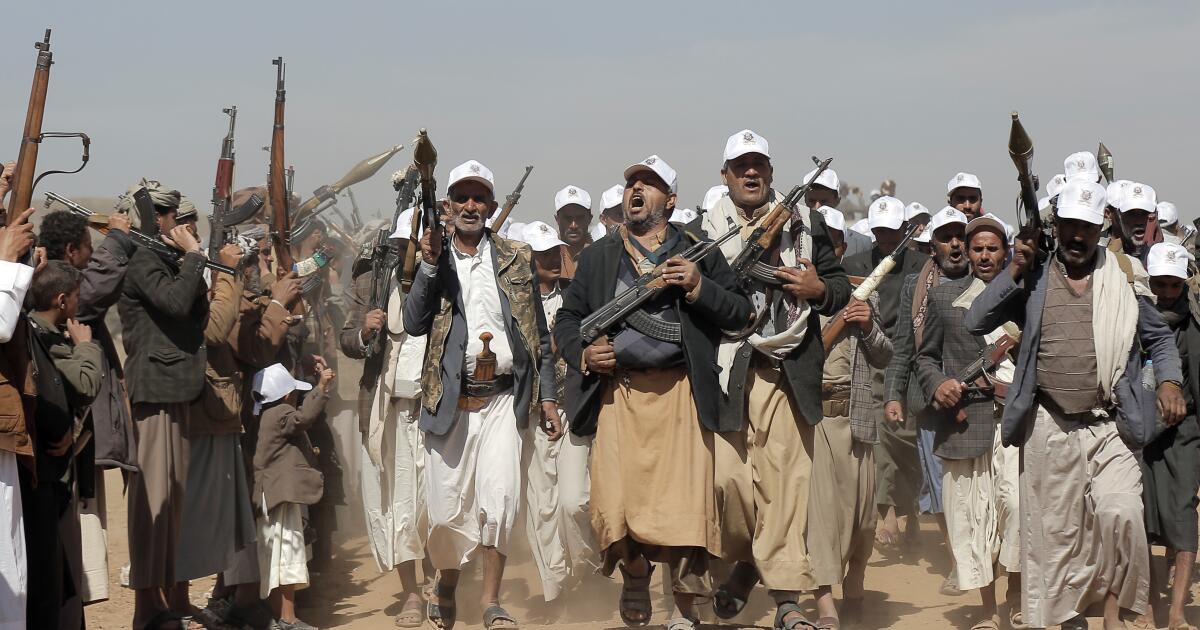
Iran has cultivated an extensive network of allied paramilitary organizations and political factions across the Middle East, a coalition widely recognized as the 'Axis of Resistance,' according to various reports. This influential alliance stretches geographically from Lebanon and the Gaza Strip to Iraq and Yemen, establishing a significant sphere of influence for Tehran. These proxy groups have reportedly been instrumental in orchestrating or participating in numerous assaults targeting Western and Israeli interests throughout the volatile region. The strategic importance of this network was underscored when former U.S. President Donald Trump explicitly referenced Iran's proxies as a primary justification for joint American and Israeli military operations against the Islamic Republic. In his public statements announcing these actions, President Trump specifically condemned the activities of these Iranian-backed entities, highlighting their perceived destabilizing role in regional security dynamics. This intricate web of alliances allows Iran to project power and pursue its strategic objectives indirectly, often complicating international efforts to de-escalate tensions and foster stability in the Middle East.
The formation and sustainment of the 'Axis of Resistance' represent a cornerstone of Iran's foreign policy and regional strategy, evolving over decades to become a formidable instrument of influence. This umbrella term encompasses a diverse array of groups, each with distinct local agendas but united by a shared ideological opposition to perceived Western and Israeli hegemony. Historically, Iran's support for these movements intensified following its 1979 revolution, as the new Islamic Republic sought to export its revolutionary ideals and counter rival powers in the region. By nurturing these alliances, Tehran has effectively established a forward defense posture, creating layers of deterrence and enabling it to exert pressure on adversaries without direct military engagement. The geographical spread of these proxies, from the Mediterranean coast to the Arabian Peninsula, provides Iran with strategic depth and the capacity to influence events across critical waterways and land routes, fundamentally reshaping the geopolitical landscape of the broader Middle East.
Reports indicate that the various components of the 'Axis of Resistance' have played central and often covert roles in a spectrum of regional conflicts and targeted actions. These activities reportedly include intelligence gathering, logistical support, and direct participation in military engagements or asymmetric warfare tactics against specific adversaries. While precise details of every operation remain largely undisclosed, the cumulative effect of these proxy actions has been a consistent source of instability and heightened tensions. For instance, the involvement of these groups in specific incidents has frequently led to retaliatory strikes and a cycle of escalation, as observed in various flashpoints across the Levant and the Arabian Peninsula. Former President Trump's public denunciation of these "proxies" during his announcement of U.S.-Israeli military actions against Iran further solidified the perception among Western policymakers that these groups are not merely independent actors but integral extensions of Iran's strategic apparatus, directly contributing to regional security challenges.
The strategic implications of Iran's 'Axis of Resistance' are profound, creating a complex and enduring challenge for regional and international security. Analysts suggest that this network provides Iran with significant strategic advantages, including plausible deniability for actions undertaken by its allies, thereby complicating direct military responses from adversaries. It also allows Iran to maintain a persistent presence and influence in critical areas without deploying its conventional forces, effectively leveraging local grievances and existing conflicts to its benefit. However, this strategy also carries inherent risks, as the actions of proxy groups can sometimes spiral beyond direct control, potentially triggering broader conflicts that Iran may not desire. The existence of such a deeply entrenched network means that any attempt to address regional instability must contend not only with state actors but also with a multitude of non-state armed groups whose allegiances and operational capabilities are tied to Tehran, making diplomatic and military solutions exceptionally intricate.
In summary, Iran's 'Axis of Resistance' stands as a pivotal and enduring feature of the Middle Eastern geopolitical landscape, representing a sophisticated strategy of indirect power projection. This extensive network of allied militias and political movements, spanning key nations from Lebanon to Yemen, continues to exert significant influence over regional conflicts and security dynamics. Their reported involvement in actions against Western and Israeli targets has consistently fueled tensions and drawn international scrutiny, notably highlighted by former U.S. President Trump's direct condemnation during military announcements. The ongoing activities of these proxy forces will undoubtedly remain a critical factor in shaping future developments in the Middle East, necessitating continuous monitoring and careful consideration by international actors seeking to understand and navigate the region's complex security environment.