In the face of escalating regional tensions involving Israel and the United States, reports indicate that Iran's military approach is not geared towards achieving a conventional battlefield triumph. Instead, the Islamic Republic appears to be pursuing a high-stakes strategy centered on ensuring its own survival and maintaining a posture of deterrence, according to analyses of its current military stance. Leaders and military commanders within Iran have reportedly spent years meticulously preparing for the possibility of a direct confrontation, understanding that their broader regional objectives could inevitably lead to such a scenario. This foresight included the recognition that a conflict initiated with either Israel or the US would almost certainly draw in the other, creating a multi-front engagement. This strategic understanding is particularly relevant in the context of recent events, where both the United States and Israel have reportedly launched simultaneous strikes against Iranian targets, underscoring the complex and interconnected nature of the current hostilities.
The historical context surrounding Iran's strategic development reveals a consistent pattern of anticipating and adapting to regional power dynamics. Observers note that Iranian leadership has long understood that their pursuit of influence across the Middle East could eventually precipitate a direct military clash with formidable adversaries like Israel or the United States. This anticipation shaped their long-term defense planning, which factored in the high probability of a combined response from both nations should hostilities erupt with one. This pattern was notably observed during a 12-day conflict last summer, where Israel reportedly initiated strikes, with the United States joining the engagement days later. The current round of fighting, however, marks a significant escalation, with both the US and Israel reportedly launching coordinated attacks on Iranian territory. Given the overwhelming technological superiority, advanced intelligence capabilities, and sophisticated military hardware possessed by the United States and Israel, it is widely understood that Iranian strategists would not harbor illusions of a straightforward military victory in a conventional sense. Their planning, therefore, has pivoted towards a more asymmetric and resilient approach.
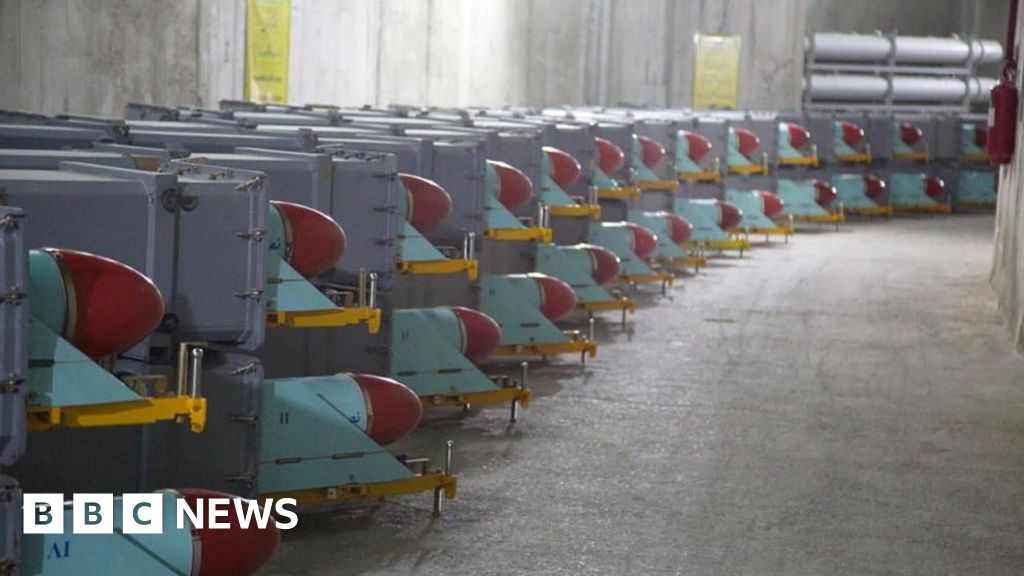
In light of these strategic realities, Iran has reportedly invested heavily over the past decade in developing a military doctrine focused on deterrence and endurance. This investment includes the significant enhancement of its ballistic missile capabilities, which now feature layered defenses designed to present a complex challenge to potential aggressors. Furthermore, sources indicate a substantial commitment to long-range drone technology, expanding Iran's reach and ability to project power without direct conventional engagement. Crucially, a core component of this strategy involves the cultivation and support of a sophisticated network of allied armed groups dispersed across the region. These proxies serve to extend Iran's influence and provide a decentralized response capability. Iranian strategists are acutely aware of their geographical limitations; while striking the US mainland remains outside their current capabilities, American military bases situated in neighboring Arab countries are reportedly within reach, forming a critical element of their deterrence calculus.
This strategic pivot towards endurance and deterrence carries significant implications for regional stability and the nature of future conflicts. The concept of "survival on its own terms" suggests that Iran aims to withstand sustained pressure and retaliate in ways that impose costs on its adversaries, thereby deterring larger, more decisive attacks. By investing in layered missile defenses and long-range drones, Iran seeks to complicate any potential offensive, making the cost of intervention higher for its opponents. The network of regional proxies plays a crucial role in this strategy, allowing Iran to exert influence and respond to aggression indirectly, potentially diffusing direct responsibility while still achieving strategic objectives. This approach transforms the battlefield from a conventional front into a broader, more distributed arena, where the goal is not necessarily to defeat a technologically superior foe outright, but to outlast them and prevent a decisive victory against Iran itself, thereby preserving the current regime and its regional ambitions.
In conclusion, Iran's military strategy in the context of its widening conflict with Israel and the United States is characterized by a pragmatic focus on long-term survival and the establishment of a credible deterrent, rather than the pursuit of conventional military victory. This posture, developed over years of anticipating direct confrontation, acknowledges the significant technological disparity with its adversaries. The core tenets of this strategy involve substantial investments in layered ballistic missile systems, advanced long-range drones, and the strategic deployment of allied armed groups across the Middle East. As regional tensions continue to escalate, understanding this foundational strategic framework — centered on endurance and the ability to impose costs — will be crucial for interpreting Iran's actions and anticipating future developments in the complex geopolitical landscape of the Middle East.