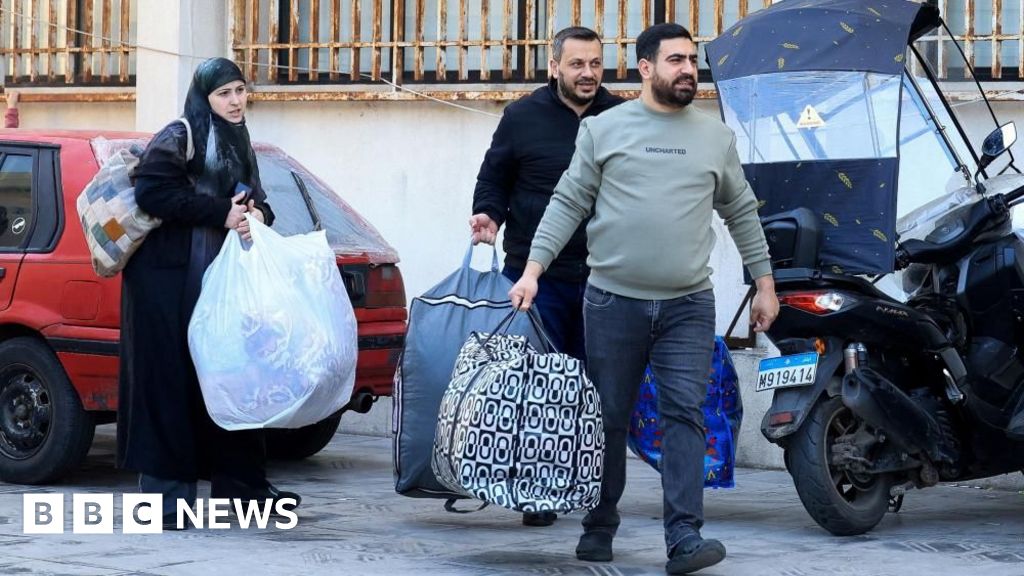
The Israeli military has issued an urgent directive for civilians residing in extensive areas of southern Lebanon to evacuate their residences immediately, instructing them to relocate north of the Litani River. This significant order, confirmed by official statements, cites impending military operations targeting Hezbollah, an Iran-backed organization. The sweeping instruction was disseminated amidst a marked escalation in hostilities between Israel and the group, which has seen increasing cross-border incidents. Crucially, just hours after the evacuation notice was publicly issued, the military confirmed it had initiated a "wave of strikes" across the southern region, signaling the immediate commencement of the threatened action. This development follows a period of heightened conflict that began earlier in the week, contributing to the displacement of tens of thousands of individuals within Lebanon, according to various reports. The situation underscores a critical phase in the ongoing tensions, with direct military engagement now underway following the explicit warning to the civilian population, raising significant concerns for regional stability and civilian safety.
The recent escalation marks a significant intensification of long-standing tensions between Israel and Hezbollah, a powerful Lebanese political party and militant group supported by Iran. Hostilities between the two have been a persistent feature of the region's security landscape, frequently flaring up into cross-border exchanges. The current surge in conflict, which reports indicate began on Monday, has already had severe humanitarian consequences, with a substantial number of people forced to abandon their homes. This widespread displacement highlights the immediate and profound impact of the escalating military confrontation on civilian populations. The Israeli military's explicit warning and subsequent actions suggest a strategic shift, aiming to clear civilian areas ahead of what officials describe as targeted operations against Hezbollah infrastructure and operatives. The Litani River, specified as the northern boundary for civilian relocation, has historically been a strategic line in past conflicts, underscoring the potential scale and intensity of the anticipated military engagement. The current situation reflects a dangerous trajectory, where localized skirmishes are rapidly evolving into a broader military confrontation with significant implications for the entire border region.
The humanitarian crisis stemming from the escalating conflict is already profound, with tens of thousands of Lebanese citizens having been displaced from their homes since the fighting intensified earlier this week. Many of these individuals have sought refuge in the capital, Beirut, where reports indicate they are struggling to find adequate shelter, resorting to sleeping in temporary facilities, along roadsides, in public parks, and even within their vehicles. The strain on resources is palpable, with volunteers at food kitchens and shelters expressing serious concerns about their capacity to manage the rapidly increasing demand for assistance, according to accounts from the BBC. Amidst this exodus, some residents in southern Lebanon have voiced their reluctance or inability to comply with the evacuation orders. One 25-year-old man, identified as Mohamed, reportedly stated his refusal to leave his home, asserting that he was not affiliated with Hezbollah or its infrastructure and would prefer to remain rather than seek refuge in Beirut's overcrowded streets. Similarly, another individual recounted the immense difficulty he and his disabled wife faced in relocating earlier in the week, expressing uncertainty about securing further shelter to the north, illustrating the severe challenges confronting vulnerable populations attempting to comply with the directives.
The Israeli military's explicit order for a mass civilian evacuation, followed by immediate strikes, signals a significant escalation in its operational strategy against Hezbollah. This move suggests a pre-emptive measure to mitigate civilian casualties during anticipated intensive military actions, while simultaneously aiming to disrupt Hezbollah's operational capabilities in the south. The directive to move north of the Litani River delineates a broad zone of intended military engagement, indicating that the scope of operations could be extensive and sustained. For the civilian population, the implications are dire. Beyond the immediate threat of military action, the forced displacement of tens of thousands of people creates an immense humanitarian challenge. The already strained resources in Beirut, as highlighted by concerns from aid volunteers, suggest that the existing infrastructure is ill-equipped to absorb a further influx of displaced individuals, potentially leading to a deepening crisis of shelter, food, and basic services. This situation also raises questions about the long-term stability of the border region and the potential for a wider regional conflict, as the direct engagement between Israel and Hezbollah intensifies, placing immense pressure on international humanitarian organizations and diplomatic efforts to de-escalate the volatile situation.
In summary, the situation in southern Lebanon has reached a critical juncture following the Israeli military's comprehensive evacuation order and subsequent commencement of strikes against Hezbollah targets. This represents a significant escalation in the ongoing hostilities, which have already resulted in the displacement of tens of thousands of civilians and placed immense pressure on humanitarian resources, particularly in Beirut. The challenges faced by those attempting to comply with the evacuation, coupled with the resolve of some to remain, underscore the complex human dimension of this conflict. As military operations continue, the international community will be closely monitoring the humanitarian impact and the potential for further regional destabilization. The immediate future will likely see continued military activity in the designated zone, alongside urgent efforts to provide aid and shelter to the growing number of displaced individuals, while diplomatic channels work to prevent a broader conflagration.