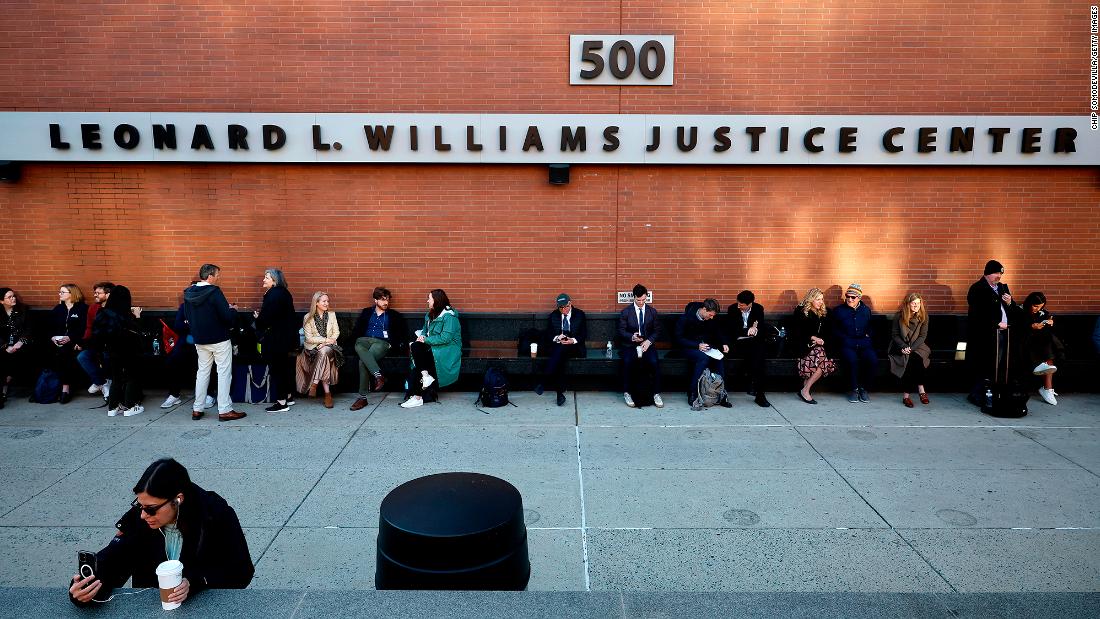
In a dramatic turn of events within the Delaware Superior Court, Fox News and Dominion Voting Systems reached a monumental settlement agreement on Tuesday, effectively halting a high-stakes defamation trial just as it was poised to enter the opening statement phase. According to court reports and statements from the presiding judge, the right-wing media giant agreed to pay a staggering $787.5 million to resolve the litigation, which had been building for over two years. This resolution came as a surprise to many observers, as the jury had already been sworn in and the legal teams were prepared to argue their cases before the public. Officials stated that the agreement marks the end of a contentious legal saga that centered on allegations of false reporting regarding the 2020 presidential election. The settlement, which was finalized following a period of intense speculation during a delayed afternoon session, represents one of the most significant financial payouts in the history of American media law. By opting for this massive financial resolution, Fox News avoided a potentially damaging six-week trial that threatened to expose internal communications and further scrutinize the network's editorial practices. Sources indicate that the deal was struck in the final hours before the proceedings were scheduled to resume after a lunch break, bringing a sudden conclusion to a case that has captivated the national media landscape.
The legal conflict between Dominion Voting Systems and Fox News originated in the aftermath of the 2020 U.S. Presidential Election, a period marked by intense political friction and widespread claims of electoral misconduct. Dominion, a company specializing in electronic voting hardware and software, filed the lawsuit alleging that the news network knowingly broadcasted false information regarding the company’s role in the election results. Over the course of the two-year legal battle, the discovery process unearthed a trove of internal emails and text messages from Fox News executives and prominent on-air personalities. According to reports, these documents suggested a disconnect between the network's public broadcasts and the private skepticism held by its staff regarding the validity of the election fraud claims. The significance of this case extends beyond the financial figures, as it touched upon fundamental questions of journalistic integrity and the legal boundaries of the First Amendment. Legal analysts have pointed out that the litigation posed a substantial threat to the network’s reputation, with many arguing that the evidence released during the pretrial phase had already caused significant damage to its public standing. By reaching this settlement, both parties have bypassed a lengthy and unpredictable trial that would have likely delved deeper into the network's internal decision-making processes and its relationship with political figures.
The financial terms of the agreement are historic, with the $787.5 million figure representing the largest publicly disclosed defamation settlement involving a media organization in the history of the United States. This amount, while less than the $1.6 billion Dominion initially sought in damages, remains a colossal sum that underscores the gravity of the allegations. Reports from the courtroom described a tense atmosphere as the proceedings were repeatedly delayed on Tuesday afternoon, fueling rumors that a deal was being negotiated behind closed doors. When the judge finally returned to the bench, he informed the assembled parties and the media that the case had been resolved, expressing his gratitude to the jurors for their service. According to statements made by Dominion’s legal representatives following the announcement, the settlement serves as a form of accountability for the dissemination of misinformation. While the network released a statement acknowledging the court's rulings that certain claims about Dominion were false, the agreement does not require an on-air apology or a formal admission of malice, according to sources familiar with the deal. The specific data points regarding the settlement highlight the immense financial risk that media companies face when accused of systemic defamation, particularly in cases involving high-profile political events and national security infrastructure.
From an analytical perspective, the settlement carries profound implications for the future of media law and the standards of accountability for news organizations. Legal experts suggest that while the settlement avoids a definitive court ruling on the "actual malice" standard established in New York Times v. Sullivan, the sheer magnitude of the payout sends a clear message to the industry. It indicates that even powerful media entities are not immune to the financial consequences of broadcasting demonstrably false information that harms a private company's reputation. Furthermore, the resolution of this case may influence how other voting technology firms and entities targeted by similar claims approach their own legal strategies. Some observers argue that the settlement represents a strategic retreat for Fox News, allowing the network to put a highly publicized and embarrassing chapter behind it without the risk of a jury verdict that could have been even more damaging. However, the long-term impact on the network's viewership and its relationship with its audience remains to be seen. The case has already sparked a broader national conversation about the role of news media in a polarized political environment and the responsibility of broadcasters to verify the claims made by their guests and contributors. Moving forward, this landmark settlement will likely serve as a primary reference point for future defamation litigation involving large-scale media operations.
In summary, the conclusion of the Dominion Voting Systems lawsuit against Fox News marks a watershed moment in the intersection of law, politics, and media. The $787.5 million settlement provides a definitive end to a two-year conflict that threatened to redefine the legal protections afforded to news organizations. While the immediate threat of a trial has been averted, the repercussions of the evidence revealed during the discovery phase will likely continue to resonate within the media industry for years to come. Observers should now turn their attention to other pending legal challenges facing the network, including a similar defamation lawsuit filed by Smartmatic, another voting technology company. These ongoing legal battles suggest that the scrutiny of media conduct during the 2020 election cycle is far from over. As the dust settles on this historic agreement, the primary takeaway remains the unprecedented financial cost of the litigation and the enduring questions it raises about the nature of truth and accountability in the modern information age. The legal community and the public alike will continue to monitor how this settlement influences the editorial standards of major broadcasters and the future of defamation law in the United States.