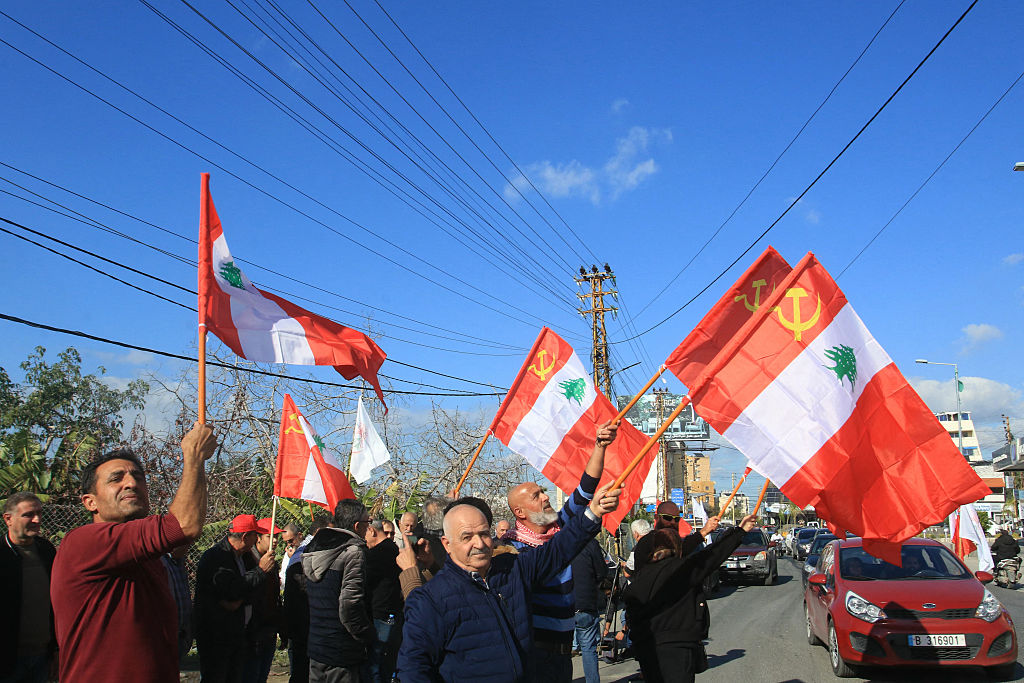
In the eastern and southern sectors of Lebanon, Israeli military forces are reportedly sustaining an aerial bombardment campaign, leading to casualties among operatives affiliated with Hezbollah, according to recent dispatches. These ongoing incursions have prompted the Shiite political and paramilitary organization to reportedly escalate its public rhetoric, reaffirming its commitment to retaliate. This intensified stance comes at a time when the group is navigating a significantly diminished operational capacity, a direct consequence of the 2024 conflict. This period of reduced strength for Hezbollah marks a critical juncture, given its long-standing role as the principal voice and force in the Lebanese resistance narrative against Israel, a position it has held for the better part of four decades. The current dynamic underscores a volatile regional landscape, with a weakened yet defiant Hezbollah facing continued military pressure.
Hezbollah's current state of diminished capacity is understood to be a direct outcome of the extensive engagements during the 2024 conflict. While specific details of that conflict are not fully elaborated in current reports, it is widely understood to have inflicted substantial damage on the group's infrastructure, personnel, and overall operational capabilities. For over forty years, Hezbollah has been instrumental in shaping the discourse of Lebanese resistance against Israeli actions, establishing itself as a dominant political and military entity within the country. Its influence has permeated various facets of Lebanese society, extending beyond purely military operations to encompass significant political and social roles. This historical prominence makes its reported current weakened condition particularly noteworthy, potentially signaling a shift in the delicate balance of power within Lebanon and across the broader Middle East.
The Israeli aerial bombardments are reportedly concentrated in specific eastern and southern regions of Lebanon, suggesting targeted operations against Hezbollah assets and personnel. Reports indicate these strikes have resulted in casualties among Hezbollah operatives, directly impacting the group's fighting strength. Despite this reported weakening, Hezbollah has reportedly intensified its public statements, a move that analysts suggest could be a strategic effort to maintain morale, project an image of resilience, and deter further aggression. This public posturing, even amidst internal challenges, highlights the organization's determination to uphold its long-held narrative of resistance. The description of Hezbollah as being in a 'significantly weakened state' implies potential reductions in its arsenal, damage to its command and control structures, or a depletion of its manpower, all of which could severely impede its ability to conduct large-scale operations or effectively project power.
The implications of a significantly weakened Hezbollah extend far beyond the immediate conflict zone, potentially reshaping Lebanon's internal political landscape and regional stability. A reduction in Hezbollah's operational strength could create power vacuums or alter existing political alignments within Lebanon, potentially leading to new internal dynamics or increased competition among various factions. On a regional scale, this shift could profoundly influence the long-standing tensions along the Israeli-Lebanese border and impact the broader proxy conflicts in which Iran and its allies are involved. Given Hezbollah's historical role as a leading resistance movement, its diminished capacity could be perceived differently by various segments of the Lebanese population and the wider Arab world, potentially challenging its legitimacy or opening avenues for alternative resistance narratives. The interplay between the group's reduced capabilities and its strong public rhetoric suggests a period of strategic re-evaluation and adaptation for the organization.
The ongoing aerial bombardments by Israeli forces and Hezbollah's resolute pledges of retaliation underscore a highly volatile and uncertain situation in southern Lebanon. Hezbollah's reported weakened status following the 2024 conflict represents a pivotal moment for the organization and the region it operates within. Observers will be closely monitoring how the group endeavors to reconcile its reduced operational capabilities with its stated commitments and historical role. The long-term ramifications for Lebanese sovereignty, regional security, and the future trajectory of the Israeli-Lebanese conflict remain to be seen as this complex dynamic continues to unfold. This period presents a critical test for Hezbollah's resilience and its enduring influence in the intricate geopolitical tapestry of the Middle East.