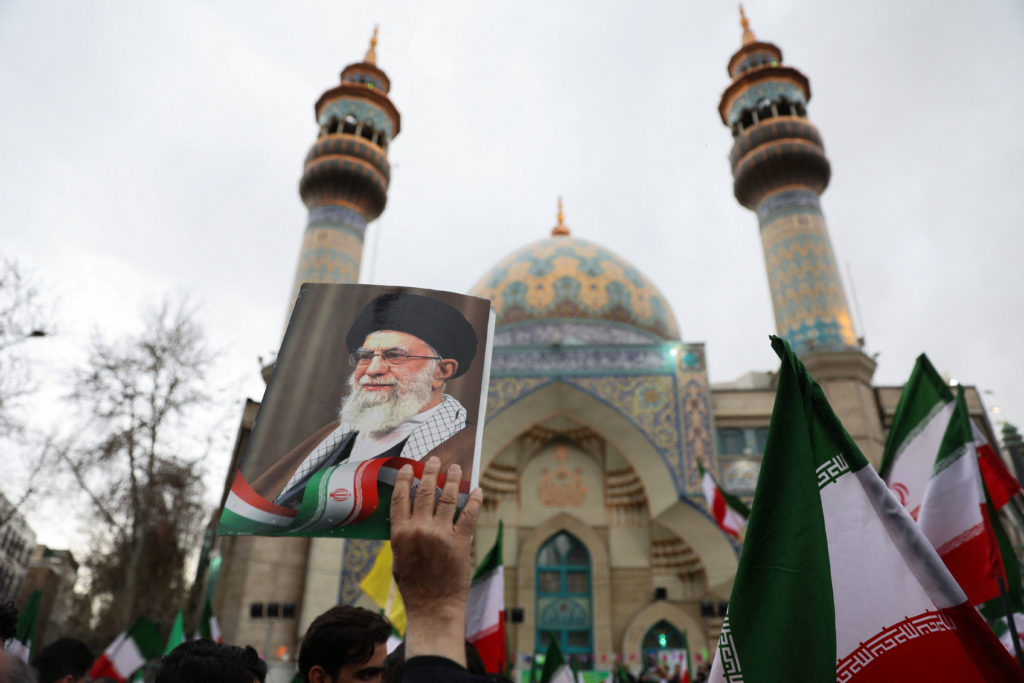
In a dramatic escalation of regional tensions, initial reports emerging on Saturday indicate that the United States and Israel have reportedly initiated coordinated military actions against targets within Iran. These accounts specify that the first apparent strike occurred in the vicinity of the offices of Supreme Leader Ayatollah Ali Khamenei, a location holding profound political and symbolic significance at the very core of the Iranian leadership structure. This development represents a critical and potentially transformative moment in the already volatile geopolitical landscape of the Middle East, marking what appears to be a direct and overt military engagement involving two major global and regional powers against the Islamic Republic. While the full scope and precise nature of this operation remain to be officially confirmed by either Washington or Jerusalem, the reported involvement of both the United States and Israel against such a high-profile target in Iran underscores the extreme gravity of the situation. International observers and analysts are closely monitoring the unfolding events, anticipating potential immediate reactions from Tehran and broader international responses to what is widely seen as a significant escalation of long-standing regional hostilities, with far-reaching implications for global stability and security.
This reported military action unfolds against a backdrop of decades of deep-seated animosity and strategic rivalry that has characterized relations between the United States, Israel, and Iran. Washington and Tehran have endured periods of intense confrontation, particularly concerning Iran's ambitious nuclear program, its ongoing development of ballistic missiles, and its extensive support for various proxy groups across the Middle East. The U.S. and its allies consistently view these activities as profoundly destabilizing forces in the region. Concurrently, Israel has consistently voiced profound concerns over Iran's regional ambitions and its burgeoning nuclear capabilities, viewing the Islamic Republic as an existential threat to its security. This complex interplay of grievances has frequently manifested as a 'shadow war,' characterized by covert operations, sophisticated cyberattacks, and proxy conflicts spanning the entire region. The current reported direct military engagement, however, marks a significant departure from these historical patterns, bringing the long-simmering conflict into an overt and potentially much more dangerous phase.
The reported targeting of an area near the offices of Supreme Leader Ayatollah Ali Khamenei carries immense symbolic and political weight, signaling a direct challenge to the heart of Iran's clerical and governmental authority. While precise details regarding the extent of the damage or the specific nature of the ordnance used are not yet available, the choice of such a prominent location underscores the perceived seriousness of the operation. Sources indicate that the involvement of both the United States and Israel in this alleged strike amplifies its gravity, suggesting a coordinated effort by two powerful nations against a common adversary. The international community is now keenly focused on the immediate aftermath, with particular attention paid to any official statements from Tehran, Washington, or Jerusalem. Analysts are also assessing the potential for retaliatory actions from Iran, which could further destabilize an already fragile region and trigger a wider conflict that many fear could draw in additional regional and global actors.
Experts suggest that this reported military action represents a critical juncture, potentially transforming the dynamics of power and conflict in the Middle East. The direct engagement, particularly against a target of such symbolic significance, could be interpreted as a clear message from the U.S. and Israel regarding their resolve to counter perceived Iranian threats. This move is widely seen as a significant escalation of long-standing regional tensions, moving beyond the 'shadow war' into a more overt confrontation. The broader implications for global stability and security are profound, with analysts warning of potential ripple effects on international energy markets, diplomatic relations, and the ongoing efforts to de-escalate conflicts in various regional hotspots. The coming days will likely reveal the strategic intent behind these reported strikes and the immediate geopolitical consequences, as nations worldwide grapple with the potential for a wider conflagration.
In summary, initial reports indicate a significant and potentially transformative development in the Middle East, with the United States and Israel reportedly initiating military action against targets within Iran, including near the Supreme Leader's offices, on Saturday. This marks a stark departure from previous 'shadow war' tactics, representing a direct and overt engagement that escalates decades of animosity. While the full scope remains unconfirmed, the gravity of the situation is underscored by the high-profile target and the combined involvement of two major powers. All eyes are now on Tehran's response and the broader international reactions, as the world braces for the potential far-reaching implications for regional and global stability. The coming days will be crucial in understanding the true extent of this operation and its immediate aftermath.