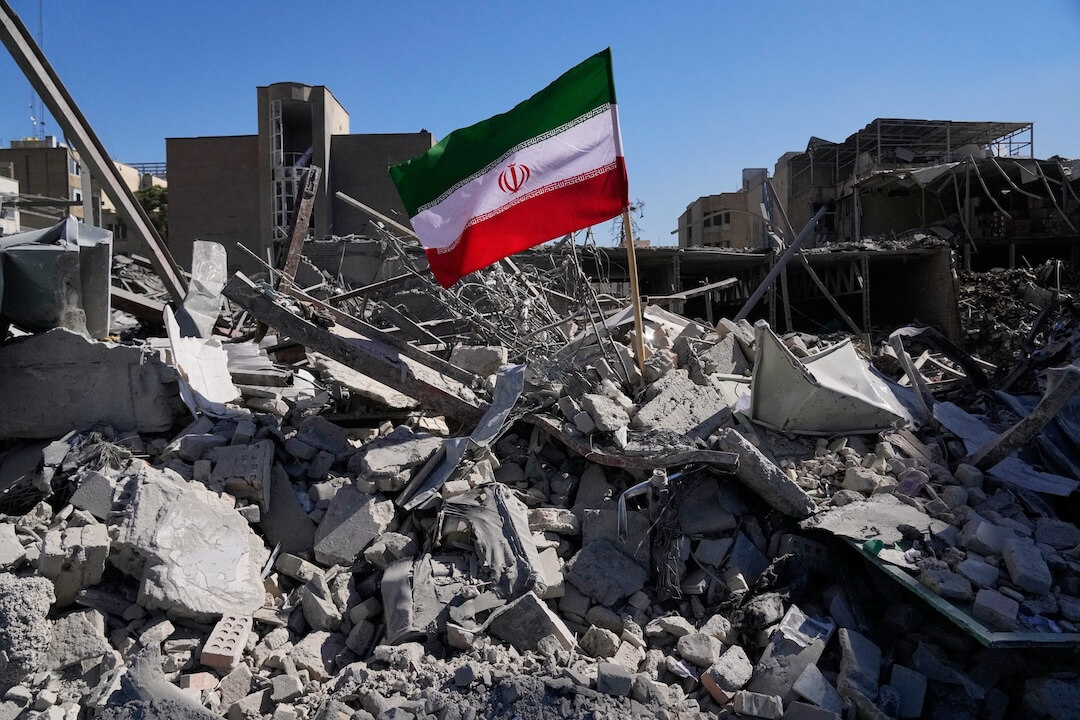
In the wake of recent U.S.-Israeli military actions targeting Iran and subsequent retaliatory strikes, a significant wave of digital falsehoods, including fabricated and previously published visual content, is rapidly spreading across social media platforms. This proliferation of misleading information is distorting public understanding of a highly volatile geopolitical situation, even as the human toll of the conflict continues to mount. Reports indicate a devastating loss of life, with at least 500 individuals confirmed dead within Iran. Furthermore, fatalities have been documented in several other nations caught in the periphery of the conflict, including Lebanon, Israel, the United Arab Emirates, Kuwait, and Bahrain. Tragically, four American servicemembers have also lost their lives in combat operations related to these events. Despite the gravity of these real-world consequences, a considerable portion of the trending visual content purporting to depict the ongoing hostilities has been identified as inaccurate or entirely manufactured, fueling confusion and potentially exacerbating tensions. This digital deception highlights a critical challenge in discerning truth amidst a rapidly evolving crisis.
The current surge in digital misinformation unfolds against a backdrop of heightened regional instability, characterized by a series of significant military engagements between U.S. and Israeli forces and Iranian targets, alongside Iran's own counterresponses. This complex and rapidly developing scenario, which has been categorized under "Operation Epic Fury," creates fertile ground for the propagation of unverified claims and deceptive media. In such a charged atmosphere, the rapid dissemination of false narratives can have profound real-world implications, from inciting panic and fear to potentially influencing geopolitical responses. Social media platforms, by their very nature, facilitate the swift global spread of content, regardless of its veracity, making them prime vectors for such disinformation campaigns. For instance, numerous posts identified on platforms like X (formerly Twitter) on March 1st and 2nd, the period immediately following reported escalations, contained visuals that were later debunked, demonstrating the immediate impact of these misleading narratives during critical junctures of the conflict. The inherent difficulty in verifying content in real-time during a crisis makes populations particularly vulnerable to these manipulative tactics, underscoring the urgent need for critical media literacy.
Several prominent examples illustrate the deceptive nature of the content circulating online. One widely shared video on X on March 1st, for instance, depicted a massive, fiery explosion, accompanied by a caption falsely claiming it showed an attack on Tel Aviv with a message of gratitude to Iran. However, investigations revealed this footage originated from a devastating chemical warehouse explosion that occurred in Tianjin, China, in 2015, an incident that tragically resulted in over 50 fatalities and hundreds of injuries. Another significant instance involved a video compilation posted on X, also on March 1st, which purported to show multiple Iranian military bases under assault. This compilation, initially circulated in December 2025, was then falsely presented as evidence of a "12-day war" between Iran and Israel in June of that year. Fact-checking organizations, including Full Fact, meticulously analyzed the compilation and reported in December that three out of its four clips exhibited clear indicators of artificial intelligence generation. These tell-tale signs included distorted architectural features like warped door frames, unnatural rendering of human body parts, implausible background visuals, and highly unrealistic reactions from individuals and objects within the scenes to the depicted explosions. Full Fact further confirmed that only one segment of this compilation was authentic, having been broadcast on Iranian State TV following an Israeli strike in June 2025, a finding corroborated by PolitiFact on YouTube. Additionally, other posts on March 1st falsely represented older footage from 2024 as current Iranian missile strikes against Israel, further muddying the informational waters. In stark contrast to these fabrications, The Associated Press reported a verified incident on March 2nd where Hezbollah, an Iranian-backed militant group based in Lebanon, launched missiles towards Israel, though officials stated no injuries or damage were reported from this specific event.
The pervasive spread of unverified and manipulated content during a period of active conflict carries profound implications for international relations and public safety. The deliberate misrepresentation of events, whether through recycling old footage or employing sophisticated AI-generated visuals, can significantly inflame public sentiment, both domestically and internationally. Such digital deception risks escalating tensions between nations by creating a false perception of events, potentially provoking disproportionate reactions or fueling cycles of retaliation based on fabricated evidence. The emergence of AI-generated content, in particular, introduces a new and alarming dimension to misinformation. As demonstrated by the "warped door frames" and "unnatural reactions" identified by fact-checkers, AI tools are becoming increasingly capable of producing convincing yet entirely fictional scenarios, making it progressively difficult for the average viewer to distinguish between genuine reporting and sophisticated fakes. This erosion of trust in visual media not only undermines legitimate journalism but also makes populations more susceptible to propaganda and emotional manipulation. In a crisis like "Operation Epic Fury," where lives are at stake and diplomatic efforts are crucial, the integrity of information is paramount. The constant need to debunk false narratives diverts resources and attention away from critical analysis of real events, further complicating an already complex situation and hindering informed decision-making by both the public and policymakers.
In conclusion, the current geopolitical landscape, marked by significant military engagements in the Middle East, is critically impacted by a deluge of digital misinformation. The rapid circulation of fake, outdated, and increasingly sophisticated AI-generated videos and images poses a severe challenge to accurate reporting and public understanding. This phenomenon not only distorts the reality of ongoing conflicts, such as the U.S.-Israeli strikes on Iran and subsequent counterattacks, but also risks exacerbating regional instability and fueling further animosity. As the conflict continues to unfold, vigilance against unverified content remains essential. Citizens and media consumers are urged to exercise extreme caution, critically evaluate sources, and rely on established, reputable news organizations for verified information. The ongoing battle against digital deception is as crucial as the physical conflict itself, demanding collective effort to uphold informational integrity and prevent the further weaponization of false narratives in an already volatile world. The ability to discern truth from fabrication will be a defining factor in how these complex events are understood and responded to in the coming days and weeks.