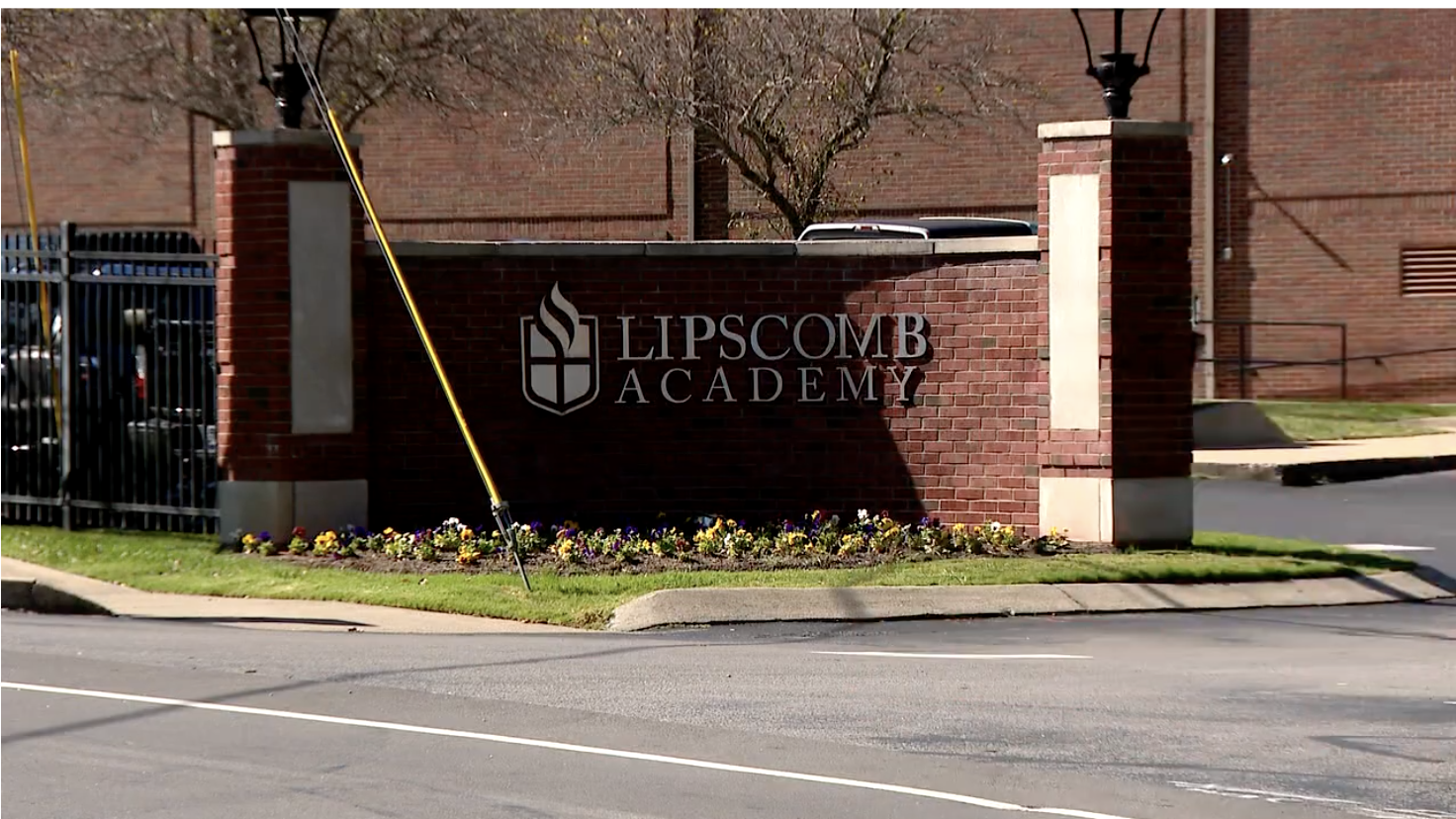
A significant internal debate is currently unfolding at Lipscomb Academy, a prominent Christian preparatory school located in Nashville, Tennessee. A notable segment of the institution's parent and staff community has voiced considerable apprehension regarding what they perceive as a fundamental transformation in the school's core curriculum and overall philosophical direction. According to reports, these critics contend that Lipscomb Academy, which has historically been recognized for its steadfast adherence to biblical teachings, is increasingly integrating concepts often associated with contemporary "leftist ideology" and principles of "diversity, equity, and inclusion" (DEI). This alleged shift has prompted a re-evaluation among some stakeholders about the academy's commitment to its founding religious principles, sparking concerns about its future identity and educational approach. The dissent highlights a growing tension between traditional values and modern progressive concepts within a faith-based educational setting, drawing attention to a broader cultural discussion playing out in institutions across the nation. The community's apprehension signals a critical juncture for the academy as it navigates these internal pressures.
Lipscomb Academy has long held a distinguished reputation within the Nashville community and beyond as a leading Christian educational institution. For generations, its educational framework has been deeply rooted in biblical teachings, aiming to provide students with an academic experience integrated with a strong faith-based moral compass. This historical commitment to a specific set of values has been a cornerstone of its appeal to families seeking an environment that reinforces their religious beliefs alongside academic rigor. The current concerns, therefore, strike at the very heart of the academy's established identity and mission. Observers note that any perceived deviation from these foundational principles would naturally generate significant discussion and potential unrest among a community that chose the institution precisely for its unwavering dedication to Christian education. This internal friction at Lipscomb Academy mirrors broader national conversations surrounding the role of religious institutions in adapting to or resisting evolving societal norms, particularly concerning the integration of DEI frameworks and various progressive ideologies into traditional curricula. The significance of this situation extends beyond the school gates, reflecting a wider cultural dialogue on education, faith, and identity.
The specific nature of the ideological shift, as articulated by the concerned parents and staff, reportedly centers on the perceived introduction of concepts that they believe diverge from or even contradict the academy's traditional biblical worldview. While the source material does not provide explicit examples of curriculum changes, concerned individuals suggest that the integration of "leftist ideology" and "DEI principles" could manifest in various aspects of school life. This might include changes in social studies or literature curricula, the content of chapel programs, guest speakers, faculty training initiatives, or even shifts in student life policies and disciplinary approaches. Reports highlight that these stakeholders are not merely expressing discomfort with new ideas but are specifically concerned that these new principles are supplanting or diluting the long-held emphasis on Christian doctrine and values. The apprehension stems from a belief that the school's ethos, once unequivocally aligned with conservative Christian principles, is undergoing a transformation that could fundamentally alter the experience for students and the institution's overall character. This sentiment underscores the deep emotional and spiritual investment many families and employees have in the academy's mission.
Analysts suggest that the internal dispute at Lipscomb Academy is indicative of a broader cultural phenomenon impacting faith-based educational institutions across the United States. The tension between maintaining traditional religious identity and adapting to contemporary societal expectations, particularly concerning diversity and inclusion, presents a complex challenge. For an institution like Lipscomb Academy, navigating these waters carries significant implications for its future. A sustained period of internal dissent could potentially affect enrollment numbers, donor relations, and the school's public image, especially within its core constituency. Experts in educational governance might argue that such situations necessitate transparent communication from leadership, a clear reaffirmation of institutional mission, and a structured dialogue process to address stakeholder concerns. The path forward for Lipscomb Academy could involve a re-evaluation of its strategic direction, a clarification of how new initiatives align with its foundational principles, or potentially an exacerbation of internal divisions if a consensus cannot be reached. This situation reflects the ongoing societal debate about the balance between tradition, faith, and evolving social justice frameworks within educational settings.
In summary, Lipscomb Academy in Nashville is currently grappling with significant internal opposition from a segment of its parent and staff community. The core contention revolves around a perceived ideological drift, with critics asserting that the institution is moving away from its traditional biblical teachings to embrace "leftist ideology" and "diversity, equity, and inclusion" (DEI) principles. This situation underscores the challenges faced by faith-based educational institutions in maintaining their foundational identity amidst evolving societal norms and expectations. The unfolding situation highlights the importance for the academy's leadership to address these concerns thoughtfully and transparently to preserve community trust and clarify its future direction. As this internal dialogue continues, stakeholders will be closely watching how Lipscomb Academy navigates these pressures, potentially setting a precedent for similar institutions confronting analogous ideological debates.