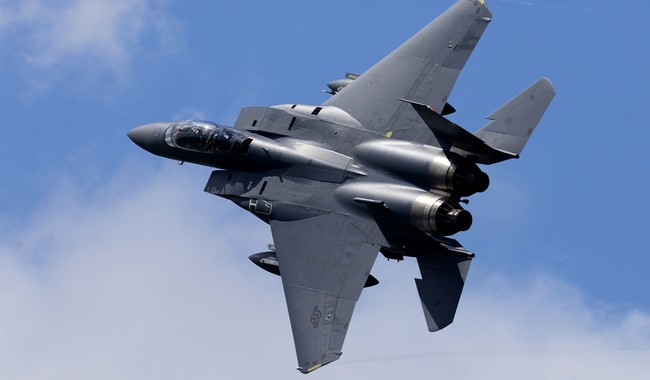
Three United States F-15E Strike Eagle combat aircraft, engaged in supporting Operation Epic Fury, were reportedly brought down by Kuwaiti air defense systems in what officials are describing as a friendly fire incident. The event, which transpired earlier this week, saw all six American aircrew members successfully eject from their respective planes. Following their ejection, all personnel were recovered and are reported to be in stable medical condition. Unofficial reports and a significant volume of social media content suggest that local Kuwaiti citizens played a crucial role in assisting and rescuing some of the downed pilots, fostering a narrative of gratitude and cooperation. While numerous photos and videos purportedly depicting the airmen during and after the incident are circulating widely online, official confirmation of their authenticity remains pending from military authorities. However, the absence of 'community notes' on these posts and a lack of disavowal from CENTCOM lend them a degree of unofficial credibility, fueling public interest and discussion.
The circumstances surrounding this incident underscore the inherent complexities and potential hazards of multinational military operations, particularly in regions marked by geopolitical sensitivities. The F-15E Strike Eagles were operating as part of Operation Epic Fury, an ongoing military endeavor whose precise objectives, while not fully detailed in the available reports, imply a dynamic operational environment. According to various accounts, including information shared by commentator Marina Medvin, the Kuwaiti air defenses mistakenly identified the American jets as hostile Iranian aircraft, leading to the accidental engagement. This misidentification highlights the critical importance of robust identification friend or foe (IFF) systems and seamless communication protocols among allied forces. The F-15E is a highly advanced, multirole fighter aircraft, and the loss of three such assets, even without casualties, represents a considerable operational impact and a significant material cost within the context of the broader mission.
Initial details of the friendly fire incident were first reported on Monday by sources such as Ben Smith of RedState, bringing the event to public attention. Since then, social media platforms have become a primary conduit for the dissemination of visual evidence, including images and videos that purportedly show the downed aircraft and the subsequent recovery of the airmen. Although these visuals have not received official verification, their widespread circulation without any official challenge or 'community notes' from platforms suggests a degree of unofficial acceptance of their veracity. Kuwaiti authorities have issued a statement confirming the stable health of the pilots, who, according to reports, are currently remaining within Kuwait. Among the recovered aircrew, it has been specifically noted that at least one pilot is female, and she is also reported to be safe and accounted for. The recurring theme across multiple reports is the active involvement of local Kuwaiti citizens in assisting the ejected pilots, reinforcing a positive narrative of civilian support and inter-allied relations on the ground.
This friendly fire incident is poised to trigger comprehensive reviews and analyses concerning interoperability, communication failures, and identification protocols among allied forces operating in complex airspaces. Military experts will likely scrutinize the precise sequence of events that led to the misidentification, particularly considering the advanced technological safeguards typically in place to prevent such occurrences between allied nations. The rapid spread of unconfirmed information via social media platforms also highlights the evolving challenges military commands face in managing public narratives and delivering timely, accurate official updates in the digital age. This event could prompt a re-evaluation of joint operational procedures between the United States and Kuwait, potentially leading to enhanced training exercises, technological upgrades, or revised rules of engagement to mitigate future risks. While the safe recovery of all personnel is a significant positive outcome, the material loss of three F-15E aircraft undeniably impacts the operational capabilities of Operation Epic Fury, even if temporarily.
The accidental downing of three U.S. F-15E Strike Eagles by Kuwaiti air defenses during Operation Epic Fury, while thankfully resulting in no fatalities, marks a serious incident demanding thorough investigation. The successful and safe recovery of all six American aircrew members, reportedly aided by local Kuwaiti citizens, stands out as a crucial positive aspect amidst the friendly fire event. Although official confirmations regarding the widely circulated social media content are still pending, the lack of disavowals from relevant military authorities suggests their potential authenticity. Moving forward, the primary focus will undoubtedly be on the official investigations into the precise cause of the misidentification and any subsequent adjustments to joint operational protocols and communication systems between the United States and Kuwait. This incident serves as a stark reminder of the inherent risks in military operations and underscores the critical importance of robust identification, communication, and coordination systems among allied forces to prevent similar occurrences in the future.