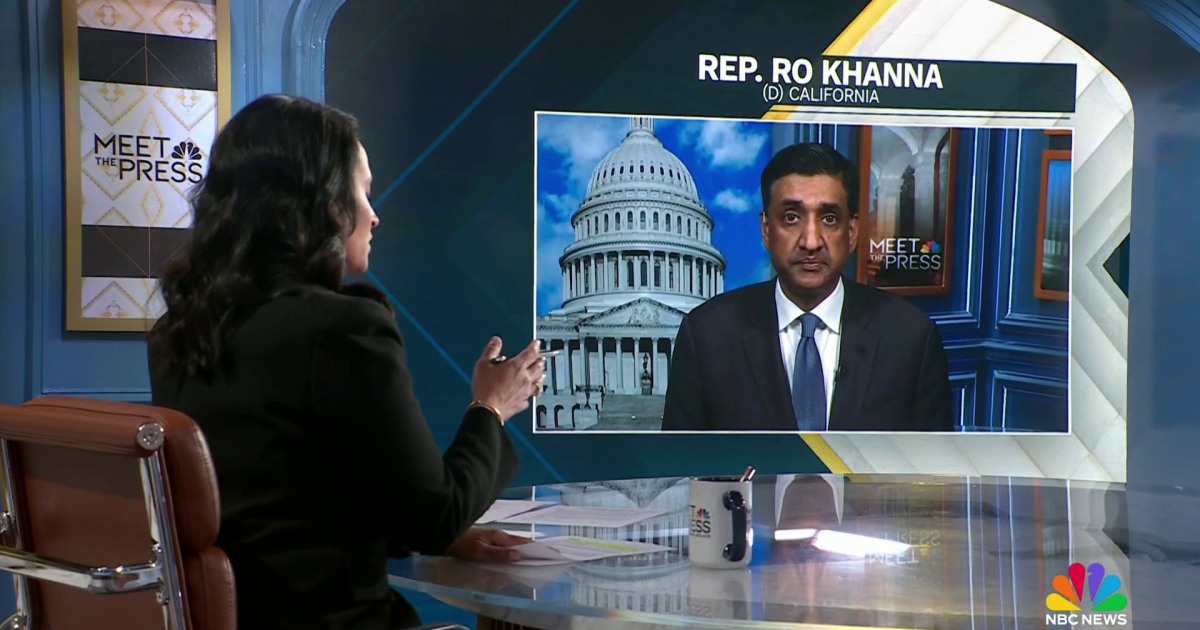
U.S. Representative Ro Khanna, a Democratic Congressman representing California's 17th district, has publicly urged former President Donald Trump to voluntarily provide testimony in connection with the ongoing investigation into the late financier Jeffrey Epstein. This call, as reported by various outlets, specifically references the precedent set by former President Bill Clinton, who, according to reports, previously offered his testimony in relation to the same high-profile probe. Khanna's statement, delivered from his position as a sitting legislator, underscores a perceived need for transparency and cooperation from individuals who have occupied, or continue to occupy, positions of significant public trust and influence. The emphasis on "voluntary" participation suggests a desire for proactive engagement with an inquiry that has garnered extensive public and media attention due to its sensitive nature and the alleged involvement of numerous prominent individuals. This public request from a federal lawmaker to a former head of state, citing a previous presidential example, adds a notable dimension to the ongoing scrutiny surrounding the Epstein case and the broader expectations for accountability among public figures.
The request for testimony from a former president in connection with the Epstein probe is a significant development, reflecting the enduring public and legal interest in the case. Jeffrey Epstein, a convicted sex offender, was known for cultivating relationships with powerful and influential individuals across various sectors, including politics, finance, and entertainment. His death in 2019 while awaiting trial on sex trafficking charges sparked widespread speculation and intensified calls for a thorough investigation into his network and any potential accomplices. The ongoing legal and investigative processes have aimed to uncover the full extent of his activities and hold accountable those who may have facilitated or benefited from them. In such high-stakes investigations, the cooperation of individuals who may possess relevant information, regardless of their public stature, is often deemed crucial for achieving comprehensive justice and ensuring public confidence in the legal system. The precedent of a former president, such as Bill Clinton, providing testimony, as cited by Representative Khanna, highlights the extraordinary nature of these inquiries and the potential for public figures to play a role in shedding light on complex matters.
Representative Khanna's specific emphasis on "voluntary" testimony carries particular weight in the context of high-profile investigations. Voluntary cooperation implies a willingness to assist authorities without the need for a subpoena or other legal compulsion, often seen as a gesture of good faith and commitment to transparency. For individuals in positions of power, offering voluntary testimony can be a strategic decision, potentially allowing them to shape their narrative or demonstrate a commitment to truth-seeking. Conversely, a refusal to testify voluntarily might be perceived negatively by the public, raising questions about potential undisclosed information or an unwillingness to engage with the investigative process. The reference to former President Bill Clinton's prior testimony serves as a direct example of a former head of state engaging with the Epstein probe, suggesting that such cooperation is not unprecedented for individuals of that stature. While the specifics of Clinton's testimony are not detailed in the source, its mere occurrence as a point of comparison by Khanna underscores the expectation that public figures, including former presidents, should be prepared to contribute to investigations that touch upon matters of significant public concern. This comparison implicitly frames the current request as a call for consistent standards of accountability and civic duty among the nation's most prominent citizens.
The public call by Representative Khanna for former President Trump to testify voluntarily carries significant political and ethical implications. From a political standpoint, such a statement from a sitting Congressman can serve multiple purposes: it can pressure the individual in question, signal a commitment to accountability within the lawmaker's own party, and keep a high-profile issue in the public discourse. For former President Trump, the decision to testify or not would undoubtedly be weighed against potential legal ramifications, public perception, and his ongoing political activities. His past interactions with Jeffrey Epstein have been a subject of public scrutiny, making any potential testimony a matter of intense interest. Ethically, the call for voluntary testimony speaks to the principle that no one, regardless of their status, should be above the law or immune from contributing to investigations that seek justice for victims. The comparison to Bill Clinton's prior cooperation further reinforces this principle, suggesting a standard of conduct for former presidents. This situation highlights the ongoing tension between the privacy rights of individuals and the public's demand for transparency and accountability, particularly when powerful figures are involved in cases with profound societal impact. The implications extend beyond the immediate request, touching upon the broader expectations of civic duty and moral leadership from those who have held the nation's highest office.
In conclusion, Representative Ro Khanna's public appeal for former President Donald Trump to voluntarily testify in the Jeffrey Epstein investigation marks a notable moment in the ongoing scrutiny surrounding the case. By citing former President Bill Clinton's previous cooperation, Khanna has established a clear precedent and an implicit standard for engagement from former heads of state in matters of significant public interest. This call underscores the persistent demand for transparency and accountability, emphasizing that even the nation's most influential figures are expected to contribute to the pursuit of justice. The decision facing former President Trump regarding this request will undoubtedly be subject to intense public and media attention, shaping perceptions of his willingness to engage with critical inquiries. As the Epstein probe continues to unfold, the focus remains on ensuring comprehensive investigation and upholding the principle that all individuals, regardless of their stature, are subject to the same expectations of civic responsibility and cooperation in the legal process.