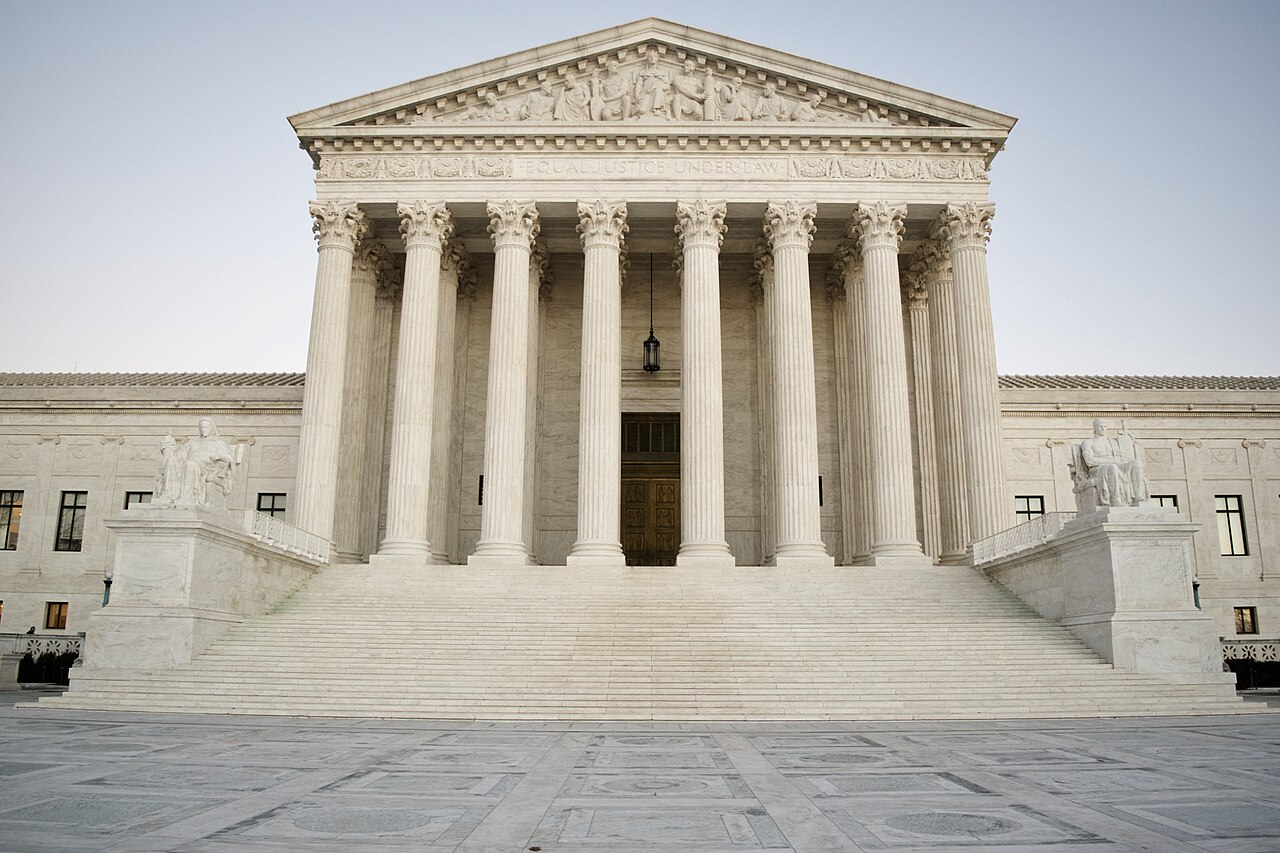
The United States Supreme Court recently issued a unanimous decision that significantly clarifies the standard for federal courts reviewing asylum claims, particularly those involving individuals who entered the country without authorization. On Wednesday, the high court sided with the prior presidential administration's stance, affirming that appellate courts must apply a rigorous "substantial-evidence standard" when evaluating an immigration agency's conclusion that a set of undisputed facts does not constitute persecution. This landmark ruling, detailed in the case known as Urias-Orellana v. Bondi, effectively reinforces the authority of immigration judges (IJs) in determining the validity of asylum petitions. The decision establishes a higher bar for overturning an IJ's findings on appeal, emphasizing judicial deference to the initial administrative determinations made by immigration authorities. This outcome is poised to have broad implications for the thousands of asylum seekers whose cases are processed through the U.S. immigration system annually, shaping the landscape of immigration litigation and the pathways available to those seeking refuge.
The case at the heart of this Supreme Court decision involved Humberto Urias-Orellana, a national of El Salvador who, alongside his family, reportedly fled his home country due to severe violence. According to reports, Urias-Orellana entered the United States without authorization in 2021 and was subsequently designated for removal by federal officials. In response to this designation, he sought asylum, arguing that he and his family faced persecution in El Salvador, a claim that, if substantiated, could grant them legal protection under U.S. law. The process for seeking asylum in the U.S. is complex, typically beginning with an application reviewed by an immigration judge. These judges are tasked with evaluating the credibility of an applicant's claims and determining whether the alleged experiences meet the legal definition of persecution required for asylum eligibility under the Immigration and Nationality Act (INA). Urias-Orellana's initial asylum petition was rejected by an immigration judge, who concluded that the reported violence did not meet the threshold for persecution, thereby disqualifying him from asylum. This initial determination became the focal point of a multi-tiered legal challenge that eventually reached the nation's highest court.
Following the immigration judge's initial rejection of Urias-Orellana's asylum claim, the Salvadoran national pursued appeals through the established legal channels. His case first went before the Board of Immigration Appeals, the highest administrative body for interpreting and applying immigration laws. The Board affirmed the immigration judge's findings, agreeing that the alleged violence did not constitute persecution under the relevant statutes. Subsequently, Urias-Orellana appealed to the 1st Circuit Court of Appeals, which also upheld the lower rulings. The core legal question that prompted the Supreme Court to grant certiorari was whether the Court of Appeals had applied the correct standard of review as mandated by the Immigration and Nationality Act. Associate Justice Ketanji Brown Jackson, writing for the unanimous court, articulated the Supreme Court's conclusion, stating that the statute necessitates the application of a "substantial-evidence standard" when reviewing an agency's determination that a given set of undisputed facts does not amount to persecution. This ruling effectively means that appellate courts must find a significant lack of evidence to overturn an immigration judge's factual conclusions, rather than re-evaluating the facts de novo.
This unanimous Supreme Court decision carries significant implications for the U.S. immigration system and the future of asylum adjudications. By mandating the application of a "substantial-evidence standard," the ruling effectively strengthens the authority and finality of decisions made by immigration judges and the Board of Immigration Appeals. This standard makes it considerably more challenging for asylum seekers to overturn adverse decisions on appeal, as federal courts will now be required to show a high degree of deference to the administrative findings, rather than conducting a more expansive review of the facts. Legal experts suggest that this could lead to fewer successful appeals for asylum applicants, potentially streamlining the removal process for those whose claims are denied at the administrative level. The ruling underscores a judicial philosophy that prioritizes the expertise of administrative agencies in factual determinations related to complex immigration matters. This shift could influence how future asylum cases are prepared and presented, placing an even greater emphasis on the initial proceedings before an immigration judge, as their findings will now be more difficult to challenge in higher courts.
In conclusion, the Supreme Court's unanimous ruling in Urias-Orellana v. Bondi marks a pivotal moment in U.S. immigration law, solidifying the standard of review for asylum cases. By requiring federal appellate courts to apply a "substantial-evidence standard" to immigration agency conclusions regarding persecution, the decision significantly enhances the deference given to immigration judges' initial determinations. This outcome, which sided with the previous administration's position, is expected to reduce the likelihood of successful appeals for asylum seekers whose claims are denied at the administrative level. As the legal community and immigration advocates digest the full ramifications of this ruling, attention will likely turn to how this heightened standard of review impacts the overall efficiency and fairness of the asylum process. Future developments will reveal whether this decision leads to a measurable change in asylum grant rates or prompts legislative efforts to re-evaluate the judicial review framework for these critical humanitarian cases.