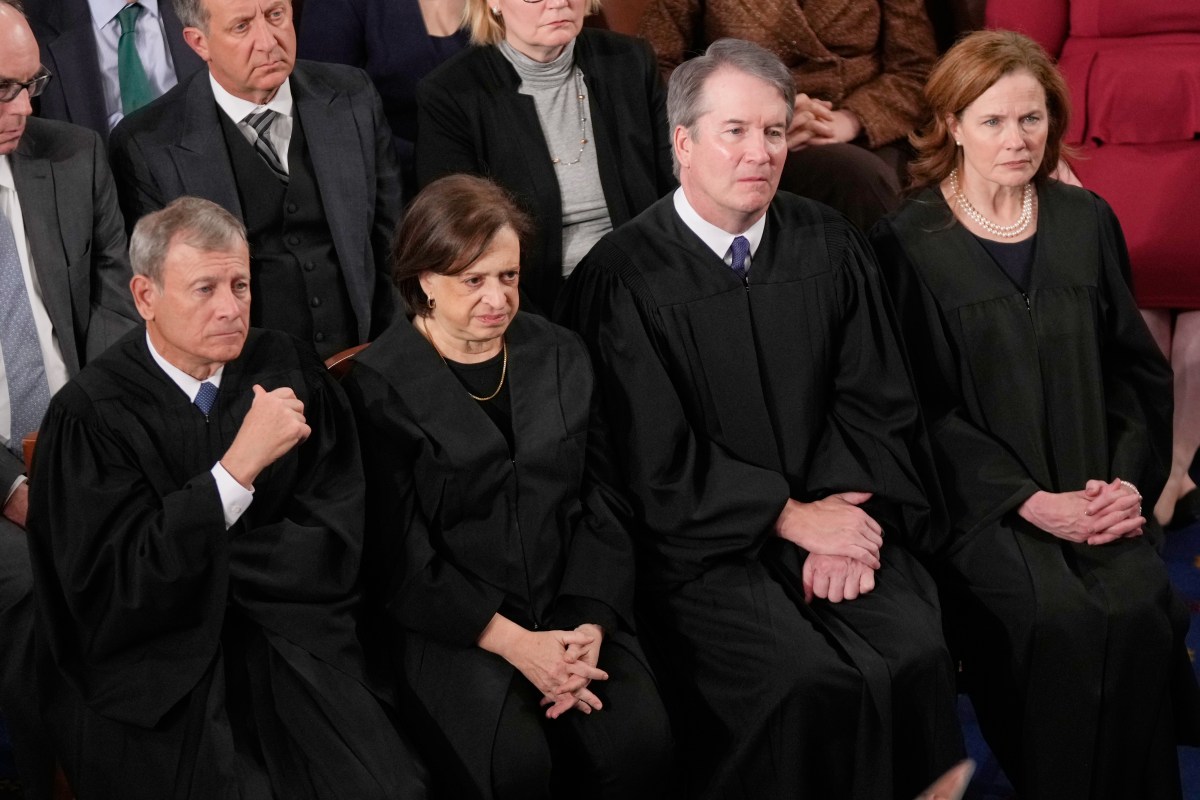
The United States Supreme Court issued an emergency order on Monday, temporarily suspending a California education policy that restricted school personnel from informing parents about a student's gender expression. This significant intervention halts an approach that California officials assert is designed to safeguard transgender students from potential familial rejection or abuse. The high court's decision provides interim relief to parents who challenged the policy, arguing it infringes upon their constitutional rights. This move by the justices underscores the escalating national debate surrounding parental involvement in schools and the privacy rights of transgender youth, particularly concerning social transitions within educational settings. The ruling, while not a final judgment on the policy's legality, signals the court's initial inclination regarding the merits of the parents' claims, according to legal observers.
This recent Supreme Court action is a pivotal moment in a protracted legal battle over the extent of parental rights versus student privacy in public schools. The core of the dispute revolves around whether parents possess an inherent right to be informed if their child is undergoing a social transition at school, and conversely, whether school districts are obligated to uphold a student's request for confidentiality, especially when disclosure could lead to harm. The nation's highest court has, until now, largely refrained from directly addressing these complex questions on its regular docket, despite repeated requests. The case reached the Supreme Court after the 9th U.S. Circuit Court of Appeals had permitted California's policy to remain in effect while the underlying litigation proceeded, effectively pausing an earlier injunction issued by U.S. District Judge Roger Benitez, who had previously sided with the parents and educators challenging the state's regulations.
In an unsigned order, the Supreme Court justices indicated that parents seeking religious exemptions from the California policy were likely to succeed in their assertion that it violates the Constitution's Free Exercise Clause. This specific finding suggests the court sees a strong potential for the policy to be deemed unconstitutional on religious freedom grounds. It is noteworthy that while the high court granted relief to the parents involved in the lawsuit, it declined to extend the same protective measure to the teachers who had also joined the legal challenge. This distinction highlights a nuanced approach to the various plaintiffs' claims. The state of California has consistently maintained that its policy is a crucial measure for protecting vulnerable transgender students, aiming to create a supportive school environment where students can explore their identities without fear of adverse consequences at home, according to official statements.
Legal analysts suggest that while this is an emergency, temporary injunction, the Supreme Court's reasoning provides a strong indication of its stance on the constitutional arguments presented. The assertion that parents are 'likely to succeed' on their Free Exercise Clause claim implies a significant hurdle for California's policy to overcome as the litigation continues. This ruling could have broader implications for similar policies enacted or considered in other states, potentially emboldening parental rights advocates nationwide. Observers point out that the court's decision to grant relief specifically to parents, but not teachers, might reflect a careful consideration of the different legal standing and constitutional claims each group presented. The ongoing legal process will now likely see the case return to lower courts, where the full merits of the policy will continue to be debated, with the Supreme Court's preliminary assessment now a key factor.
The Supreme Court's temporary halt of California's parental notification policy marks a significant development in the contentious debate over transgender student rights and parental authority in education. By siding with parents on religious freedom grounds, the court has signaled a potential shift in how these issues may be adjudicated moving forward. This emergency order does not resolve the underlying legal questions permanently, but it provides a critical insight into the justices' current thinking. As the case proceeds through the judicial system, all eyes will be on how lower courts interpret this guidance and whether the Supreme Court will eventually take up the full case on its regular docket, potentially setting a national precedent for these complex and deeply personal issues.