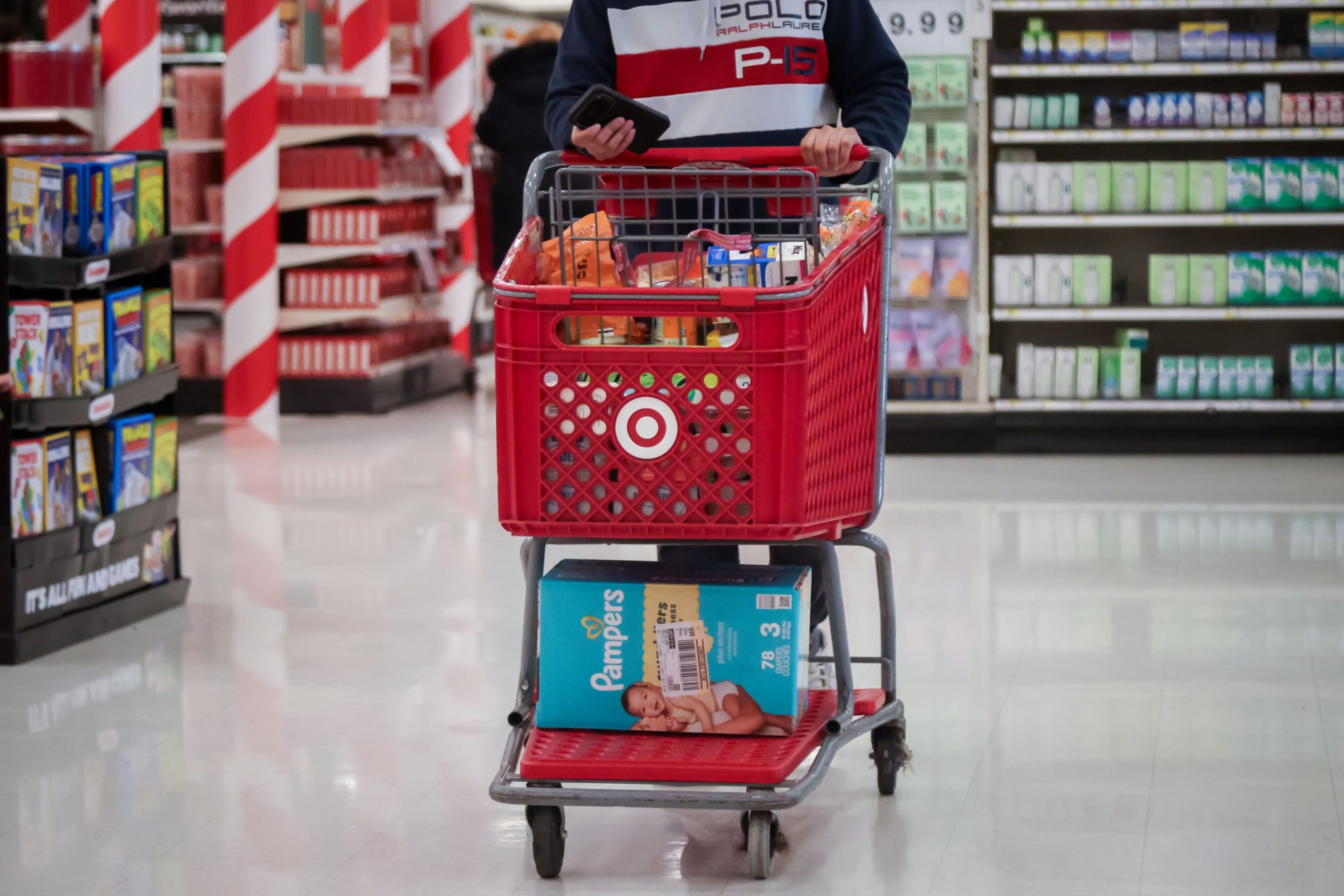
The prominent big-box retailer Target is embarking on a significant strategic overhaul, moving away from its broad "everything store" approach to concentrate on core categories like baby care products and groceries. This pivotal shift, articulated by new CEO Michael Fiddelke to investors recently, is part of an ambitious plan to re-engage customers and reverse a period of stagnant growth that followed a pandemic-driven revenue surge. To support this renewed focus, the company is committing an additional $1 billion towards enhancing its supply chain, technological infrastructure, and in-store operations, including staffing improvements. This comprehensive turnaround vision was unveiled shortly after the retailer released its latest quarterly earnings report, which presented a mixed financial picture, according to reports. The company aims to specifically cater to the needs of "busy families," signaling a targeted effort to refine its market position amidst intense retail competition and evolving consumer demands.
This strategic reorientation comes as Target navigates a challenging post-pandemic retail landscape. After experiencing a significant boost in revenue during the pandemic, the retailer has since faced a period of stagnation, prompting the need for a decisive turnaround strategy. Reports indicate that customer feedback has highlighted concerns regarding perceived inventory shortages within stores, alongside dissatisfaction with recent adjustments to the company's diversity, equity, and inclusion (DEI) initiatives. These factors have contributed to a challenging environment for the company, which has been actively seeking ways to revitalize its appeal and operational efficiency. The decision to narrow its product focus reflects an acknowledgment of these challenges, aiming to streamline operations and enhance the shopping experience in key areas where it believes it can offer superior value and convenience, particularly for its identified core demographic of busy families. This strategic pivot is crucial for the retailer as it strives to regain momentum and solidify its market position against formidable competitors in the retail sector.
The financial results preceding this strategic announcement painted a complex picture for the retailer. For the quarter concluding on January 31st, Target recorded its fourth consecutive period of declining customer traffic, both in its physical stores and across its digital platforms. Furthermore, the company's revenue figures fell short of the already conservative projections made by Wall Street analysts, underscoring the urgency of the new direction. Despite these revenue challenges, the earnings report did contain some positive indicators; the company's overall earnings managed to surpass analyst expectations. A particularly strong performance was noted in Target's same-day delivery services, which experienced growth exceeding 30%. This segment's success positions Target competitively against offerings from major rivals like Walmart and Amazon, according to market observers. The substantial $1 billion investment is earmarked for critical areas including the modernization of its supply chain, upgrades to its technology infrastructure, and enhancements to its physical store environments, which also encompasses increased staffing, officials stated. This investment follows earlier cost-cutting measures, including the elimination of approximately 1,800 corporate positions in October, as the company seeks to optimize its operational structure.
This strategic pivot by Target signifies a broader trend within the retail sector, where general merchandise giants are increasingly refining their value propositions to combat market saturation and evolving consumer behaviors. By narrowing its focus to essential categories like baby care and groceries, Target appears to be betting on consistent demand and the potential for higher frequency purchases from its target demographic of "busy families." This approach could allow the company to optimize inventory management, improve supply chain efficiency for these specific product lines, and potentially enhance the in-store experience by ensuring better stock levels and product availability in high-demand areas. Experts suggest that moving away from the "everything store" model, while seemingly counterintuitive in an age of vast online marketplaces, could enable Target to carve out a more distinct niche and strengthen customer loyalty in specific segments. The substantial investment in supply chain and technology is critical, as efficient logistics and seamless digital integration are paramount for success in today's competitive retail environment, particularly for services like same-day delivery which have proven to be a bright spot for the company. The challenge will be executing this strategy effectively while managing customer expectations across its remaining product categories.
In summary, Target is embarking on a significant strategic transformation, shifting its emphasis from a broad general merchandise retailer to a more specialized provider of essentials, particularly for busy families. This move, spearheaded by CEO Michael Fiddelke, is underpinned by a substantial $1 billion investment aimed at bolstering its operational backbone, from supply chain to in-store experience. While the company has faced recent challenges including declining traffic and revenue shortfalls, its ability to exceed earnings estimates and grow its same-day delivery services offers a glimmer of optimism. Looking ahead, Target projects a modest 2% growth in net sales for the current fiscal year, indicating an expectation of emerging from its current slump. The success of this focused strategy will hinge on its execution, particularly in how effectively it can deliver on its promise of improved availability and a more tailored shopping experience in its chosen core categories, while also addressing broader customer sentiment. Observers will closely monitor upcoming earnings reports and customer satisfaction metrics to gauge the effectiveness of this ambitious turnaround plan.