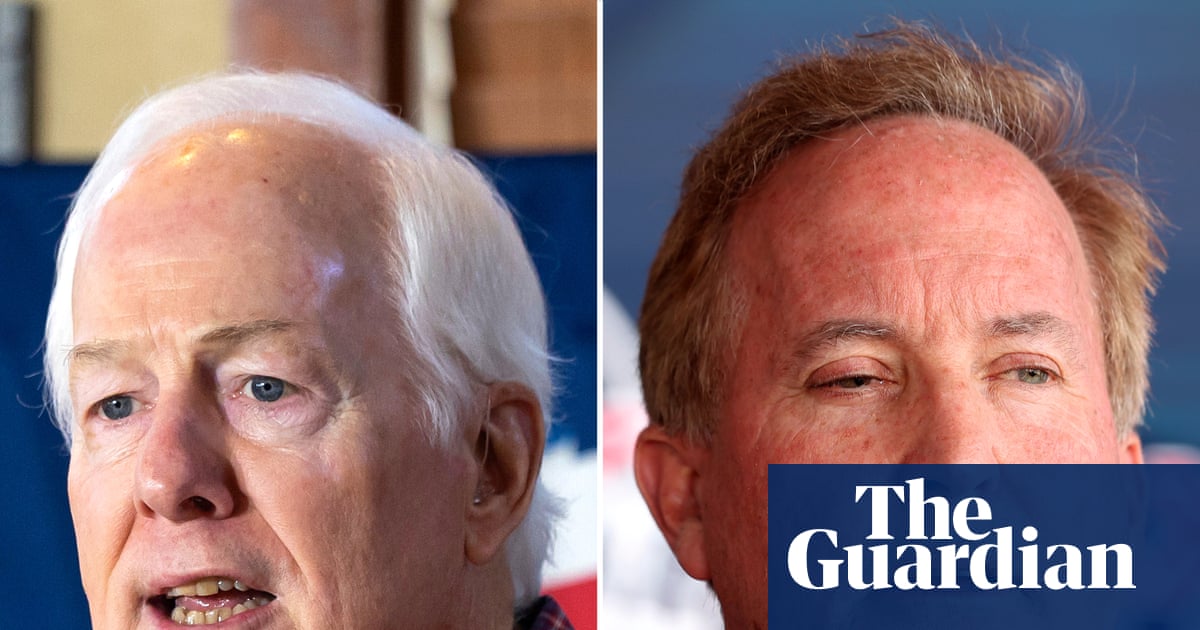
A critical Republican primary contest for a United States Senate seat in Texas has culminated in a runoff election, as neither the incumbent, four-term Senator John Cornyn, nor the state's Attorney General, Ken Paxton, managed to secure the requisite majority of votes. Reports indicate that the initial primary vote, held on Tuesday, did not yield a clear winner, thereby triggering a second electoral phase. Under Texas election statutes, a runoff is mandated when no single candidate in a primary race achieves more than 50 percent of the ballots cast. This outcome sets the stage for a decisive confrontation between the two prominent Republican figures, scheduled to take place on May 26. The contest has been characterized by observers as a particularly intense and 'bitter' intra-party battle, underscoring the significant stakes involved in representing one of the nation's largest and most politically influential states in the federal legislature.
The necessity of a runoff election in Texas underscores a fundamental aspect of the state's electoral framework, designed to ensure that primary nominees command a clear majority of their party's support before advancing to the general election. This system, which requires a candidate to cross the 50 percent threshold, often leads to extended campaign periods and intensified competition, particularly in high-profile races such as a U.S. Senate contest. For a state as electorally significant as Texas, a protracted primary battle carries considerable implications for the Republican Party, which has long held a dominant position in the state's political landscape. The involvement of a seasoned incumbent like Senator Cornyn, who has served four terms, against a formidable challenger in Attorney General Paxton, highlights the internal dynamics and potential ideological divisions within the state's Republican base, making the runoff a closely watched event for political strategists nationwide.
The upcoming May 26 runoff will require both Senator Cornyn and Attorney General Paxton to redouble their campaign efforts, appealing to voters who may have initially supported other candidates in the primary, or those who did not participate in the first round. While specific vote percentages for the leading candidates or the performance of other contenders were not detailed in initial reports, the outcome unequivocally demonstrates that neither Cornyn nor Paxton garnered an outright majority, necessitating this second electoral contest. This extended campaign period typically involves increased fundraising, more targeted messaging, and heightened voter outreach as each candidate strives to consolidate support and persuade undecided voters. For the Texas Republican Party, the runoff signifies a continued expenditure of resources and energy on an internal contest, potentially diverting attention and funds from preparations for the general election later in the year, according to political analysts.
Political observers suggest that the runoff outcome reflects a robust challenge to the incumbent Senator Cornyn, indicating a segment of the Republican electorate in Texas may be seeking a different direction or leadership style. The 'bitter' nature of the primary, as described in initial reports, could point to significant ideological or strategic differences between the two candidates, or perhaps a broader dissatisfaction among some voters with the status quo. For the Republican Party nationally, a prolonged and contentious primary in a key state like Texas can be a double-edged sword: it can energize the base, but also risk creating divisions that could linger into the general election. Analysts will be closely watching how each candidate adapts their message and strategy for the runoff, particularly in terms of appealing to the diverse factions within the Texas Republican Party and securing a decisive victory ahead of the broader electoral challenges.
As the Texas Republican primary for the U.S. Senate seat heads into a runoff, the political spotlight remains firmly fixed on the contest between Senator John Cornyn and Attorney General Ken Paxton. The May 26 election will serve as the definitive decider, determining which of these two prominent figures will represent the Republican Party in the general election. The extended campaign period promises intensified political activity and a focused battle for voter support. Observers will be keenly watching how the dynamics of this intra-party struggle evolve, what new strategies emerge from both campaigns, and ultimately, how the outcome shapes the Republican Party's trajectory in Texas and its broader influence on the national political stage.