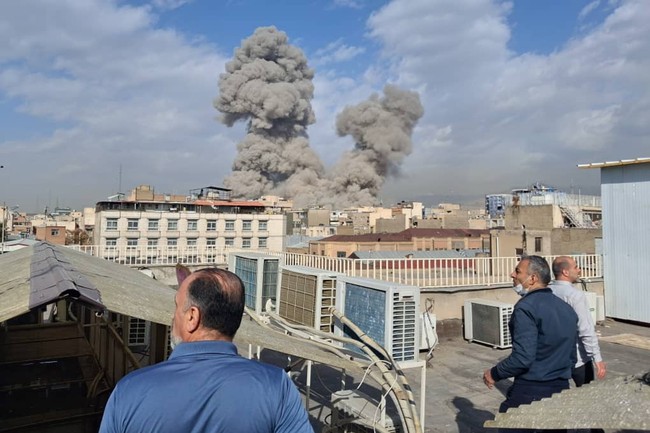
Current military actions have intensified discussions concerning the extent and character of American involvement in the Middle East, prompting a renewed examination of the nation's strategic approach. Acknowledging the public's understandable memory of the significant investments and human costs of past conflicts in Iraq and Afghanistan, a specific perspective, frequently termed the 'America First' strategy, posits a vital difference between focused military actions and comprehensive warfare. Proponents of this view assert that recent operations, primarily conducted by air and naval forces, are precisely engineered to influence adversary behavior without escalating into a wider conflict requiring ground forces or prolonged occupation. According to various reports, this analytical framework seeks to mitigate automatic public concern, often stemming from previous military interventions, by highlighting the precise characteristics, restricted reach, and strategic goals of present engagements. This approach aims to reframe the public discourse, emphasizing a calculated, rather than expansive, use of military power.
American presidents have historically employed targeted military actions as a well-established foreign policy instrument, distinct from formal declarations of war. Historical records indicate that various administrations, regardless of political affiliation, have utilized these operations to achieve particular strategic goals without committing to extended ground engagements. For instance, former President Bill Clinton authorized strikes in Sudan and Afghanistan, demonstrating an early precedent for such limited interventions. Similarly, President Barack Obama oversaw comparable operations in Libya, Syria, and Yemen, further solidifying the practice of using precision strikes to address specific threats. More recent instances include President Donald Trump's 2020 order for the strike against Iranian General Qasem Soleimani and his directive for Operation Midnight Hammer targeting Iranian nuclear sites last June. This recurring historical trend, as indicated by sources, reinforces the contention that these circumscribed, air-focused interventions differ fundamentally from the drawn-out, ground-heavy conflicts characteristic of previous decades, offering a distinct tool in the foreign policy arsenal.
The 'America First' viewpoint emphasizes that an objective evaluation of facts is crucial, urging a move beyond instinctual reactions when confronting intricate geopolitical scenarios. This perspective contends that recent air and sea operations are not precursors to a broader conflict but rather carefully calibrated measures designed to achieve specific strategic outcomes. Officials stated that these operations are intended to compel behavioral shifts from adversaries, focusing on deterrence and disruption without the extensive commitment of ground troops or the complexities of occupation. The limited scope and strategic objectives are central to this argument, aiming to differentiate these actions from the protracted engagements that have historically led to significant public apprehension. The distinction is drawn sharply between surgical strikes, which are presented as a means to protect national interests, and the comprehensive, costly wars that many Americans recall from recent history.
This 'America First' analysis seeks to redefine the parameters of military engagement, particularly in volatile regions like the Middle East. By drawing a clear line between targeted strikes and full-scale warfare, proponents aim to garner public support for interventions that are perceived as necessary and proportionate, rather than open-ended commitments. Expert perspectives suggest that this framing is crucial for maintaining domestic consensus on foreign policy actions, especially given the public's wariness after prolonged conflicts. The strategy implies a more agile and less resource-intensive approach to national security, focusing on precision and immediate impact. However, the long-term effectiveness of compelling behavioral shifts through limited strikes, without broader diplomatic or economic pressure, remains a subject of ongoing debate among international relations analysts. This approach represents a significant shift in how military power is conceptualized and communicated to the American populace, aiming to manage expectations and mitigate the specter of past entanglements.
In summary, the ongoing debate surrounding U.S. military involvement in the Middle East is being significantly shaped by the 'America First' argument, which advocates for a clear distinction between targeted military strikes and extensive, full-scale warfare. This perspective, supported by a history of presidential actions from various administrations, positions limited air and sea operations as a distinct foreign policy instrument designed to achieve specific strategic aims and compel adversary behavior without committing to prolonged ground conflicts or occupations. As the nation navigates complex geopolitical challenges, this framework seeks to counter public apprehension by emphasizing the precise nature and restricted scope of current engagements. Moving forward, observers will closely watch how this distinction influences future policy decisions and public discourse regarding America's role in global security, particularly concerning its engagement in the Middle East.