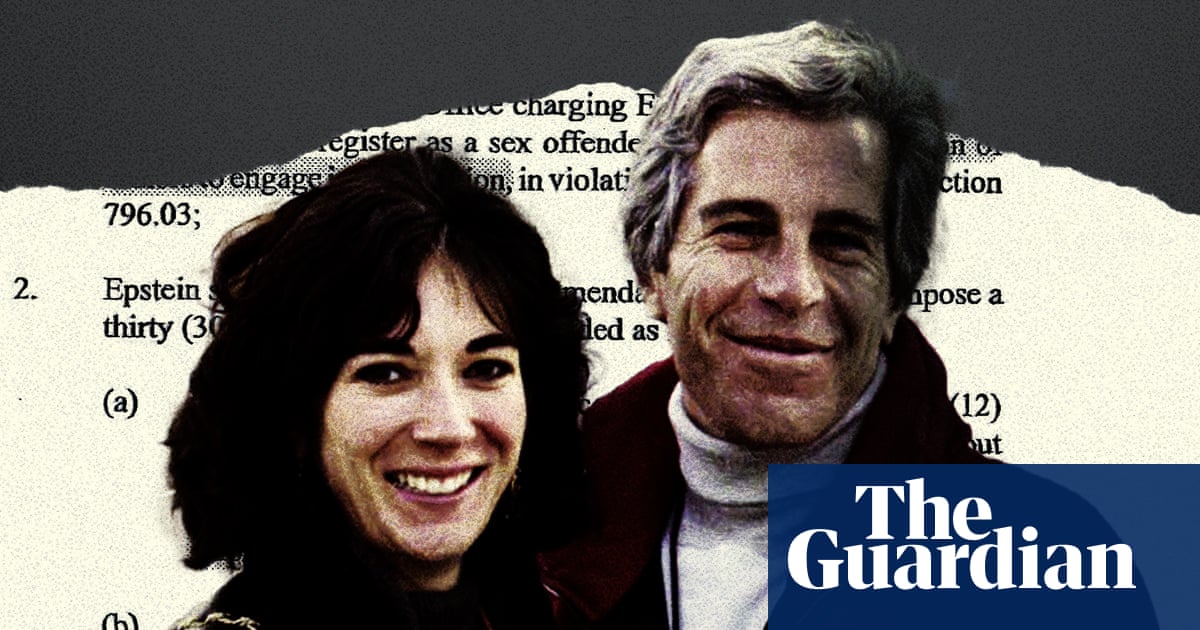
Weeks following the public release of over three million investigative documents pertaining to the late financier and convicted sex offender Jeffrey Epstein by justice department officials, a striking disparity in accountability has emerged between the United States and the United Kingdom. While American authorities have yet to announce any new arrests of potential co-conspirators on US soil, British law enforcement has recently apprehended high-profile individuals. Notably, former royal Prince Andrew Mountbatten-Windsor was taken into custody on February 19th, suspected of misconduct in public office. Days later, ex-Washington ambassador Peter Mandelson also faced arrest under similar suspicions. These developments in the UK, though not directly related to Epstein's sexual misconduct allegations, have intensified scrutiny on the lack of federal criminal prosecutions in the US, prompting critical questions about whether those implicated in Epstein's network will ultimately face justice on American soil, a demand long echoed by victims and their advocates.
The broader context of the Jeffrey Epstein scandal underscores a persistent demand for comprehensive accountability, particularly from the numerous victims and their advocates who have tirelessly sought justice for years. In the United States, the repercussions for individuals associated with the disgraced sex trafficker have largely been confined to a series of solemn resignations and public apologies. These actions, while acknowledging some level of association or impropriety, fall significantly short of the high-level criminal prosecutions that many have called for. The last major apprehension in the US directly linked to Epstein's network was that of his accomplice, Ghislaine Maxwell, in 2020. Since then, despite ongoing public interest and the recent deluge of investigative materials, the American legal landscape has remained static concerning new criminal charges against other alleged co-conspirators, leaving a palpable sense of frustration among those seeking more definitive legal action against those who enabled Epstein's crimes.
The recent actions by British authorities present a stark contrast to the perceived inertia across the Atlantic. On February 19, Prince Andrew Mountbatten-Windsor was arrested by UK law enforcement, facing allegations of misconduct in public office. This was followed shortly thereafter by the arrest of Peter Mandelson, a former Washington ambassador, on similar grounds. It is crucial to note, however, that officials have clarified that neither individual was arrested in connection with Epstein-related sexual misconduct allegations, and Prince Andrew has consistently and vehemently denied any such claims in previous public statements. Meanwhile, within the United States, the response has primarily manifested through political channels rather than federal criminal enforcement. Congressional investigations have commenced, and New Mexico's chief prosecutor has initiated an inquiry into Epstein's ranch property located in the Santa Fe area. Yet, significant federal action from the Department of Justice, currently led by Trump loyalist Pam Bondi, has been notably absent, further fueling public debate about the scope and pace of justice.
Legal experts consulted by the Guardian have offered several insights into the potential reasons behind the lack of federal arrests in the United States since Ghislaine Maxwell's apprehension in 2020. One primary factor cited is the inherent legal challenges involved in prosecuting such complex cases, specifically the difficulty in accumulating sufficient evidence to establish guilt beyond a reasonable doubt, a stringent standard required for criminal convictions. Beyond evidentiary hurdles, some experts also point to a potential lack of political willpower within federal agencies to pursue these high-profile cases. Kate Mangels, a partner at Kinsella Holley Iser Kump Steinsapir, further elaborated on this perspective, suggesting that federal prosecutors might have already made their charging decisions. According to Mangels, the extensive documents that are now being gradually released, often in redacted form, have been accessible to the Department of Justice for a considerable period, implying that the department has likely already reviewed these materials and determined its course of action regarding potential prosecutions.
The divergent approaches to accountability for Jeffrey Epstein's associates in the United States and the United Kingdom highlight a critical juncture in the pursuit of justice. While British authorities have moved to address alleged misconduct in public office by high-profile figures, the US federal response remains largely focused on political inquiries rather than new criminal arrests. This disparity continues to be a source of profound frustration for victims and advocates who have long sought comprehensive legal consequences for all individuals connected to Epstein's illicit activities. The lingering questions surrounding insufficient evidence, political will, and prior prosecutorial decisions underscore the complex challenges in bringing powerful individuals to justice. As the public continues to scrutinize the released documents, the focus will remain on whether the US Department of Justice will ultimately pursue further criminal charges, or if the current actions represent the final chapter in American federal accountability for the Epstein network.