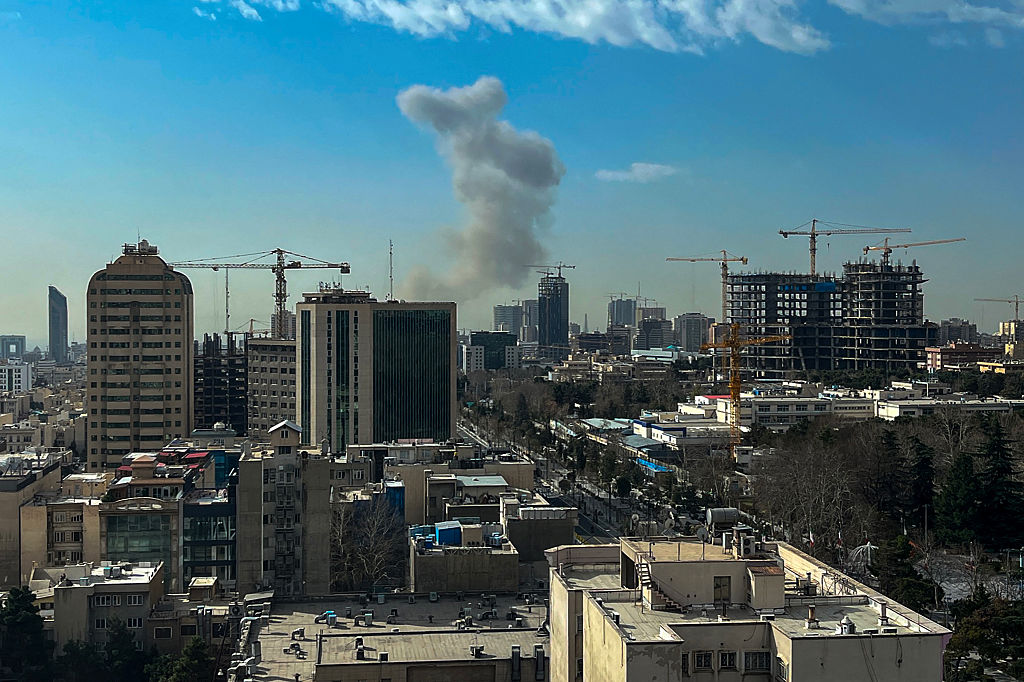
In a dramatic and largely unforeseen escalation, the United States and Israel have reportedly commenced a significant aerial military operation targeting Iran. Official statements from both nations confirm the initiation of this large-scale offensive, which American President Donald Trump is said to have designated "Operation Epic Fury." This military action unfolded mere hours after Tehran had reportedly agreed to an unprecedented and substantial concession regarding its nuclear ambitions: the complete elimination of its existing nuclear stockpile. President Trump, in justifying the sudden offensive, asserted that Iran had declined to engage in diplomatic negotiations and was purportedly committed to "practicing evil," a claim that immediately raises questions given the timing of Iran's recent agreement to dismantle its nuclear program. The Israeli Defense Forces (IDF) also issued statements regarding their involvement, though specific details of their justification were not fully elaborated in initial reports.
The backdrop to this sudden military engagement is decades of complex and often fraught relations between Iran, the United States, and Israel, particularly concerning Iran's nuclear development. For years, international bodies and various world powers have sought to curb Iran's nuclear capabilities, fearing their potential weaponization. Tehran's recent agreement to completely eliminate its nuclear stockpile represented a monumental breakthrough, widely considered an unprecedented diplomatic achievement that could have significantly de-escalated regional tensions. This concession, if fully implemented, would have addressed a primary concern of both Washington and Jerusalem, potentially paving the way for renewed stability in the Middle East. The decision to launch a military campaign so soon after such a significant diplomatic overture marks a profound shift in strategy, bypassing what many observers might have viewed as a critical opportunity for peaceful resolution and raising serious questions about the future of international diplomacy with Iran.
Reports indicate that "Operation Epic Fury" involves a large-scale aerial military campaign, suggesting a significant deployment of air power and potentially extensive targets within Iran. The specific nature and scope of these targets, however, have not been fully disclosed in initial announcements. President Trump's rationale for the operation — that Iran had refused negotiations and was intent on "practicing evil" — stands in stark contrast to the reported agreement by Tehran to eliminate its nuclear stockpile. This discrepancy immediately fuels speculation about the true motivations behind the offensive and whether alternative diplomatic avenues were genuinely exhausted or considered. The timing of the attack, coming just hours after such a major concession, suggests a rapid and decisive shift away from a diplomatic track that had seemingly yielded a significant breakthrough, prompting international concern and calls for clarity from all parties involved.
The implications of this sudden military action are far-reaching and potentially destabilizing for the entire Middle East region and global security. Experts suggest that launching a large-scale offensive immediately after an unprecedented nuclear concession could severely undermine future diplomatic efforts and trust-building between nations. It raises critical questions about the value of negotiations and concessions if military action can still be initiated without a clear, immediate provocation that supersedes a major diplomatic breakthrough. This move could be interpreted by some as an aggressive posture that disregards diplomatic progress, potentially leading to further regional militarization and a cycle of retaliation. The international community will be closely watching for reactions from other global powers and regional actors, as the risk of a wider conflict appears to have significantly increased following this unexpected escalation.
In summary, the initiation of "Operation Epic Fury" by the United States and Israel against Iran, mere hours after Tehran's reported agreement to eliminate its nuclear stockpile, represents a profound and unexpected turn in Middle East geopolitics. President Trump's justification, citing Iran's alleged refusal to negotiate and its intent on "practicing evil," clashes sharply with the reported diplomatic breakthrough. The immediate aftermath will likely see intense international scrutiny, with global leaders and organizations seeking clarification and urging de-escalation. Observers will be watching closely for Iran's response, the extent of the military campaign, and any further statements from Washington and Jerusalem, as the region braces for potential repercussions of this dramatic and seemingly unprovoked military escalation that appears to have bypassed a significant diplomatic opportunity.