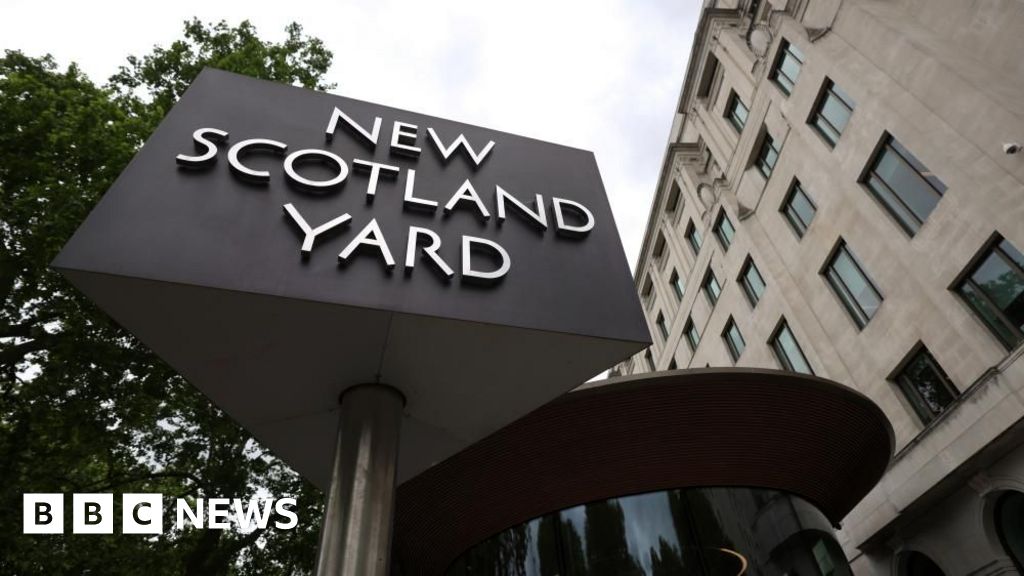
In a significant development concerning national security, three individuals have been apprehended in the United Kingdom on suspicion of engaging in espionage activities on behalf of China. Among those arrested is reportedly the partner of a prominent Labour Member of Parliament, a detail conveyed to the BBC. The suspects, whose ages are recorded as 39, 43, and 68, were taken into custody across separate operations conducted in London and Wales. These arrests are part of an ongoing counter-terrorism policing investigation, initiated under the provisions of the recently enacted National Security Act. Officials from the Metropolitan Police have issued a statement confirming the arrests and assuring the public that there is no immediate or direct threat to safety, while all three individuals remain in custody as inquiries continue. This high-profile case marks a notable application of the UK's updated legislation designed to combat foreign interference.
The arrests underscore the UK's heightened vigilance against state-sponsored espionage and the robust application of its new legal framework. The National Security Act, which became law in 2023, was specifically designed to bolster the nation's defenses against modern threats from hostile states, targeting individuals suspected of working against British interests. The specific accusation against the men involves assisting a foreign intelligence service, falling under section three of this Act. This section criminalizes actions intended to 'materially assist a foreign intelligence service in carrying out UK-related activities,' or any conduct likely to provide such assistance. The investigation has also involved extensive searches at various locations, including sites in London, East Kilbride in Scotland, and Cardiff in Wales, indicating the broad scope of the alleged activities and the thoroughness of the police operation.
Following the arrests, the gravity of the situation was highlighted in the House of Commons by Security Minister Dan Jarvis. He conveyed a firm stance from the UK government, stating unequivocally that the nation would not compromise its security for the sake of economic advantages. This declaration signals a clear prioritization of national defense over potential trade or investment benefits, reflecting a growing global concern about the intersection of economic ties and geopolitical vulnerabilities. Commander Helen Flanagan, who leads Counter Terrorism Policing London, provided further insight into the operational landscape, noting a 'significant increase' in national security casework in recent years. She affirmed the police's commitment to actively working to 'disrupt malign activity where we suspect it,' emphasizing the proactive measures being taken to safeguard the UK from covert threats. The three suspects remain detained as the investigation progresses, with authorities yet to disclose further details regarding their identities or specific alleged actions.
This incident is likely to have significant implications for the delicate diplomatic relationship between the United Kingdom and China, potentially exacerbating existing tensions over issues such as human rights, Hong Kong, and cyber security. Analysts suggest that the arrests, particularly involving an individual linked to a prominent political figure, could intensify scrutiny on Chinese activities within the UK and prompt a re-evaluation of engagement strategies. The invocation of the National Security Act for such a high-profile case demonstrates the government's resolve to utilize its new powers, sending a strong message to any state actors contemplating covert operations on British soil. Observers will be closely watching how Beijing responds to these allegations and whether this development triggers a broader shift in the UK's foreign policy approach, particularly concerning the balance between economic cooperation and safeguarding national interests, a challenge articulated by Minister Jarvis.
In summary, the arrests of three men, including the partner of a Labour MP, on suspicion of spying for China under the new National Security Act represent a critical moment for UK counter-intelligence efforts. The ongoing investigation, spearheaded by counter-terrorism policing, underscores the nation's commitment to confronting foreign interference. While police have assured the public there is no immediate threat, the case highlights the evolving challenges posed by state-sponsored espionage and the strategic importance of the 2023 legislation. As the suspects remain in custody, further details are anticipated to emerge, which could shed more light on the alleged activities and their potential impact. The unfolding situation will undoubtedly continue to shape public discourse and policy decisions regarding national security and international relations.