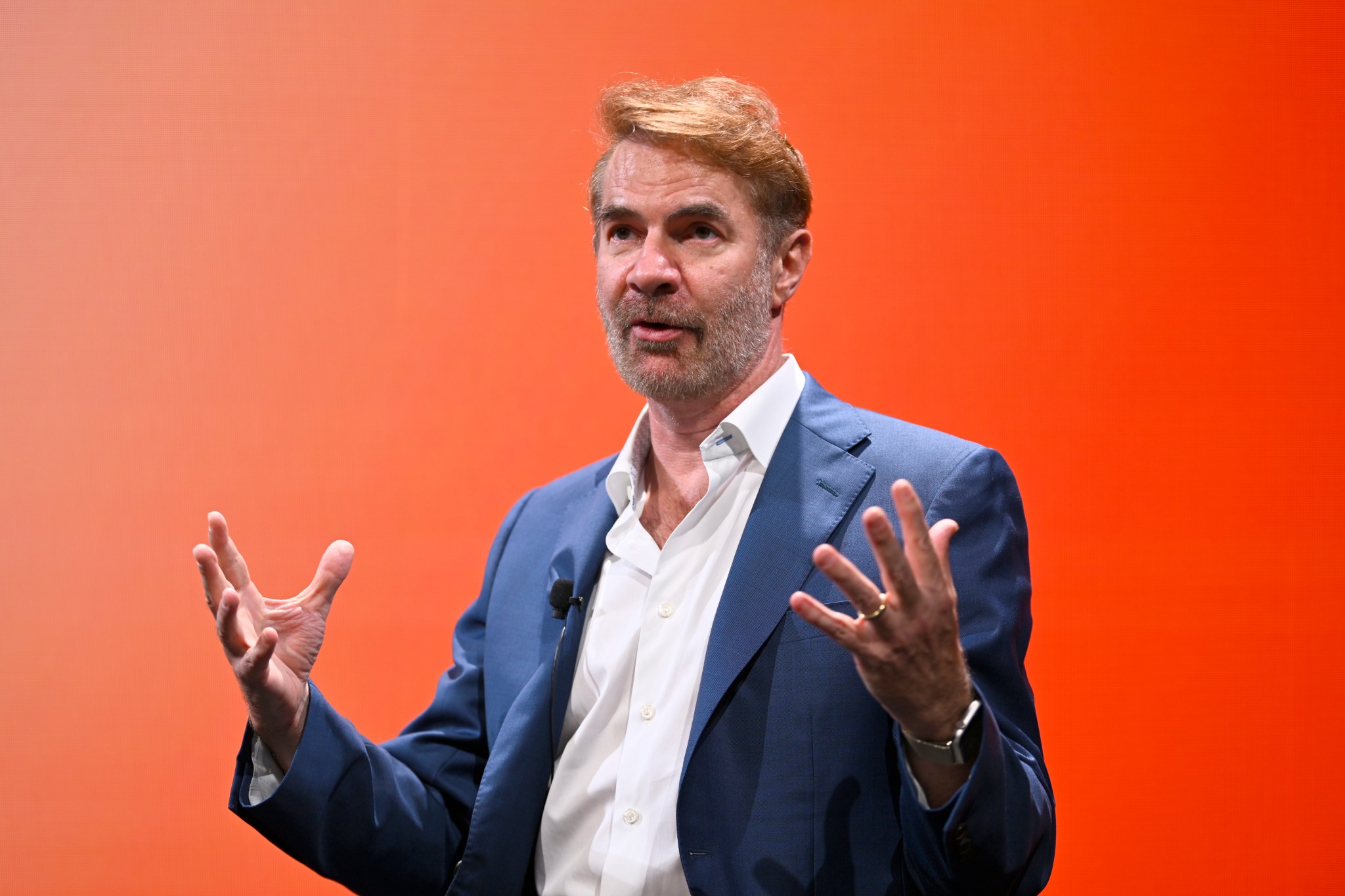
Groundbreaking research by Stanford economist Erik Brynjolfsson and his collaborators is painting an increasingly stark picture of technology's transformative influence on the American job market, particularly for those at the beginning of their careers. A study published last August, which garnered significant attention, highlighted that the proliferation of artificial intelligence (AI) tools was already having a "significant and disproportionate impact" on entry-level white-collar positions within the U.S. labor force. This initial finding primarily affected young professionals aged 22 to 25 in sectors like software engineering and customer service. Now, a new working paper released this February through the National Bureau of Economic Research extends this analysis to blue-collar industries, revealing a direct correlation between increases in the minimum wage and an accelerated adoption of industrial robots on factory floors. Taken together, these two bodies of work delineate a profound reshaping of employment landscapes, where technological advancements exert pressure on workers from both the high-skill and low-skill ends of the spectrum.
For several years, Erik Brynjolfsson has been at the forefront of constructing a comprehensive empirical understanding of how technological innovation is fundamentally altering the American workforce. His earlier research, particularly the August 2025 study, served as a crucial "white-collar warning shot." This initial investigation leveraged an exceptionally robust dataset, comprising high-frequency payroll records from millions of U.S. workers provided by ADP, one of the nation's largest payroll software providers. The findings were compelling: since the widespread integration of generative AI applications commenced in late 2022, employment for early-career individuals in occupations most susceptible to AI exposure experienced a relative decline of 13%. This trend persisted even after accounting for broader disruptions at the firm level. In contrast, more seasoned and older workers within these same fields either maintained stable employment levels or observed growth, suggesting a distinct vulnerability for newer entrants to the professional world.
The latest working paper, co-authored by Brynjolfsson alongside J. Frank Li from the University of British Columbia, Javier Miranda of Germany’s Halle Institute for Economic Research, Robert Seamans from NYU’s Stern School of Business, and other collaborators, shifts focus to the blue-collar segment of the American economy. This research identifies a clear pattern: as minimum wages increase, manufacturing facilities are more rapidly investing in and deploying industrial robots. This suggests that for certain tasks, the rising cost of human labor incentivizes employers to automate, thereby accelerating the displacement of manual jobs. The study, published this February, provides concrete evidence of this dynamic, illustrating how economic policy decisions, such as minimum wage adjustments, can inadvertently hasten the pace of automation in sectors traditionally reliant on human physical labor. This complements the earlier AI-focused research by demonstrating a parallel mechanism of technological displacement impacting a different segment of the workforce.
The combined insights from Brynjolfsson's recent studies paint a comprehensive picture of a labor market undergoing a significant transformation, characterized by a dual pressure on workers. On one hand, advanced AI capabilities are increasingly encroaching upon cognitive, white-collar tasks, particularly those performed by less experienced professionals. On the other, the economic calculus driven by minimum wage adjustments is accelerating the adoption of physical automation in blue-collar manufacturing roles. This 'squeeze from both ends' implies a shrinking space for entry-level human workers across various industries, potentially leading to increased competition for remaining roles and a re-evaluation of educational and vocational training pathways. Experts suggest that these trends necessitate a proactive approach from policymakers to address potential widespread job displacement, consider new social safety nets, and foster continuous learning initiatives to equip the workforce with skills resilient to rapid technological change. The implications extend beyond individual job losses, potentially reshaping economic inequality and the very nature of work itself.
In summary, the ongoing research spearheaded by Erik Brynjolfsson underscores a critical juncture for the American labor market. The findings clearly indicate that technological advancements, specifically AI and industrial robotics, are not merely augmenting human work but are actively displacing it, with a pronounced impact on entry-level positions. While AI challenges white-collar new hires, rising minimum wages are shown to be a catalyst for robot adoption in blue-collar sectors. This dual pressure demands urgent attention from economists, policymakers, and industry leaders to understand and mitigate the potential societal consequences. Future developments to watch include the pace of technological adoption, policy responses to job displacement, and the evolution of educational systems to prepare a workforce for an increasingly automated and AI-driven economy. The trajectory suggests a continued need for adaptability and innovation in both individual career planning and national economic strategy.